




















11050 - Instructions
Keep searches simple. Use keywords, e.g. "leaking", "pump", "broken" or "fit".
Washer lid switch worked sometime, sometime not
First, I'm so excited that this site exists because I knew that the problem was minor and I didn't want to pay the outrageous housecall price of a repairman. I read other customers' experiences on how they fixed the problem and that made it sooo easy! Basically unscrewed the screws on the far left and right on the top panel, folded it down toward front, unscrewed and unplugged the ground wire and replaced the part. Someone else had warned that the lid should be open to remove it and that was a huge time-saver. Thanks so much! The part was broken because of very poor design. The part actually worked fine, but the piece of thin plastic that held the part in place broke. Back to the drawing board Whirlpool.
Parts Used:

-
Jill from Alexandria, LA
-
Difficulty Level:Really Easy
-
Total Repair Time:15 - 30 mins
-
Tools:Screw drivers, Wrench (Adjustable)
23 of 25 people
found this instruction helpful.
Was this instruction helpful to you?
Thank you for voting!
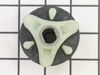
Agitator was locked up
I had a little difficulty at first, trying to remove the back of the unit. I then figured out that the repair was to be made by leaning the washer back and removing it from underneath. That became really easy as the bottom is open.I had to remove one nut and then the agitator from inside, then tilt the machine back, disconnect the two hoses from the pump, remove three bolts and lower the motor/ transmission assembly. Then I had to disconnect the motor from the pump ( with two snap on clips) and remove the broken plastic coupling. The new coupling had a metal insert that seems to make it stronger than the original piece.I then just reversed the procedure to put it together again and it worked fine. The part was shipped immediately and I got it sooner than I expected so I greatly appreciate that. Overall it went well, and by the way, it was my daughters washer and she was happy as well.Thanks, Roger
Parts Used:
-
Roger from Palmyra, IN
-
Difficulty Level:Easy
-
Total Repair Time:30 - 60 mins
-
Tools:Nutdriver, Pliers, Screw drivers, Socket set
24 of 28 people
found this instruction helpful.
Was this instruction helpful to you?
Thank you for voting!
My washer stopped mid-cycle and acted completely dead
I thought the click of the lid switch sounded different so I pulled the top console and tested it for continuity in both positions and found none. When I by-passed the switch the washer started up, so I knew what the problem was. There are four screws involved to remove the console which reveals the lid switch to the left side. There's a single screw for a ground wire but the switch itself is simply snapped in place after disconnecting the wire harness plug (must be done with the lid open btw).
I was lucky to diagnose the problem accurately so that the first thing I suspected turned out to be the problem!
I was lucky to diagnose the problem accurately so that the first thing I suspected turned out to be the problem!
Parts Used:
-
Jeff from Ventura, CA
-
Difficulty Level:Really Easy
-
Total Repair Time:Less than 15 mins
-
Tools:Nutdriver, Screw drivers
22 of 23 people
found this instruction helpful.
Was this instruction helpful to you?
Thank you for voting!
In the spin cycle, drum would'nt spin unless assisted
First off unplug the machine then turned off H/C water supply and removed hoses, laid the machine on its side, removed 3 motor supp. bolts, loosened drum pulled out shaft and clutch assembly was right there. Also replaced coupling while it was apart. And to think, a svce company wanted 179.00 just to walk in my door and diagnose the pblm. Then, parts and labor were extra. Thanks for the help/advice, piece of cake!!!!!!!
Parts Used:

-
ANTHONY from NY, NY
-
Difficulty Level:Really Easy
-
Total Repair Time:30 - 60 mins
-
Tools:Nutdriver, Pliers, Screw drivers, Socket set
22 of 24 people
found this instruction helpful.
Was this instruction helpful to you?
Thank you for voting!
Tub did not center and seal was hanging out of tub
Laid washer on front side and removed top spring, then lifted the tub assembly to replace the right side spring, the one behind the motor was the hardest, I lifted the tub then removed the spring bracket at the tub with pliers and a socket. The top seal all I had to do was take the 4 screws that hold the top on (it takes a long extension) then sit it bak up and I lifted the top up to give me enough room to unsnap the top piece of the tub, cleaned it up put seal in. The parts fit perfitlt and real fast shipping, I bookmarked the site and will buy from again. JIM
Parts Used:


-
James from Nelsonville, OH
-
Difficulty Level:Easy
-
Total Repair Time:1- 2 hours
-
Tools:Pliers, Socket set
22 of 25 people
found this instruction helpful.
Was this instruction helpful to you?
Thank you for voting!
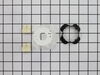
Top half of the agitator was not turning.
I just took the cap of the agitator off and the 3/8" nut was right there. I took it off with a socket, removed the top agitator, slid the assembled kit in , replaced the agitator and cap...that was it !!. These parts priced thrrough Sears were $77.00 plus S&H. Your price for the entire kit- less than $12.00 !! If you don't think that you can do this yourself, have your 7 year old child do it. Took me about 5 minutes. Great price and fast shipping. Thanks
Parts Used:
-
Dennis from Avon, NY
-
Difficulty Level:Really Easy
-
Total Repair Time:Less than 15 mins
-
Tools:Socket set
24 of 31 people
found this instruction helpful.
Was this instruction helpful to you?
Thank you for voting!
Cog stripped causing agitator to not turn
Removed top cap on agitator w/ flathead screwdriver. Removed protective cap over bolt and cog housing shaft. Used 7/16 deep socket w/ extension to remove bolt. Removed housing where stripped cogs were located. Cogs seated loosely in shaft housing no tools required to remove cogs. Replaced cogs in housing, made sure everything was lined correctly. re-inserted housing into shaft. ,screwed bolt, replaced caps and works like new.
Parts Used:

-
Vicki from Houston, TX
-
Difficulty Level:Easy
-
Total Repair Time:Less than 15 mins
-
Tools:Screw drivers, Wrench set
22 of 25 people
found this instruction helpful.
Was this instruction helpful to you?
Thank you for voting!
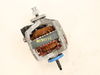
Push start and the motor would hum.
**** Remove power cord from the wall****
As said earlier, you will need to lift the top. Drop the two screws holding the lint shoot and pop the top by sliding a screw driver into the corner on the front. Lif tthe top and rest against the wall behid the unit. remove the two (4 total) screws at the top and bottom of the front door assembly.
Place sometin under the front portion of the drum. At this point you'll see the need to clean everything! :) Slide the belt off and around the drum, (take note of the routing it takes.) Remove the drum by gently pulling it towards you. Set it aside. Clean more. :) (It is nice to have a vacuum handy.) At this point you really need to get to the rear of the system. So I tipped the top back down, and spun it around. Removed the rear panel and cleaned some more. (15 years of a lot of lint in there!) Then you'll need to remove the rear cover on the left side, covering the blower impeller. Get read for a whole lot of debris. Vacuum again. So now you have the motor exposed in the front and rear. You need to remove the impeller by turning that clockwise to loosen it. The trick is holding the shaft in place from the front at the same time. I used an old rag and wedged it into the impeller edges and worked it around until it jamed up. Once the rag was wedged pretty good, I went back to the front spun the shaft. Then you can remove the impeller by hand. Vacuum more. You may get by without having to remove the lint shoot completely, but I did just to clean it up more. I did have to remove two screws in the upper corner near the top of the lint shoot. (Basically the hold the back in place.) I took a few notes at this point about the wiring harness. Used a heavier screw driver (standard), You can push down on the clips that hold the old motor in place. Then work it out the front. Clean more. The new motor is not an exact replacement slightly differnt but the instructions with it were ok. Follow them for the correct wiring. You will need to remove one wire and cut and recrimp a spade lug or two. I used ty-wraps to secure the lines back in place. Look closely at the diagrams and make sure you set the motor down in the same direction the instructions say, if you twist it slightly it will sorta lock in place where it needs to be. Re-install the hold down clips to the front and rear of the motor. Clean up your impeller, and reinstall it too. Then basically reassemble the dryer...tracing your steps backwards. This isn't really difficult, it just takes time and as you can see, you will/should clean as you go !
As said earlier, you will need to lift the top. Drop the two screws holding the lint shoot and pop the top by sliding a screw driver into the corner on the front. Lif tthe top and rest against the wall behid the unit. remove the two (4 total) screws at the top and bottom of the front door assembly.
Place sometin under the front portion of the drum. At this point you'll see the need to clean everything! :) Slide the belt off and around the drum, (take note of the routing it takes.) Remove the drum by gently pulling it towards you. Set it aside. Clean more. :) (It is nice to have a vacuum handy.) At this point you really need to get to the rear of the system. So I tipped the top back down, and spun it around. Removed the rear panel and cleaned some more. (15 years of a lot of lint in there!) Then you'll need to remove the rear cover on the left side, covering the blower impeller. Get read for a whole lot of debris. Vacuum again. So now you have the motor exposed in the front and rear. You need to remove the impeller by turning that clockwise to loosen it. The trick is holding the shaft in place from the front at the same time. I used an old rag and wedged it into the impeller edges and worked it around until it jamed up. Once the rag was wedged pretty good, I went back to the front spun the shaft. Then you can remove the impeller by hand. Vacuum more. You may get by without having to remove the lint shoot completely, but I did just to clean it up more. I did have to remove two screws in the upper corner near the top of the lint shoot. (Basically the hold the back in place.) I took a few notes at this point about the wiring harness. Used a heavier screw driver (standard), You can push down on the clips that hold the old motor in place. Then work it out the front. Clean more. The new motor is not an exact replacement slightly differnt but the instructions with it were ok. Follow them for the correct wiring. You will need to remove one wire and cut and recrimp a spade lug or two. I used ty-wraps to secure the lines back in place. Look closely at the diagrams and make sure you set the motor down in the same direction the instructions say, if you twist it slightly it will sorta lock in place where it needs to be. Re-install the hold down clips to the front and rear of the motor. Clean up your impeller, and reinstall it too. Then basically reassemble the dryer...tracing your steps backwards. This isn't really difficult, it just takes time and as you can see, you will/should clean as you go !
Parts Used:
-
Doug from Manitowoc, WI
-
Difficulty Level:Easy
-
Total Repair Time:1- 2 hours
-
Tools:Nutdriver, Screw drivers, Socket set, Wrench (Adjustable)
22 of 26 people
found this instruction helpful.
Was this instruction helpful to you?
Thank you for voting!
Slipping Spin clutch due to leaking gear-case seal.
1. Unplug the machine.
2. Turn the water off.
3. Disconnect the supply and discharge hoses.
4. Open the cover and remove the cap/cover of the agitator. Use socket wrench to remove the bolt securing the agitator. Pull up on the agitator and remove it.
5. Lay washing machine down on it's front. Remove the inlet and outlet drain hoses from the discharge pump.
6. Remove the 2 "faston" connectors from the motor start capacitor (looks like a D cell flashlight battery). Rock the connectors back and forth and pull gently until they come off. Polarity doesn't matter but to be safe make note of the positions.
7. Press the release clip on the motor connector and pull to disconnect it. Move the wiring harness out of harms way.
8. Remove the 3 bolt securing the motor and transmission assembly to the bottom of the tub. Pull the drive assembly out of the machine and place it on a suitable work surface.
9. Examine the tub brake assembly (still on the bottom of the tub), the clutch assembly (on the motor/transmission assembly you just removed and everything else for wear or damage. Now if you decide to proceed with repair continue with the following steps. If not you're done.
10. Remove the inverted cup washer from the agitator shaft of the assembly. Remove the "U" clip from the shaft and remove the clutch mechanism from the drive assembly. Make a sketch of the position of each of the removed components to aid in reassembly.
11. Now you can see the gear case cover and it's seal. If it is leaking (as mine was) you will need to replace it.
12. With the assembly level remove the bolts around the cover and remove the cover. Place the cover on a flat surface and with a screwdriver or punch drive the old seal out of the cover from the outside in.
13. Clean the seal area and check for damage. Clean the cover and transmission housing surfaces of old gasket material. There is a factory sealant available for reassembly but I chose an automotive RTF @ $4 vs $24 and it worked OK.
14. Installing the seal requires some tools and experience to done successfully. The right size sockets or piece of pipe, coupled with an arbor press or vise will get the seal in. The cover is delicate so if in doubt find a machine shop.
15. Support the outside of the cover on a hard surface and with a socket or short pipe length, PRESS (don't hammer) the new seal into the gear case cover.
16. Make sure there is lubricant in the gear case. Not overflowing but maybe 1/2 full when view with cover off on a level surface.
17. Apply some RTV sealant to trhe cover and install it. Tighten bolts evenly. Light torque (1-2 ft-lb).
18. Reassemble washing machine and test for leaks and proper operation.
2. Turn the water off.
3. Disconnect the supply and discharge hoses.
4. Open the cover and remove the cap/cover of the agitator. Use socket wrench to remove the bolt securing the agitator. Pull up on the agitator and remove it.
5. Lay washing machine down on it's front. Remove the inlet and outlet drain hoses from the discharge pump.
6. Remove the 2 "faston" connectors from the motor start capacitor (looks like a D cell flashlight battery). Rock the connectors back and forth and pull gently until they come off. Polarity doesn't matter but to be safe make note of the positions.
7. Press the release clip on the motor connector and pull to disconnect it. Move the wiring harness out of harms way.
8. Remove the 3 bolt securing the motor and transmission assembly to the bottom of the tub. Pull the drive assembly out of the machine and place it on a suitable work surface.
9. Examine the tub brake assembly (still on the bottom of the tub), the clutch assembly (on the motor/transmission assembly you just removed and everything else for wear or damage. Now if you decide to proceed with repair continue with the following steps. If not you're done.
10. Remove the inverted cup washer from the agitator shaft of the assembly. Remove the "U" clip from the shaft and remove the clutch mechanism from the drive assembly. Make a sketch of the position of each of the removed components to aid in reassembly.
11. Now you can see the gear case cover and it's seal. If it is leaking (as mine was) you will need to replace it.
12. With the assembly level remove the bolts around the cover and remove the cover. Place the cover on a flat surface and with a screwdriver or punch drive the old seal out of the cover from the outside in.
13. Clean the seal area and check for damage. Clean the cover and transmission housing surfaces of old gasket material. There is a factory sealant available for reassembly but I chose an automotive RTF @ $4 vs $24 and it worked OK.
14. Installing the seal requires some tools and experience to done successfully. The right size sockets or piece of pipe, coupled with an arbor press or vise will get the seal in. The cover is delicate so if in doubt find a machine shop.
15. Support the outside of the cover on a hard surface and with a socket or short pipe length, PRESS (don't hammer) the new seal into the gear case cover.
16. Make sure there is lubricant in the gear case. Not overflowing but maybe 1/2 full when view with cover off on a level surface.
17. Apply some RTV sealant to trhe cover and install it. Tighten bolts evenly. Light torque (1-2 ft-lb).
18. Reassemble washing machine and test for leaks and proper operation.
Parts Used:

-
Thomas from Pascoag, RI
-
Difficulty Level:A Bit Difficult
-
Total Repair Time:1- 2 hours
-
Tools:Pliers, Screw drivers, Socket set
21 of 23 people
found this instruction helpful.
Was this instruction helpful to you?
Thank you for voting!
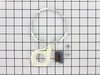
washer wouldnt agitate or spinn but would drain?
So i replaced the above parts pulled gearbox put new oil in all looked good but when i tryed it filled started spinning for a few sec.then quit again?was makeing a clicking sound so i layed on the floor and the drive coupling was spinning so i took the water pump off and it started agitating and spinning. found about a 6 in.thin piece of wire in it, dont know where it came from but installed a new pump and it works like a new one !!!
Parts Used:
-
lester from Belleville, WI
-
Difficulty Level:A Bit Difficult
-
Total Repair Time:30 - 60 mins
-
Tools:Nutdriver, Pliers, Screw drivers
20 of 20 people
found this instruction helpful.
Was this instruction helpful to you?
Thank you for voting!
tub off center, rubbing on outer tub in spin
turned the washer on it's back and shoved the tub to the side to release pressure on a spring ,pulled it loose and installed new one. this worked for the back two then turned washer on it;s face and repeted the process on the front spring.
Washer works great now.
Washer works great now.
Parts Used:
-
Charles from Rose Bud, AR
-
Difficulty Level:A Bit Difficult
-
Total Repair Time:1- 2 hours
-
Tools:Pliers
21 of 24 people
found this instruction helpful.
Was this instruction helpful to you?
Thank you for voting!
The support sprint had broke which left the basin unleveled so water would leak behind the basin and onto the floor
I replaced the broken support spring and the problem was fixed
Parts Used:
-
Michael from Newark, DE
-
Difficulty Level:Really Easy
-
Total Repair Time:Less than 15 mins
36 of 69 people
found this instruction helpful.
Was this instruction helpful to you?
Thank you for voting!
washer not agitating
This was a learning experience but it appears to have worked out in the end. Our 3 1/2 year old washer was not agitating much and I attributed that to a loose bolt. I would tighten the bolt and it would work ok for a load or two and then stop agitating. I would find that the bolt was loose again. I took a number of steps to try to get the bolt to stay on tight - threadlock, a new bolt, more threadlock, and applying progressively more force on the bolt, with no better results. Yet the repair guys on you tube were saying the bolt only needs to be snug, not super tight - something was amiss. I even went so far as to secure the basket with a rope so I could use two hands on the socket wrench (please don't do this). But when I tried the washer again there was no agitation at all! I observed the agitation output in manual test mode and the bolt was turning in lock step with the shaft but the agitator wasn't turning at all. That's when I suspected that the problem was actually a worn lower agitator. Trouble was that now I couldn't seem to get the bolt off. Turning the wrench caused the shaft itself to rotate so I couldn't loosen the bolt from the shaft. I thought I broke the washer. Then I considered that maybe the shaft was rotating because the washer was in an agitation mode when I turned it off. I went back into manual test mode, made the washer spin, then turned it off. Fortunately, this worked. The shaft was again stationary and, albeit with great difficulty, I got the bolt off.
I removed the agitator, and as a pro would have figured out long before, the ridges inside the top of the lower agitator were almost completely worn down. I realized then that the contact between these ridges and the splines on the shaft is what is supposed to cause the lower agitator to move with the shaft. The purpose of the bolt is just to keep the agitator in the correct position and from coming off the shaft. I had been trying to compensate for the worn agitator ridges by over-tightening the bolt, creating some contact at the top of the shaft. This would work for a little while, then the agitator would start slipping, and the slipping agitator was acting just like a wrench loosening the bolt (until my stupid rope trick, that is.)
So I ordered a new agitator (only the lower agitator was bad, but the price of an entire agitator isn't a lot more than just the lower part and I was reading that the upper agitator parts will wear over time) and another new bolt (because my repeated attempts to over-tighten the first one I ordered had split the rubber gasket apart and worn the bolt head).
The new agitator fit snugly on the splines of the shaft so I sensed no need to use excessive force on the bolt. Just an easy one-handed snug tightening with the socket wrench, using the other hand to hold the lower agitator. The washer is now working again.
I removed the agitator, and as a pro would have figured out long before, the ridges inside the top of the lower agitator were almost completely worn down. I realized then that the contact between these ridges and the splines on the shaft is what is supposed to cause the lower agitator to move with the shaft. The purpose of the bolt is just to keep the agitator in the correct position and from coming off the shaft. I had been trying to compensate for the worn agitator ridges by over-tightening the bolt, creating some contact at the top of the shaft. This would work for a little while, then the agitator would start slipping, and the slipping agitator was acting just like a wrench loosening the bolt (until my stupid rope trick, that is.)
So I ordered a new agitator (only the lower agitator was bad, but the price of an entire agitator isn't a lot more than just the lower part and I was reading that the upper agitator parts will wear over time) and another new bolt (because my repeated attempts to over-tighten the first one I ordered had split the rubber gasket apart and worn the bolt head).
The new agitator fit snugly on the splines of the shaft so I sensed no need to use excessive force on the bolt. Just an easy one-handed snug tightening with the socket wrench, using the other hand to hold the lower agitator. The washer is now working again.
Parts Used:
-
David from EAST AMHERST, NY
-
Difficulty Level:Easy
-
Total Repair Time:15 - 30 mins
-
Tools:Socket set
20 of 21 people
found this instruction helpful.
Was this instruction helpful to you?
Thank you for voting!
PLASTIC intake froze causing a cracked in the hose thread input connection
Removed the back washer panel,unscrew the control/dial panel section from main washer body, remove part. Insert new part and put everything back in place. Really quite simple. DONE.
Parts Used:
-
Kathleen from Live Oak, FL
-
Difficulty Level:Easy
-
Total Repair Time:15 - 30 mins
-
Tools:Screw drivers, Wrench (Adjustable)
32 of 57 people
found this instruction helpful.
Was this instruction helpful to you?
Thank you for voting!
stopped working only filled with water.
Fast simple and supper easy! Please do not waist your time or money on repairmen that rip you off. You are garunteed all the way or your money back from Parts Select. Go to your model number than read a few stories of others to better pin point your problem then order part and your item will ship fast I had my part on the 2nd day of the order. Do not be fooled you can do it easily! I have order twice and both items went smoothly and took less then 10 minutes to put in. Thanks Parts Select for making it possible for the little guys and supporting them and not the big rip off scammers. I will be back when needed. May you continue in your good deed! C.S.
Parts Used:
-
Christa J from ElDorado Springs, MO
-
Difficulty Level:Really Easy
-
Total Repair Time:Less than 15 mins
-
Tools:Screw drivers
20 of 24 people
found this instruction helpful.
Was this instruction helpful to you?
Thank you for voting!