




















MVW4505MW1 Maytag Washer - Instructions
Keep searches simple. Use keywords, e.g. "leaking", "pump", "broken" or "fit".
Noise, grinding sounds. Wash tub stopped turning but motor and cycles kept functioning. Process of elimination, must be the clutch assembly.
Easy, just followed the repair video. Recommend also ordering the drive belt. Bought one locally during my repair.
Parts Used:

-
David from BLOOMINGTON, IN
-
Difficulty Level:Easy
-
Total Repair Time:30 - 60 mins
-
Tools:Screw drivers, Socket set
67 of 100 people
found this instruction helpful.
Was this instruction helpful to you?
Thank you for voting!
Washer wobble during spin cycle.
Watched a video to get a general idea. Moved washer to garage. Raised lid, supported with s-hook and light chain. Front springs were easy, except no hole for the rod to hang in so used chain and small screwdriver through mounting hole. Back springs were not as easy. Finally removed the back panel to get to the rods. Bingo, much easier and only took 5 min to remove the back panel. reassemble and she works like a charm. Suggest to find a video reflecting your particular brand and model as all are similar but uniquely different. Easy project though.
Parts Used:

-
Jesusa from JEFFERSON CTY, MO
-
Difficulty Level:Easy
-
Total Repair Time:1- 2 hours
-
Tools:Nutdriver, Screw drivers
27 of 30 people
found this instruction helpful.
Was this instruction helpful to you?
Thank you for voting!
Replacing shock absorbers on Maytag washer
Used video provided,but while reinstalling shocks pull the shock absorbers thru holes in washer deck using a stiff wire or a metal coat hanger will also work. This made installation so much easier!
Parts Used:
-
William from JAX BCH, FL
-
Difficulty Level:Really Easy
-
Total Repair Time:30 - 60 mins
-
Tools:Nutdriver, Screw drivers
23 of 25 people
found this instruction helpful.
Was this instruction helpful to you?
Thank you for voting!
Screeching noise when starting the washing cycle. Especially with heavy loads.
The belt in this model is underneath the washing machine. Disconnect water lines and power cords, set up the drain hose in a bucket to avoid water spilling on the floor, tip the washing machine on its back, remove two bolt screws holding the plastic covering the belt, remove the old belt, and install the new one.
Parts Used:

-
Armando from UNION CITY, CA
-
Difficulty Level:Really Easy
-
Total Repair Time:Less than 15 mins
-
Tools:Socket set
15 of 19 people
found this instruction helpful.
Was this instruction helpful to you?
Thank you for voting!
Making loud noises.
The video you sent me was very helpful told me the exact tools I needed and how to do it.
Thank you
Thank you
Parts Used:
-
Roy from BROOKLYN, NY
-
Difficulty Level:Really Easy
-
Total Repair Time:30 - 60 mins
-
Tools:Nutdriver, Pliers, Screw drivers, Socket set
16 of 24 people
found this instruction helpful.
Was this instruction helpful to you?
Thank you for voting!
On spin cycle the washer would bounce all over the was room
-
Brian from CONROE, TX
-
Difficulty Level:Really Easy
-
Total Repair Time:30 - 60 mins
-
Tools:Nutdriver, Pliers
12 of 14 people
found this instruction helpful.
Was this instruction helpful to you?
Thank you for voting!
Worn out splines connecting transmission driveshaft to agitator.
DIY'er working on a Maytag Centennial type washing machine should be aware that replacing a a transmission or agitator due to worn out splines is only half a job done well. I originally replaced my transmission due to worn splines, only to discover later that the worn agitator splines caused the new transmission splines to wear out at an accelerated rate. Transmission and Agitator should be replaced together, along with a new Agitator mounting bolt. There are plenty of video's online of how to do this repair so I won't get into that here. Just wanted to drop the above sage advice. Transmissions for these washers aren't cheap.
Parts Used:

-
Thomas from MILLBURY, OH
-
Difficulty Level:Easy
-
Total Repair Time:30 - 60 mins
-
Tools:Nutdriver, Pliers, Screw drivers, Socket set
12 of 14 people
found this instruction helpful.
Was this instruction helpful to you?
Thank you for voting!
washer loud banging and shaking on spin cycle
I couldn't have done the job without the video or a helper. Replacing the first rod was a struggle but once we figured it out, the rest were easy.
Parts Used:
-
Robert from EAST HAMPTON, CT
-
Difficulty Level:A Bit Difficult
-
Total Repair Time:30 - 60 mins
-
Tools:Screw drivers
11 of 13 people
found this instruction helpful.
Was this instruction helpful to you?
Thank you for voting!
Shaking during spin cycle
Watched your videos. Knew I didn’t have the strength to do it myself. Contacted my son, he came by and using your instructions( you made me look very knowledgeable) it was done in short order!
Parts Used:
-
Karen from Merritt Island, FL
-
Difficulty Level:Easy
-
Total Repair Time:15 - 30 mins
-
Tools:Screw drivers
10 of 11 people
found this instruction helpful.
Was this instruction helpful to you?
Thank you for voting!
The main knob insert snapped.
Nothing to it. Just remember to put the insert in the knob, NOT on the selector stem. Line up the flat part of the insert with the flat part of the stem and push the knob in place.
Don NOT ram it on the selector stem. When it's seated, don't push any more. That's all there is to it. It works. If the pointer on the knob indicates the selector is lined up correctly, but it isn't, the problem is the selector, not the knob.
Don NOT ram it on the selector stem. When it's seated, don't push any more. That's all there is to it. It works. If the pointer on the knob indicates the selector is lined up correctly, but it isn't, the problem is the selector, not the knob.
Parts Used:

-
Larry from HICKORY, NC
-
Difficulty Level:Very Easy
-
Total Repair Time:Less than 15 mins
11 of 16 people
found this instruction helpful.
Was this instruction helpful to you?
Thank you for voting!
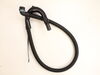
replaced drain hose that was missing
slipped the new drain hose on and with locking plyers slipped the wire clap in place after three trys
Parts Used:
-
Delmar from EAST TROY, WI
-
Difficulty Level:Really Easy
-
Total Repair Time:30 - 60 mins
-
Tools:Pliers
12 of 20 people
found this instruction helpful.
Was this instruction helpful to you?
Thank you for voting!
Pulling on the spring to lock in the cap
Took the top off an then the tub top an installed the spring suspenders . If you dont take the tub top off it will be very difficult to install .
Parts Used:
-
William from Four Oaks, NC
-
Difficulty Level:Easy
-
Total Repair Time:30 - 60 mins
-
Tools:Nutdriver, Pliers
8 of 8 people
found this instruction helpful.
Was this instruction helpful to you?
Thank you for voting!
The wash cycle made a loud grinding noise when it went from filling to wash.
I put the dial to drain and and pressed the pause button for 3 seconds and it drained.
Unplugged the washer from the electrical outlet .
Shut the hot and cold water off. Disconnected and drained them.
Placed the washer on a soft mat on front side exposing the back and bottom of the machine.
Unscrew the metal cover with Philips head screw driver.
Disconnect the drain hose to a bucket or small dish tub .
Remove the belt cover with 5/8 ratchet or wrench.
Using a ratchet or wrench remove the one bolt holding the clutch in place .
Remove the two Philips head screws from the shift mechanism ( looks like clock timer,my memory is failing me right now sorry! ) .
Pull down on bottom gear after removing nut.
Push in and pull down with a flat head screwdriver on the tabs holding the collar in place above the top gear .The collar and gear and spring should come apart.
Install new parts in the same order . Reassemble make sure to use Locktite 242 on the bottom nut holding the gear.
Install belt , belt guard , cover drain hose . Stand machine back up , reconnect all hoses tightly plug machine into electrical outlet and start. Put a smile on your face because you did a great job and saved yourself some money!
Unplugged the washer from the electrical outlet .
Shut the hot and cold water off. Disconnected and drained them.
Placed the washer on a soft mat on front side exposing the back and bottom of the machine.
Unscrew the metal cover with Philips head screw driver.
Disconnect the drain hose to a bucket or small dish tub .
Remove the belt cover with 5/8 ratchet or wrench.
Using a ratchet or wrench remove the one bolt holding the clutch in place .
Remove the two Philips head screws from the shift mechanism ( looks like clock timer,my memory is failing me right now sorry! ) .
Pull down on bottom gear after removing nut.
Push in and pull down with a flat head screwdriver on the tabs holding the collar in place above the top gear .The collar and gear and spring should come apart.
Install new parts in the same order . Reassemble make sure to use Locktite 242 on the bottom nut holding the gear.
Install belt , belt guard , cover drain hose . Stand machine back up , reconnect all hoses tightly plug machine into electrical outlet and start. Put a smile on your face because you did a great job and saved yourself some money!
Parts Used:
-
Angelo from PORTLAND, ME
-
Difficulty Level:Really Easy
-
Total Repair Time:15 - 30 mins
-
Tools:Screw drivers, Socket set, Wrench (Adjustable)
6 of 6 people
found this instruction helpful.
Was this instruction helpful to you?
Thank you for voting!
The tub was horribly out of balance due to bad suspension rods.
I checked on-line to diagnose the problem, then I researched the parts needed to fix it. I also researched and watched a video on YouTube. Once I removed one of the old suspension rods I simply used the hooked end to grab the hooked end of the new rod and used a vice grip to pull it into place.
Parts Used:
-
Tom from Albert Lea, MN
-
Difficulty Level:Easy
-
Total Repair Time:30 - 60 mins
-
Tools:Nutdriver, Screw drivers
5 of 5 people
found this instruction helpful.
Was this instruction helpful to you?
Thank you for voting!
When the washer goes into a spin cycle, I would hear an intermittent loud clattering noise. I think the clutch teeth above (the cup part that is spring loaded) and the belted pulley's teeth below are not fully seating on each other during the spin cycle.
W10721967 Splutch Cam Kit
Assuming the pulley nut was properly tightened at the factory. I think this problem occurs because of ever-so-slight rounding of the splutch cam teeth from the actuator engaging and disengaging over whatever time frame there is before a clattering noise develops.
When I took off the 13mm nut using the adjustable strap tool, it felt tight to me...Was it put on as tight as it should have been at the factory? Who knows. I don't have the torque specification of this nut on that plastic pulley.
Watch the videos to remove and replace the belt cover and belt, actuator and splutch cam kit.
Pay particular attention to tightening up the nut. I put the pulley on and hand-tightened the nut. I used the adjustable strap tool and before I tightened everything, I pushed up on the pulley to press against the spring pressure in order to mesh the teeth together. After the nut was tight, I repositioned the strap tool and gave it another go, further tightening it. You see earlier that day, I only tightened it up once because I thought it was good and tight. I put everything back and within a half-hour it was clattering again and I could loosen the nut I thought was tight by hand! I fooled myself. That's why I did it twice, and don't be afraid to give it a good second tightening effort. Two weeks now and the wife is currently very happy.
Assuming the pulley nut was properly tightened at the factory. I think this problem occurs because of ever-so-slight rounding of the splutch cam teeth from the actuator engaging and disengaging over whatever time frame there is before a clattering noise develops.
When I took off the 13mm nut using the adjustable strap tool, it felt tight to me...Was it put on as tight as it should have been at the factory? Who knows. I don't have the torque specification of this nut on that plastic pulley.
Watch the videos to remove and replace the belt cover and belt, actuator and splutch cam kit.
Pay particular attention to tightening up the nut. I put the pulley on and hand-tightened the nut. I used the adjustable strap tool and before I tightened everything, I pushed up on the pulley to press against the spring pressure in order to mesh the teeth together. After the nut was tight, I repositioned the strap tool and gave it another go, further tightening it. You see earlier that day, I only tightened it up once because I thought it was good and tight. I put everything back and within a half-hour it was clattering again and I could loosen the nut I thought was tight by hand! I fooled myself. That's why I did it twice, and don't be afraid to give it a good second tightening effort. Two weeks now and the wife is currently very happy.
Parts Used:
-
TERRY from WAUKEE, IA
-
Difficulty Level:Easy
-
Total Repair Time:15 - 30 mins
-
Tools:Nutdriver, Socket set
8 of 14 people
found this instruction helpful.
Was this instruction helpful to you?
Thank you for voting!