



















DE23CD Maytag Dryer - Instructions
Keep searches simple. Use keywords, e.g. "leaking", "pump", "broken" or "fit".
After a period of the dryer not being used, the idler pulley wheel froze up on the shaft of the idler pulley arm.
This should have been a simple repair, but turned out to be time consuming and moderately difficult. I hope these instructions will help anyone who encounters the problems described here.
After a period of the dryer not being used, the idler pulley wheel froze on the shaft of the idler pulley arm, so I needed to replace both parts. After mounting the new wheel and two washers on the new arm and securing with a retaining ring, I went to install this assembly by going in through the small access panel at the rear of the dryer. I slid the belt off the old idler pulley wheel and unhooked the spring from the idler pulley arm; the arm was mounted on a sleeve fastened to the motor bracket by one screw. All that should have been necessary was to back out that screw and replace the old idler pulley assembly with the new one.
That is where the trouble started. Backing out the screw with a socket driver, I found it would go a few turns, then start to bind. I tried turning it in and out to get the threads to engage, but it kept binding. Eventually I gave the screw a hard turn, and then it would turn freely but not move in or out.
Looking on the internet for advice, I found a video that asserts for another model Maytag dryer using the same type of mounting for the idler arm, that there is a design flaw. You can find the video by searching for “Maytag dryer idler pulley defect”. According to the video, the sheet metal screw used to mount the idler pulley arm can gradually loosen due to the pressure and vibration, and begins to “waggle” which eventually damages the threads. I believe this is what happened to my dryer. The video suggests replacing the sheet metal screw with a machine screw and nut for a more durable union.
So now I understood how the screw could be stripped just sitting in the dryer, but that didn’t help me get the screw out. Working through the rear access panel, I tried pulling on the screw head with several types of pliers, pushing the point from behind with a piece of wood while turning the head with a socket driver; eventually I was able to use a pry bar under the screw head and sleeve to apply pressure while turning the head, and with that method the screw backed out. With the screw removed, it could be seen that the threads in the middle part of the thread length were almost completely worn away.
The screw sleeve got somewhat deformed in this process so I ordered a new one, along with an exact replacement sheet metal screw, hoping the threads in the hole were still intact. With the old idler pulley arm now removed, I could transfer the old idler bracket spacer to the new idler pulley arm. When the ordered parts arrived and I tried to mount the idler pulley arm, the new screw would go in only a couple of turns before binding. Rather than risk winding up in the same situation by forcing the screw, I decided to use a machine screw and nut instead.
The original sheet metal screw was a #10. A machine screw the same size would not fit through the hole, and I could not fit my drill into the dryer cabinet in a position to enlarge the hole, so I used a #8 machine screw with a nut and lock washer. First I put some grease on the contact areas of the screw sleeve and idler bracket spacer, then inserted the machine screw through the hole and put the lock washer and nut on the other side of the mounting. The space around the nut is very limited, and most of my tools were too large to hold the nut while the screw was tightened. It was too small for a socket or adjustable wrench, and the clearance from the exhaust duct was too small for the handles of most tools. Eventually, I found a needle nose pliers with short handles that did the job. A thin open end wrench might also work. Then I reconnected the spring and belt to the idler pulley assembly, and closed the access panel. So far the dryer works, but if the #8 screw turns out to be not strong enough, I could get an extension for my drill and enlarge the hole to fit a #10 machine screw and nut.
Looking back on the job, the most difficult part of this repair was removing the damaged screw. This and several other steps might have been a lot easier if I had removed the motor bracket (where the idler pulley arm is mounted) from the dryer and worked outside the cabinet. Part Select has an excellent video “Replacing the Drive Motor” that shows how to do this. It would be a lot of disassembly work, but for someone with good assembly skills could be easier in the long run.
Hopefully most folks out there who replace the idler pulley arm on a dryer will find an easier situation than I did. But for any who have to deal with a stripped mounting screw, I hope this summary will help you resolve it.
After a period of the dryer not being used, the idler pulley wheel froze on the shaft of the idler pulley arm, so I needed to replace both parts. After mounting the new wheel and two washers on the new arm and securing with a retaining ring, I went to install this assembly by going in through the small access panel at the rear of the dryer. I slid the belt off the old idler pulley wheel and unhooked the spring from the idler pulley arm; the arm was mounted on a sleeve fastened to the motor bracket by one screw. All that should have been necessary was to back out that screw and replace the old idler pulley assembly with the new one.
That is where the trouble started. Backing out the screw with a socket driver, I found it would go a few turns, then start to bind. I tried turning it in and out to get the threads to engage, but it kept binding. Eventually I gave the screw a hard turn, and then it would turn freely but not move in or out.
Looking on the internet for advice, I found a video that asserts for another model Maytag dryer using the same type of mounting for the idler arm, that there is a design flaw. You can find the video by searching for “Maytag dryer idler pulley defect”. According to the video, the sheet metal screw used to mount the idler pulley arm can gradually loosen due to the pressure and vibration, and begins to “waggle” which eventually damages the threads. I believe this is what happened to my dryer. The video suggests replacing the sheet metal screw with a machine screw and nut for a more durable union.
So now I understood how the screw could be stripped just sitting in the dryer, but that didn’t help me get the screw out. Working through the rear access panel, I tried pulling on the screw head with several types of pliers, pushing the point from behind with a piece of wood while turning the head with a socket driver; eventually I was able to use a pry bar under the screw head and sleeve to apply pressure while turning the head, and with that method the screw backed out. With the screw removed, it could be seen that the threads in the middle part of the thread length were almost completely worn away.
The screw sleeve got somewhat deformed in this process so I ordered a new one, along with an exact replacement sheet metal screw, hoping the threads in the hole were still intact. With the old idler pulley arm now removed, I could transfer the old idler bracket spacer to the new idler pulley arm. When the ordered parts arrived and I tried to mount the idler pulley arm, the new screw would go in only a couple of turns before binding. Rather than risk winding up in the same situation by forcing the screw, I decided to use a machine screw and nut instead.
The original sheet metal screw was a #10. A machine screw the same size would not fit through the hole, and I could not fit my drill into the dryer cabinet in a position to enlarge the hole, so I used a #8 machine screw with a nut and lock washer. First I put some grease on the contact areas of the screw sleeve and idler bracket spacer, then inserted the machine screw through the hole and put the lock washer and nut on the other side of the mounting. The space around the nut is very limited, and most of my tools were too large to hold the nut while the screw was tightened. It was too small for a socket or adjustable wrench, and the clearance from the exhaust duct was too small for the handles of most tools. Eventually, I found a needle nose pliers with short handles that did the job. A thin open end wrench might also work. Then I reconnected the spring and belt to the idler pulley assembly, and closed the access panel. So far the dryer works, but if the #8 screw turns out to be not strong enough, I could get an extension for my drill and enlarge the hole to fit a #10 machine screw and nut.
Looking back on the job, the most difficult part of this repair was removing the damaged screw. This and several other steps might have been a lot easier if I had removed the motor bracket (where the idler pulley arm is mounted) from the dryer and worked outside the cabinet. Part Select has an excellent video “Replacing the Drive Motor” that shows how to do this. It would be a lot of disassembly work, but for someone with good assembly skills could be easier in the long run.
Hopefully most folks out there who replace the idler pulley arm on a dryer will find an easier situation than I did. But for any who have to deal with a stripped mounting screw, I hope this summary will help you resolve it.
Parts Used:

-
Alan from BETHESDA, MD
-
Difficulty Level:A Bit Difficult
-
Total Repair Time:More than 2 hours
-
Tools:Nutdriver, Pliers, Screw drivers, Socket set
3 of 3 people
found this instruction helpful.
Was this instruction helpful to you?
Thank you for voting!
Drum would not turn, drive motor humming loudly and unable to turn drum/blower wheel
The repair video is terrific and many others here have thoroughly described the steps involved to replace the drive motor.
The biggest hurdle for me was that the motor came with a new switch that required a different wiring configuration. No wiring diagram was included. Several others had posted questions about wiring in the Q&A and unfortunately PartSelect kept copy/pasting the same confusing and incomplete answer over and over:
"The Yellow goes to T6, Red to T5 Black to T2, blue to T1 and the white you will remove the blue jumper lead between the switch terminal 4 and 1/4" protector tab, connect the grey harness lead to the 1/4" protector tab."
Reading that doesn't tell me what to do with the white wire, doesn't address that my blue and white wires were crimped into the same connector from the factory, doesn't address that I had 2 black wires crimped into the same connector from the factory, and doesn't address a factory ground wire that connected the frame of the OEM motor to the bracket that the motor sits in.
With all the other excellent info supplied by PartSelect, this was surprising and frustrating. The sales dept ignored an emailed question from me, and the Q&A section didn't allow me to post a question.
Searching the internet, I found a wiring diagram on aceappliancesd dot com that addressed my dryer's OEM wiring configuration. Here's what I ended up with:
TI - Blue and white, crimped together into a single connector
T2 - Black & black, crimped together into a single connector (the wiring diagram I found said this should be black & brown, but they both look black to me)
T5 - Red
T6 - Yellow
1/4" Thermal protector tab - Grey (from the harness)
The new motor switch had a grounding tab with nothing connected to it. I removed the screw holding that tab into the switch and connected the (also grey) OEM short ground wire from the motor frame to the mounting bracket.
I had to cut 2 of the pieces of tape holding the OEM wiring harness together in order to get enough slack for all the connections to reach. If you do this too, make sure all the wires are still clear of the moving parts and the hot bits. You may need to retape the wires together at a different location to keep things tidy.
I also laid the belt over the drum and put 2 pieces of tape over it to hold it in place while I got the drum positioned, then I reached through the back access panel to loop the belt around the motor pulley and idler. Once that's done, just reach over the top of the drum and peel the tape off. I found that much easier than trying to loop the belt by reaching through and past the drum.
The biggest hurdle for me was that the motor came with a new switch that required a different wiring configuration. No wiring diagram was included. Several others had posted questions about wiring in the Q&A and unfortunately PartSelect kept copy/pasting the same confusing and incomplete answer over and over:
"The Yellow goes to T6, Red to T5 Black to T2, blue to T1 and the white you will remove the blue jumper lead between the switch terminal 4 and 1/4" protector tab, connect the grey harness lead to the 1/4" protector tab."
Reading that doesn't tell me what to do with the white wire, doesn't address that my blue and white wires were crimped into the same connector from the factory, doesn't address that I had 2 black wires crimped into the same connector from the factory, and doesn't address a factory ground wire that connected the frame of the OEM motor to the bracket that the motor sits in.
With all the other excellent info supplied by PartSelect, this was surprising and frustrating. The sales dept ignored an emailed question from me, and the Q&A section didn't allow me to post a question.
Searching the internet, I found a wiring diagram on aceappliancesd dot com that addressed my dryer's OEM wiring configuration. Here's what I ended up with:
TI - Blue and white, crimped together into a single connector
T2 - Black & black, crimped together into a single connector (the wiring diagram I found said this should be black & brown, but they both look black to me)
T5 - Red
T6 - Yellow
1/4" Thermal protector tab - Grey (from the harness)
The new motor switch had a grounding tab with nothing connected to it. I removed the screw holding that tab into the switch and connected the (also grey) OEM short ground wire from the motor frame to the mounting bracket.
I had to cut 2 of the pieces of tape holding the OEM wiring harness together in order to get enough slack for all the connections to reach. If you do this too, make sure all the wires are still clear of the moving parts and the hot bits. You may need to retape the wires together at a different location to keep things tidy.
I also laid the belt over the drum and put 2 pieces of tape over it to hold it in place while I got the drum positioned, then I reached through the back access panel to loop the belt around the motor pulley and idler. Once that's done, just reach over the top of the drum and peel the tape off. I found that much easier than trying to loop the belt by reaching through and past the drum.
Parts Used:
-
Peter from REDONDO BEACH, CA
-
Difficulty Level:A Bit Difficult
-
Total Repair Time:1- 2 hours
-
Tools:Pliers, Screw drivers, Socket set
3 of 3 people
found this instruction helpful.
Was this instruction helpful to you?
Thank you for voting!
drum support roller had come apst from bearing and was making a squealing noise when dryer was running
first i removed the screws holding back cover. Then I remeved nut from tumbler roller shaft. Then I slid shaft from roller .I removed roller then replaced with new one. Installed new shaft then replaced back cover. recieved parts from parts direct very promptly & they were the right parts the first time thanks very much
Parts Used:
-
David from Calvert City, KY
-
Difficulty Level:Really Easy
-
Total Repair Time:15 - 30 mins
-
Tools:Nutdriver, Pliers, Wrench set
3 of 3 people
found this instruction helpful.
Was this instruction helpful to you?
Thank you for voting!
Broken Tumbler & Motor Belt
Disassembled per instructions. Additional time used to clean inside unit.. Its much easier to install belt on motor pulley and tension pulley ( Roller) from rear access panel. Also ensures proper belt alignment on all items.
Parts Used:
-
John from ELBRIDGE, NY
-
Difficulty Level:Really Easy
-
Total Repair Time:1- 2 hours
-
Tools:Nutdriver, Screw drivers
3 of 3 people
found this instruction helpful.
Was this instruction helpful to you?
Thank you for voting!
Much noise when drying clothes.
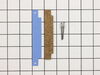
Installation of drum support kit was difficult because my snap ring pliers would not fit in the snap ring holes. Had to use pliers and screw driver to get them off and to put them back on. That took much patience and time. Installation of front guides was a bit difficult because the rivets were loose and turned when trying to drill them out. Also they were bigger and I needed a larger drill bit than the 1/8 told about in the video. Used drill, screw driver and pliers to get the rivets out. Also took more time and patience to do this. Belt did not need replacement but felt it a good idea to do it as long as I was in there. Belt installation was easy because my dryer has a rear view opening and I could use it to thread the belt. Tried it from the front as shown in the video just to see if I could and found it impossible. Could not even get my hands to hold the belt. Also vacuumed out 20 years of lint and dust that was inside the dryer. The videos were excellent in showing what to do and how to do it. Not sure how well I would have done without them.
Parts Used:
-
Roger from RALEIGH, NC
-
Difficulty Level:A Bit Difficult
-
Total Repair Time:1- 2 hours
-
Tools:Pliers, Screw drivers, Socket set
5 of 9 people
found this instruction helpful.
Was this instruction helpful to you?
Thank you for voting!
Dryer tumbler did not turn, dryer still turned on, dryer still produced heat : diagnosis broken tumbler belt..
I looked for dryer repair videos on my computer. I found several and they all showed me that what was most likely broken was the tumbler belt. I didn't even know dryers had a belt. My dryer still turned on,and still produced heat. It just wouldn't rotate. One of the videos even used the exact Maytag dryer in their video that I had. After watching it a few times, I knew I could make this repair. I am pretty good at fixing things if I can first see it done. I had never taken a dryer apart before though. I pulled the dryer away from the wall and unplugged it. I unscrewed the small access panel on the back of the dryer. This let me see the two belt pulleys back there. Then I went to the front and removed the two screws(my particular model) that held the front panel on and removed it. I then unscrewed the four screws holding on the front face plate in front of the tumbler. Next, I pulled the tumbler out, it is not screwed in. There was the broken belt. It took two days with regular shipping for the belt to come in. I put the tumbler back in, resting it on its two supports, placed the belt on, flat side down, and routed the belt through the pulleys in the back of the dryer exactly as it had been shown in the videos. I turned the tumbler clockwise two full rotations by hand to make sure the belt was seated correctly on the pulleys, and it was. I then screwed the face plate back on in front of the tumbler, put the front panel back on and screwed it in. I then reattached the back access panel. I plugged the dryer back in and turned it on. It worked. Though it may take a bit longer, this type of repair is about as easy as replacing a broken belt on a vacuum cleaner even for someone who has never done a dryer repair before. Watch a Repair Clinic video and if you enjoy fixing things, replacing a belt on a clothes dryer will be your next successful repair. It really is pretty easy.
Parts Used:
-
Robert from Somers Point, NJ
-
Difficulty Level:Really Easy
-
Total Repair Time:30 - 60 mins
-
Tools:Nutdriver, Screw drivers
4 of 6 people
found this instruction helpful.
Was this instruction helpful to you?
Thank you for voting!
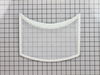
dryer filter screen broken
I didn't think it would fit as it looked bigger then the old one, I called the service department and they were very helpful. They made note of the fact that I had called with questions in case I had to call again, but it worked, and no one laughed at me. It was very nice of them. Thank you for all the help
Parts Used:
-
suzanne from Ottawa, IL
-
Difficulty Level:Really Easy
-
Total Repair Time:Less than 15 mins
3 of 4 people
found this instruction helpful.
Was this instruction helpful to you?
Thank you for voting!
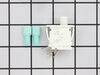
Button to start dryer
Per instructions I printed off online: took off door, then the front panel. Pulled out the old switch/button, connected the new switch/button, made sure the new button was working; put the panel back on then the door and DONE!
Parts Used:
-
Loretta E. from Miamisburg, OH
-
Difficulty Level:Easy
-
Total Repair Time:Less than 15 mins
-
Tools:Screw drivers
4 of 7 people
found this instruction helpful.
Was this instruction helpful to you?
Thank you for voting!
Squealling clothes dryer.
Undid two screws in lower front of dryer and popped off front. Removed screws holding lint screen duct and brackets supporting tumbler and removed duct and tumbler quite easily. Pulled, cleaned and oiled rear rollers, replaced front glides, and thoroughly cleaned exhaust duct of lint. Put new belt into position on the roller before sliding tumbler back in, then pulled belt over tumbler as it went in. Be careful to follow belt path directions correctly.
Key to this repair was obtaining the parts so easily from Parts Select.com. Ordered at 2pm and had them 2pm the following day. Unbelievable! These machines are relatively simple to keep running when the parts are available so easily. Thanks for great service.
Key to this repair was obtaining the parts so easily from Parts Select.com. Ordered at 2pm and had them 2pm the following day. Unbelievable! These machines are relatively simple to keep running when the parts are available so easily. Thanks for great service.
Parts Used:
-
Stephen from Port Jefferson, NY
-
Difficulty Level:Easy
-
Total Repair Time:1- 2 hours
-
Tools:Screw drivers, Socket set, Wrench set
3 of 4 people
found this instruction helpful.
Was this instruction helpful to you?
Thank you for voting!
Squeaking noise
I had replaced belt, but the noise continued. Ordered new rollers and washer. Removed the front panel by tipping the dryer back against the wall and removing two screws at the bottom of the panel. Tipping the dryer makes it easy to remove the front panel. Removed the front drum support by removing four (4) screws. I was then able to just move the drum enough to have access to the rollers. Didn't even have to remove the belt. Replaced the rollers. Needed special pliers to remove and replace the retaining rings. Put the drum back into position and mounted the front drum support. Tightened four screws and then put the front panel back on. Plugged it in and tested it. Problem solved. Took about 35 minutes. Thanks
Parts Used:


-
Charles from Daphne, AL
-
Difficulty Level:Easy
-
Total Repair Time:30 - 60 mins
-
Tools:Pliers, Screw drivers, Socket set
3 of 4 people
found this instruction helpful.
Was this instruction helpful to you?
Thank you for voting!
One of the roller shafts was worn
Replaced both rollers,shafts, bearings and snap rings.
Parts Used:
-
William from Springfield, OH
-
Difficulty Level:Really Easy
-
Total Repair Time:15 - 30 mins
-
Tools:Nutdriver, Screw drivers
3 of 4 people
found this instruction helpful.
Was this instruction helpful to you?
Thank you for voting!
Rumbly noise
I removed the front panel (two screws at bottom, then lifted bottom toward me until the top holders slid out). Then I unscrewed the front assembly that holds the dryer drum (four screws), first propping the drum from below so it would stay in place. I removed the blower housing (seven screws) and could see that the blower wheel was loose on the spindle. The 'D' shaped fitting had rounded out. A pair of snap ring pliers made removing the retaining ring and the wheel clamp a cinch and saved a good deal of teeth gnashing. I slid on the new blower wheel and then did everything in reverse. One caution: be sure the drum is pushed firmly up and back when reattaching the front assembly. (It can be done successfully with two hands). I had to re-do this part of the reassembly because the bottom of the drum was rubbing against the blower assembly. Once that was corrected, the dryer ran noiselessly. Thank goodness for PartSelect's diagrams. They're invaluable.
Parts Used:
-
Tima from Pomfret Center, CT
-
Difficulty Level:Easy
-
Total Repair Time:30 - 60 mins
-
Tools:Screw drivers, Socket set
2 of 2 people
found this instruction helpful.
Was this instruction helpful to you?
Thank you for voting!
worn out bearing
Unplug the dryer and pull it away from the wall so front and back can be accessed. Remove front panel. Remove front drum support. Remove rear access panel. Disengage drive belt from idler wheel. Make careful note of course of belt and which side is "outward". Remove drum through front. Remove Rollers using circlip pliers. Remove nuts behind shafts. Remove shafts. Clean-up area and parts before re-install.
Install new Shafts and nuts. Grease shafts. Install new Rollers, washers and clips. Drape drive belt over drum while reinstalling from front. Remount drive belt over drive and idler pullies from the rear access. During this step it helps to have a helper to position the belt around the drum in correct fore/aft position, lying flat and without twists, smooth side against drum. Install front drom support. Rotate drum to seat belt before closing up. Install rear panel cover. Install Front panel. Plug it in and turn it on for a test.
Install new Shafts and nuts. Grease shafts. Install new Rollers, washers and clips. Drape drive belt over drum while reinstalling from front. Remount drive belt over drive and idler pullies from the rear access. During this step it helps to have a helper to position the belt around the drum in correct fore/aft position, lying flat and without twists, smooth side against drum. Install front drom support. Rotate drum to seat belt before closing up. Install rear panel cover. Install Front panel. Plug it in and turn it on for a test.
Parts Used:
-
Chris from Truckee, CA
-
Difficulty Level:A Bit Difficult
-
Total Repair Time:1- 2 hours
-
Tools:Nutdriver, Screw drivers, Wrench set
2 of 2 people
found this instruction helpful.
Was this instruction helpful to you?
Thank you for voting!
Dryer was noisy and stalling. Taking twice as long to dry clothes and using more electricity
I had my oldest son who was home from college help me. We removed the front face of the dryer and put the unit on it's back. We removed the door switch and the blower unit. I didn't get a good look at how the belt was routed when we removed the drum but was able to figure it out when we put it back together. Not only was the belt frayed and dry rotted, the blower squirrel cage was free-wheeling on the shaft. I found a tab of metal I was able to insert in the flat of the shaft between the cage bushing and the shaft and I put the squeeze ring and snap ring back in place. We also discovered the source of much of the rattling noise we had grown accustomed to was actually change pieces trapped under the drum ribs. We removed them and put the ribs back in place and we installed the new belt and figured out how the belt routed around the shaft and tensioning pulley. We cleaned all the trapped lint out of the dryer and reassembled the unit. It now works like new. Thanks!
Parts Used:
-
RIchard from New Era, MI
-
Difficulty Level:A Bit Difficult
-
Total Repair Time:30 - 60 mins
-
Tools:Nutdriver, Pliers, Screw drivers, Socket set
2 of 2 people
found this instruction helpful.
Was this instruction helpful to you?
Thank you for voting!
Dryer was sweaking and rumbling. Found tub support roller and shaft had failed bushing.
My wife had to help me due to a recent back surgery that I had.
1. Disconnet power. Then if you have room, slide dryer away from wall far enough to tilt it slightly back. We had to do this to remove the two lower front panle philips head scres due to my screwdriver length. If you have a stubby, then you don't need to do this. Remove by pulling out on bottom until the two clips at top disengage from dryer top panel.
2. We removed the four 1/4" head sheet metal screws that hold the front tub support panel (with lint screen). Be carefull of wiring. One moisture sensor wire has to be removed from front cover on lower right side near bottom of tub opening. The remaing wires on left side are long enough to leave them attached and "swing" front panel to your left and in my case, lay it back uprite against the washer front.
3. We slid the tub forward enough to lay old belt down so I could see how it was routed around drive. I wanted to verify paperwork that came with new belt. We then set entire tub out of dryer. You might want to take it to another room if you laundry room is cramped.
4. We removed the nut from back of each support roller shaft, I believe it was 3/8 hex. Then reveresed this procedure to install the new roller and shaft. It was easier to assembly rollers before installing as a unit.
5. I removed the old belt and confirmed its length to new belt. I then installed the new belt over drive sheave and tensioner.
6. We then installed the tub and worked belt around it while keeping it on the drive sheave and tensioner pulley. Had to kind of stick my head into tub to start belt unto it.
7. We checked tub front and rear felt seals and I would recomment\d changing these if your dryer is older than 10 years, we did not have then so kept old ones.
8. We replaced the front tub support and installed the four sheet metal screws.
9. We replaced the front cover and installed the two lower philips head screws.
10. Re-connected power and tested operation.
1. Disconnet power. Then if you have room, slide dryer away from wall far enough to tilt it slightly back. We had to do this to remove the two lower front panle philips head scres due to my screwdriver length. If you have a stubby, then you don't need to do this. Remove by pulling out on bottom until the two clips at top disengage from dryer top panel.
2. We removed the four 1/4" head sheet metal screws that hold the front tub support panel (with lint screen). Be carefull of wiring. One moisture sensor wire has to be removed from front cover on lower right side near bottom of tub opening. The remaing wires on left side are long enough to leave them attached and "swing" front panel to your left and in my case, lay it back uprite against the washer front.
3. We slid the tub forward enough to lay old belt down so I could see how it was routed around drive. I wanted to verify paperwork that came with new belt. We then set entire tub out of dryer. You might want to take it to another room if you laundry room is cramped.
4. We removed the nut from back of each support roller shaft, I believe it was 3/8 hex. Then reveresed this procedure to install the new roller and shaft. It was easier to assembly rollers before installing as a unit.
5. I removed the old belt and confirmed its length to new belt. I then installed the new belt over drive sheave and tensioner.
6. We then installed the tub and worked belt around it while keeping it on the drive sheave and tensioner pulley. Had to kind of stick my head into tub to start belt unto it.
7. We checked tub front and rear felt seals and I would recomment\d changing these if your dryer is older than 10 years, we did not have then so kept old ones.
8. We replaced the front tub support and installed the four sheet metal screws.
9. We replaced the front cover and installed the two lower philips head screws.
10. Re-connected power and tested operation.
Parts Used:
-
Glenn from Lewisport, KY
-
Difficulty Level:A Bit Difficult
-
Total Repair Time:30 - 60 mins
-
Tools:Nutdriver, Screw drivers
2 of 2 people
found this instruction helpful.
Was this instruction helpful to you?
Thank you for voting!