



















LDE9316ACE Maytag Dryer - Instructions
Keep searches simple. Use keywords, e.g. "leaking", "pump", "broken" or "fit".
After a period of the dryer not being used, the idler pulley wheel froze up on the shaft of the idler pulley arm.
This should have been a simple repair, but turned out to be time consuming and moderately difficult. I hope these instructions will help anyone who encounters the problems described here.
After a period of the dryer not being used, the idler pulley wheel froze on the shaft of the idler pulley arm, so I needed to replace both parts. After mounting the new wheel and two washers on the new arm and securing with a retaining ring, I went to install this assembly by going in through the small access panel at the rear of the dryer. I slid the belt off the old idler pulley wheel and unhooked the spring from the idler pulley arm; the arm was mounted on a sleeve fastened to the motor bracket by one screw. All that should have been necessary was to back out that screw and replace the old idler pulley assembly with the new one.
That is where the trouble started. Backing out the screw with a socket driver, I found it would go a few turns, then start to bind. I tried turning it in and out to get the threads to engage, but it kept binding. Eventually I gave the screw a hard turn, and then it would turn freely but not move in or out.
Looking on the internet for advice, I found a video that asserts for another model Maytag dryer using the same type of mounting for the idler arm, that there is a design flaw. You can find the video by searching for “Maytag dryer idler pulley defect”. According to the video, the sheet metal screw used to mount the idler pulley arm can gradually loosen due to the pressure and vibration, and begins to “waggle” which eventually damages the threads. I believe this is what happened to my dryer. The video suggests replacing the sheet metal screw with a machine screw and nut for a more durable union.
So now I understood how the screw could be stripped just sitting in the dryer, but that didn’t help me get the screw out. Working through the rear access panel, I tried pulling on the screw head with several types of pliers, pushing the point from behind with a piece of wood while turning the head with a socket driver; eventually I was able to use a pry bar under the screw head and sleeve to apply pressure while turning the head, and with that method the screw backed out. With the screw removed, it could be seen that the threads in the middle part of the thread length were almost completely worn away.
The screw sleeve got somewhat deformed in this process so I ordered a new one, along with an exact replacement sheet metal screw, hoping the threads in the hole were still intact. With the old idler pulley arm now removed, I could transfer the old idler bracket spacer to the new idler pulley arm. When the ordered parts arrived and I tried to mount the idler pulley arm, the new screw would go in only a couple of turns before binding. Rather than risk winding up in the same situation by forcing the screw, I decided to use a machine screw and nut instead.
The original sheet metal screw was a #10. A machine screw the same size would not fit through the hole, and I could not fit my drill into the dryer cabinet in a position to enlarge the hole, so I used a #8 machine screw with a nut and lock washer. First I put some grease on the contact areas of the screw sleeve and idler bracket spacer, then inserted the machine screw through the hole and put the lock washer and nut on the other side of the mounting. The space around the nut is very limited, and most of my tools were too large to hold the nut while the screw was tightened. It was too small for a socket or adjustable wrench, and the clearance from the exhaust duct was too small for the handles of most tools. Eventually, I found a needle nose pliers with short handles that did the job. A thin open end wrench might also work. Then I reconnected the spring and belt to the idler pulley assembly, and closed the access panel. So far the dryer works, but if the #8 screw turns out to be not strong enough, I could get an extension for my drill and enlarge the hole to fit a #10 machine screw and nut.
Looking back on the job, the most difficult part of this repair was removing the damaged screw. This and several other steps might have been a lot easier if I had removed the motor bracket (where the idler pulley arm is mounted) from the dryer and worked outside the cabinet. Part Select has an excellent video “Replacing the Drive Motor” that shows how to do this. It would be a lot of disassembly work, but for someone with good assembly skills could be easier in the long run.
Hopefully most folks out there who replace the idler pulley arm on a dryer will find an easier situation than I did. But for any who have to deal with a stripped mounting screw, I hope this summary will help you resolve it.
After a period of the dryer not being used, the idler pulley wheel froze on the shaft of the idler pulley arm, so I needed to replace both parts. After mounting the new wheel and two washers on the new arm and securing with a retaining ring, I went to install this assembly by going in through the small access panel at the rear of the dryer. I slid the belt off the old idler pulley wheel and unhooked the spring from the idler pulley arm; the arm was mounted on a sleeve fastened to the motor bracket by one screw. All that should have been necessary was to back out that screw and replace the old idler pulley assembly with the new one.
That is where the trouble started. Backing out the screw with a socket driver, I found it would go a few turns, then start to bind. I tried turning it in and out to get the threads to engage, but it kept binding. Eventually I gave the screw a hard turn, and then it would turn freely but not move in or out.
Looking on the internet for advice, I found a video that asserts for another model Maytag dryer using the same type of mounting for the idler arm, that there is a design flaw. You can find the video by searching for “Maytag dryer idler pulley defect”. According to the video, the sheet metal screw used to mount the idler pulley arm can gradually loosen due to the pressure and vibration, and begins to “waggle” which eventually damages the threads. I believe this is what happened to my dryer. The video suggests replacing the sheet metal screw with a machine screw and nut for a more durable union.
So now I understood how the screw could be stripped just sitting in the dryer, but that didn’t help me get the screw out. Working through the rear access panel, I tried pulling on the screw head with several types of pliers, pushing the point from behind with a piece of wood while turning the head with a socket driver; eventually I was able to use a pry bar under the screw head and sleeve to apply pressure while turning the head, and with that method the screw backed out. With the screw removed, it could be seen that the threads in the middle part of the thread length were almost completely worn away.
The screw sleeve got somewhat deformed in this process so I ordered a new one, along with an exact replacement sheet metal screw, hoping the threads in the hole were still intact. With the old idler pulley arm now removed, I could transfer the old idler bracket spacer to the new idler pulley arm. When the ordered parts arrived and I tried to mount the idler pulley arm, the new screw would go in only a couple of turns before binding. Rather than risk winding up in the same situation by forcing the screw, I decided to use a machine screw and nut instead.
The original sheet metal screw was a #10. A machine screw the same size would not fit through the hole, and I could not fit my drill into the dryer cabinet in a position to enlarge the hole, so I used a #8 machine screw with a nut and lock washer. First I put some grease on the contact areas of the screw sleeve and idler bracket spacer, then inserted the machine screw through the hole and put the lock washer and nut on the other side of the mounting. The space around the nut is very limited, and most of my tools were too large to hold the nut while the screw was tightened. It was too small for a socket or adjustable wrench, and the clearance from the exhaust duct was too small for the handles of most tools. Eventually, I found a needle nose pliers with short handles that did the job. A thin open end wrench might also work. Then I reconnected the spring and belt to the idler pulley assembly, and closed the access panel. So far the dryer works, but if the #8 screw turns out to be not strong enough, I could get an extension for my drill and enlarge the hole to fit a #10 machine screw and nut.
Looking back on the job, the most difficult part of this repair was removing the damaged screw. This and several other steps might have been a lot easier if I had removed the motor bracket (where the idler pulley arm is mounted) from the dryer and worked outside the cabinet. Part Select has an excellent video “Replacing the Drive Motor” that shows how to do this. It would be a lot of disassembly work, but for someone with good assembly skills could be easier in the long run.
Hopefully most folks out there who replace the idler pulley arm on a dryer will find an easier situation than I did. But for any who have to deal with a stripped mounting screw, I hope this summary will help you resolve it.
Parts Used:

-
Alan from BETHESDA, MD
-
Difficulty Level:A Bit Difficult
-
Total Repair Time:More than 2 hours
-
Tools:Nutdriver, Pliers, Screw drivers, Socket set
3 of 3 people
found this instruction helpful.
Was this instruction helpful to you?
Thank you for voting!
Idler pulley arm mounting screw stripped
This should have been a simple repair, but turned out to be time consuming and moderately difficult. I hope these instructions will help anyone who encounters the problems described here.
After a period of the dryer not being used, the idler pulley wheel froze on the shaft of the idler pulley arm, so I needed to replace both parts. After mounting the new wheel and two washers on the new arm and securing with a retaining ring, I went to install this assembly by going in through the small access panel at the rear of the dryer. I slid the belt off the old idler pulley wheel and unhooked the spring from the idler pulley arm; the arm was mounted on a sleeve fastened to the motor bracket by one screw. All that should have been necessary was to back out that screw and replace the old idler pulley assembly with the new one.
That is where the trouble started. Backing out the screw with a socket driver, I found it would go a few turns, then start to bind. I tried turning it in and out to get the threads to engage, but it kept binding. Eventually I gave the screw a hard turn, and then it would turn freely but not move in or out.
Looking on the internet for advice, I found a video that asserts for another model Maytag dryer using the same type of mounting for the idler arm, that there is a design flaw. You can find the video by searching for “Maytag dryer idler pulley defect”. According to the video, the sheet metal screw used to mount the idler pulley arm can gradually loosen due to the pressure and vibration, and begins to “waggle” which eventually damages the threads. I believe this is what happened to my dryer. The video suggests replacing the sheet metal screw with a machine screw and nut for a more durable union.
So now I understood how the screw could be stripped just sitting in the dryer, but that didn’t help me get the screw out. Working through the rear access panel, I tried pulling on the screw head with several types of pliers, pushing the point from behind with a piece of wood while turning the head with a socket driver; eventually I was able to use a pry bar under the screw head and sleeve to apply pressure while turning the head, and with that method the screw backed out. With the screw removed, it could be seen that the threads in the middle part of the thread length were almost completely worn away.
The screw sleeve got somewhat deformed in this process so I ordered a new one, along with an exact replacement sheet metal screw, hoping the threads in the hole were still intact. With the old idler pulley arm now removed, I could transfer the old idler bracket spacer to the new idler pulley arm. When the ordered parts arrived and I tried to mount the idler pulley arm, the new screw would go in only a couple of turns before binding. Rather than risk winding up in the same situation by forcing the screw, I decided to use a machine screw and nut instead.
The original sheet metal screw was a #10. A machine screw the same size would not fit through the hole, and I could not fit my drill into the dryer cabinet in a position to enlarge the hole, so I used a #8 machine screw with a nut and lock washer. First I put some grease on the contact areas of the screw sleeve and idler bracket spacer, then inserted the machine screw through the hole and put the lock washer and nut on the other side of the mounting. The space around the nut is very limited, and most of my tools were too large to hold the nut while the screw was tightened. It was too small for a socket or adjustable wrench, and the clearance from the exhaust duct was too small for the handles of most tools. Eventually, I found a needle nose pliers with short handles that did the job. A thin open end wrench might also work. Then I reconnected the spring and belt to the idler pulley assembly, and closed the access panel. So far the dryer works, but if the #8 screw turns out to be not strong enough, I could get an extension for my drill and enlarge the hole to fit a #10 machine screw and nut.
Looking back on the job, the most difficult part of this repair was removing the damaged screw. This and several other steps might have been a lot easier if I had removed the motor bracket (where the idler pulley arm is mounted) from the dryer and worked outside the cabinet. Part Select has an excellent video “Replacing the Drive Motor” that shows how to do this. It would be a lot of disassembly work, but for someone with good assembly skills could be easier in the long run.
Hopefully most folks out there who replace the idler pulley arm on a dryer will find an easier situation than I did. But for any who have to deal with a stripped mounting screw, I hope this summary will help you resolve it.
After a period of the dryer not being used, the idler pulley wheel froze on the shaft of the idler pulley arm, so I needed to replace both parts. After mounting the new wheel and two washers on the new arm and securing with a retaining ring, I went to install this assembly by going in through the small access panel at the rear of the dryer. I slid the belt off the old idler pulley wheel and unhooked the spring from the idler pulley arm; the arm was mounted on a sleeve fastened to the motor bracket by one screw. All that should have been necessary was to back out that screw and replace the old idler pulley assembly with the new one.
That is where the trouble started. Backing out the screw with a socket driver, I found it would go a few turns, then start to bind. I tried turning it in and out to get the threads to engage, but it kept binding. Eventually I gave the screw a hard turn, and then it would turn freely but not move in or out.
Looking on the internet for advice, I found a video that asserts for another model Maytag dryer using the same type of mounting for the idler arm, that there is a design flaw. You can find the video by searching for “Maytag dryer idler pulley defect”. According to the video, the sheet metal screw used to mount the idler pulley arm can gradually loosen due to the pressure and vibration, and begins to “waggle” which eventually damages the threads. I believe this is what happened to my dryer. The video suggests replacing the sheet metal screw with a machine screw and nut for a more durable union.
So now I understood how the screw could be stripped just sitting in the dryer, but that didn’t help me get the screw out. Working through the rear access panel, I tried pulling on the screw head with several types of pliers, pushing the point from behind with a piece of wood while turning the head with a socket driver; eventually I was able to use a pry bar under the screw head and sleeve to apply pressure while turning the head, and with that method the screw backed out. With the screw removed, it could be seen that the threads in the middle part of the thread length were almost completely worn away.
The screw sleeve got somewhat deformed in this process so I ordered a new one, along with an exact replacement sheet metal screw, hoping the threads in the hole were still intact. With the old idler pulley arm now removed, I could transfer the old idler bracket spacer to the new idler pulley arm. When the ordered parts arrived and I tried to mount the idler pulley arm, the new screw would go in only a couple of turns before binding. Rather than risk winding up in the same situation by forcing the screw, I decided to use a machine screw and nut instead.
The original sheet metal screw was a #10. A machine screw the same size would not fit through the hole, and I could not fit my drill into the dryer cabinet in a position to enlarge the hole, so I used a #8 machine screw with a nut and lock washer. First I put some grease on the contact areas of the screw sleeve and idler bracket spacer, then inserted the machine screw through the hole and put the lock washer and nut on the other side of the mounting. The space around the nut is very limited, and most of my tools were too large to hold the nut while the screw was tightened. It was too small for a socket or adjustable wrench, and the clearance from the exhaust duct was too small for the handles of most tools. Eventually, I found a needle nose pliers with short handles that did the job. A thin open end wrench might also work. Then I reconnected the spring and belt to the idler pulley assembly, and closed the access panel. So far the dryer works, but if the #8 screw turns out to be not strong enough, I could get an extension for my drill and enlarge the hole to fit a #10 machine screw and nut.
Looking back on the job, the most difficult part of this repair was removing the damaged screw. This and several other steps might have been a lot easier if I had removed the motor bracket (where the idler pulley arm is mounted) from the dryer and worked outside the cabinet. Part Select has an excellent video “Replacing the Drive Motor” that shows how to do this. It would be a lot of disassembly work, but for someone with good assembly skills could be easier in the long run.
Hopefully most folks out there who replace the idler pulley arm on a dryer will find an easier situation than I did. But for any who have to deal with a stripped mounting screw, I hope this summary will help you resolve it.
Parts Used:

-
Alan from BETHESDA, MD
-
Difficulty Level:A Bit Difficult
-
Total Repair Time:More than 2 hours
-
Tools:Nutdriver, Pliers, Screw drivers, Socket set
3 of 3 people
found this instruction helpful.
Was this instruction helpful to you?
Thank you for voting!
One of the roller shafts was worn
Replaced both rollers,shafts, bearings and snap rings.
Parts Used:


-
William from Springfield, OH
-
Difficulty Level:Really Easy
-
Total Repair Time:15 - 30 mins
-
Tools:Nutdriver, Screw drivers
3 of 4 people
found this instruction helpful.
Was this instruction helpful to you?
Thank you for voting!
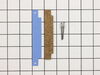
When the dryer grumbles check the blower wheel too.
If your dryer is making a rumbling noise, change the blower wheel. It's plastic and the heating and cooling cycles causes the keyway in the plastic to give out and the wheel just spins causing the noise and the slower dry time. The other parts I replaced see below. Like many other repairs, remove screws below dryer door. Mark all wires and locations for re-assembly. Next remove front tumbler/lint screen assembly (4 sheet metal screws 2/L 2/R. Work belt off back of tumbler and remove. Use flathead screw driver to release tabs that hold felts on both front and back tumble supports. Make sure you know rotation of tumbler and install new felts so the overlap goes in direction of spin. Use a drum stick or 3/8 ratchet extension, something dull and flat to press tabs back down on felts. A screwdriver could slip off and tear cloth. Next drill out heads of the rivets on the glides and remove teflon glide and cork backer. Make sure all rivet material is removed front and back. Install new cork and glide. Rivet one side back in, then the other. Repeat on 2nd glide. Re-assemble dryer. Super smooth, super quiet.
Parts Used:
-
Chris from MArietta, GA
-
Difficulty Level:Easy
-
Total Repair Time:30 - 60 mins
-
Tools:Nutdriver, Screw drivers
3 of 4 people
found this instruction helpful.
Was this instruction helpful to you?
Thank you for voting!
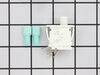
Button to start dryer
Per instructions I printed off online: took off door, then the front panel. Pulled out the old switch/button, connected the new switch/button, made sure the new button was working; put the panel back on then the door and DONE!
Parts Used:
-
Loretta E. from Miamisburg, OH
-
Difficulty Level:Easy
-
Total Repair Time:Less than 15 mins
-
Tools:Screw drivers
4 of 7 people
found this instruction helpful.
Was this instruction helpful to you?
Thank you for voting!
Plastic knob cracked so unable to set dryer
Initially I thought let me call so and so but then I thought, "wait, let me google the model and make and I looked up what I thought might be the part. So for $15.00 I fixed my dryer. I was very proud of myself and my husband was happy I saved him money!
Parts Used:

-
Dianne from CHATHAM, NJ
-
Difficulty Level:Very Easy
-
Total Repair Time:Less than 15 mins
-
Tools:Screw drivers
3 of 4 people
found this instruction helpful.
Was this instruction helpful to you?
Thank you for voting!
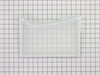
I relaced our worn out lint filter
My part was not amazing. What was genuinely cool: I ordered it one day and it was here the next, took out the old and put in the new. Thanks for getting it here so quickly.
Parts Used:
-
Robert from Sacramento, CA
-
Difficulty Level:Really Easy
-
Total Repair Time:Less than 15 mins
3 of 4 people
found this instruction helpful.
Was this instruction helpful to you?
Thank you for voting!
electric dryer had no heat
I removed the cover from the control panel, took out the schematic, removed the rear cover by the motor, followed the schematic, powered the heater by taking the blue hot leg wire off the right side of the switch and touching it to the black lead for the heater on the left side, and I could hear the heater power on. Since bypassing the motor start switch powered the heater, I ordered the part. When it came, I installed it in about 5 minutes and the dryer worked perfectly.
Parts Used:

-
David from Lower Burrell, PA
-
Difficulty Level:A Bit Difficult
-
Total Repair Time:1- 2 hours
-
Tools:Nutdriver, Screw drivers
3 of 4 people
found this instruction helpful.
Was this instruction helpful to you?
Thank you for voting!
Squeaking noise
I had replaced belt, but the noise continued. Ordered new rollers and washer. Removed the front panel by tipping the dryer back against the wall and removing two screws at the bottom of the panel. Tipping the dryer makes it easy to remove the front panel. Removed the front drum support by removing four (4) screws. I was then able to just move the drum enough to have access to the rollers. Didn't even have to remove the belt. Replaced the rollers. Needed special pliers to remove and replace the retaining rings. Put the drum back into position and mounted the front drum support. Tightened four screws and then put the front panel back on. Plugged it in and tested it. Problem solved. Took about 35 minutes. Thanks
Parts Used:
-
Charles from Daphne, AL
-
Difficulty Level:Easy
-
Total Repair Time:30 - 60 mins
-
Tools:Pliers, Screw drivers, Socket set
3 of 4 people
found this instruction helpful.
Was this instruction helpful to you?
Thank you for voting!
Part access but easy solution!
Overall, the repair was pretty easy. I'm a 52 year old woman who has never done drier repair. I replaced both front glides, both drum support roller wheels, the idler pulley wheel and the tumbler and motor belt. Including vacuuming out the inside of dryer and washing down the inside and outside of dryer with cleaning wipes, the whole project took me 2 hours. (if done individually, time would have been 20-30 minutes). You must have correct tools, so I did have to purchase two tools that I didn't have. My only suggestion in replacing the idler pulley wheel and the tumbler/motor belt would be to take the small access panel off the back of the dryer for easier access to the parts.
Parts Used:
-
Amy from POCATELLO, ID
-
Difficulty Level:Easy
-
Total Repair Time:1- 2 hours
-
Tools:Screw drivers, Socket set
2 of 2 people
found this instruction helpful.
Was this instruction helpful to you?
Thank you for voting!
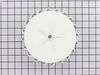
Clunking noise when first turned on
I took the access panel off the back, realized that belt was in very bad shape. Ordered a belt when I got that changed I put it back together and it still had a clunking noise. Found out that the blower wheel was rounded off where it goes over the shaft. So to change that I took the two front screws off, then the four hex screws off of the tumbler guide. There were eight or so screws over the blower wheel, took those out and the clamp on the blower wheel then used the snap ring pliers for the snap ring, then changed the wheel. Problem solved. This website is very helpful I would not have attempted to fix my dryer without this website.
Parts Used:
-
Cody from Nebraska City, NE
-
Difficulty Level:Easy
-
Total Repair Time:1- 2 hours
-
Tools:Nutdriver, Pliers, Screw drivers
2 of 2 people
found this instruction helpful.
Was this instruction helpful to you?
Thank you for voting!
Dryer making strange thumping noise
Removed back panel of machine which exposed badly worn idler pulley. Have had problem before on another dryer so I was sure what problem was before I started. Removed snap washer and cloth washer and then bad pulley.(It was very worn and wobbly).Cleaned shaft with small piece of emery paper and put two drops of oil on shaft and replaced old pulley with new one.Put back washer and snap washer.Drive belt had slipped away from its proper position so I had to remove the front panel of the dryer to place the belt back and realign it on the drum and around the new pulley and the motor drive shaft. Not really that difficult.....Machine now runs like it's brand new.....
Parts Used:
-
William from New Bern, NC
-
Difficulty Level:Easy
-
Total Repair Time:15 - 30 mins
-
Tools:Pliers, Screw drivers
3 of 5 people
found this instruction helpful.
Was this instruction helpful to you?
Thank you for voting!
dryer not getting hot enough
my son did the installation according to your excellent video instructions
Parts Used:
-
RON from VIENNA, VA
-
Difficulty Level:Very Easy
-
Total Repair Time:15 - 30 mins
-
Tools:Nutdriver, Pliers, Screw drivers
2 of 2 people
found this instruction helpful.
Was this instruction helpful to you?
Thank you for voting!
front glides wore out
-
james from WOODBURN, IN
-
Difficulty Level:Really Easy
-
Total Repair Time:15 - 30 mins
-
Tools:Nutdriver, Screw drivers
2 of 2 people
found this instruction helpful.
Was this instruction helpful to you?
Thank you for voting!
Belt broke...drum would not turn but there was heat.
Removed front cover.removed 4 screws holding drum in place. Cleaned out lint from everywhere. Placed new belt over drum looping it over idler arm & motor pulley. Pushed drum back ; rotated drum to see that belt was engaged. Put front drum bracket in place. Put front panel in place with 2 screws at the bottom. Tested motor & rotation of drum; then checked heat. All worked fine. Took 1 hr. but most time spent cleaning lint.
Parts Used:
-
Dirk from CHESWICK, PA
-
Difficulty Level:Really Easy
-
Total Repair Time:30 - 60 mins
-
Tools:Nutdriver
2 of 2 people
found this instruction helpful.
Was this instruction helpful to you?
Thank you for voting!