















HSM25GFTS General Electric Refrigerator - Instructions
Keep searches simple. Use keywords, e.g. "leaking", "pump", "broken" or "fit".
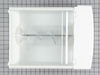
Plastic piece on front of ice bucket auger cracked an broke off
I just pulled the old Ice bucket assembly out and replaced it with the new one. Couldn't get any easier.
Parts Used:
-
Gunars from Arlington, TX
-
Difficulty Level:Really Easy
-
Total Repair Time:Less than 15 mins
81 of 104 people
found this instruction helpful.
Was this instruction helpful to you?
Thank you for voting!
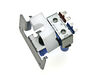
Water continuously pours out of the icemaker
A week earlier, we had frozen water all over the freezer section which obviously dripped from the icemaker. We turn off the icemaker and cleaned the freezer. Upon turning the icemaker back on, water continuously pours out of the ice tray. This time, even turning off the icemaker does not stop the water from flowing through. I checked and cleaned the water valve, reinstalled it and it still does not work. I had to crimp the water line and even remove the water filter to make sure there will be no water leaks.
When I got the new water valve, installation was a snap as I have already removed the old one. After installing the new valve and putting back the filter, everything is back to normal.
Procedure for removing/replacing the water valve:
(1) Unplug the refrigerator and move it so that you have some working space in the back. If there is a mechanical valve in the water line, close it so that when the hoses are unplugged, there will be no spills. If there is no mechanical water valve, you can simply crimp the hose with a rubber band or a cable tie.
(2) Use an adjustable wrench or a screw driver to remove the screws on the bottom panel. My refrigerator has 4 big screws and 1 small one that is used to anchor the water hose.
(3) Pull the panel up slightly to remove it. The water valve is mounted with one screw at the bottom-left corner.
(4) Use a screwdriver to dismount the water valve.
(5) Unplug the electrical connections to the water valve. My refrigerator has one Brown and one Blue connector. Remember which plug goes to which connector.
(6) Place a towel under the water valve and use the adjustable wrench to remove the main hose connection.
(7) Next, remove the hoses that to into the water valve outlets. On my refrigerator, these hoses are of different sizes and have quick-disconnects. I simply have to press on the collar at end of the hose, pushing it towards the valve to release the hose, then pull on the hose.
(8) Prepare the new water valve by removing the plastic cover that protects the connector for the main water line.
(9) Connect the main water line to the new valve using the adjustable wrench.
(10) Connect the two hoses of different sizes to the valve. You only have to push them all the way into each valve and slightly tug on them to make sure they are locked in place.
(11) Re-connect the Brown and Blue electrical connectors to their original location.
(12) Mount the new water valve into the back of the refrigerator (one screw).
(13) If possible, quickly check that the new valve is working properly: If you have a mechanical valve in the water line, open it and make sure there are no leaks near the valve or inside in the icemaker. You may have to plug in the refrigerator power to complete the initial test.
(14) Replace the back panel with the 4 screws and anchor the hose to the back with 1 screw.
(15) Once everything is back in its place and the refrigerator is on, cycle the water dispenser several times to run fresh water into the hoses and the new valve.
When I got the new water valve, installation was a snap as I have already removed the old one. After installing the new valve and putting back the filter, everything is back to normal.
Procedure for removing/replacing the water valve:
(1) Unplug the refrigerator and move it so that you have some working space in the back. If there is a mechanical valve in the water line, close it so that when the hoses are unplugged, there will be no spills. If there is no mechanical water valve, you can simply crimp the hose with a rubber band or a cable tie.
(2) Use an adjustable wrench or a screw driver to remove the screws on the bottom panel. My refrigerator has 4 big screws and 1 small one that is used to anchor the water hose.
(3) Pull the panel up slightly to remove it. The water valve is mounted with one screw at the bottom-left corner.
(4) Use a screwdriver to dismount the water valve.
(5) Unplug the electrical connections to the water valve. My refrigerator has one Brown and one Blue connector. Remember which plug goes to which connector.
(6) Place a towel under the water valve and use the adjustable wrench to remove the main hose connection.
(7) Next, remove the hoses that to into the water valve outlets. On my refrigerator, these hoses are of different sizes and have quick-disconnects. I simply have to press on the collar at end of the hose, pushing it towards the valve to release the hose, then pull on the hose.
(8) Prepare the new water valve by removing the plastic cover that protects the connector for the main water line.
(9) Connect the main water line to the new valve using the adjustable wrench.
(10) Connect the two hoses of different sizes to the valve. You only have to push them all the way into each valve and slightly tug on them to make sure they are locked in place.
(11) Re-connect the Brown and Blue electrical connectors to their original location.
(12) Mount the new water valve into the back of the refrigerator (one screw).
(13) If possible, quickly check that the new valve is working properly: If you have a mechanical valve in the water line, open it and make sure there are no leaks near the valve or inside in the icemaker. You may have to plug in the refrigerator power to complete the initial test.
(14) Replace the back panel with the 4 screws and anchor the hose to the back with 1 screw.
(15) Once everything is back in its place and the refrigerator is on, cycle the water dispenser several times to run fresh water into the hoses and the new valve.
Parts Used:
-
Noel from San Jose, CA
-
Difficulty Level:Easy
-
Total Repair Time:Less than 15 mins
-
Tools:Screw drivers, Wrench (Adjustable)
72 of 78 people
found this instruction helpful.
Was this instruction helpful to you?
Thank you for voting!
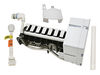
Ice maker stopped working
I unplugged the electrical connection. Then I removed the 2 screws holding the icemaker in place. I lifted out the old icemaker unit and put the new one in place. Then put the 2 screws back in and plugged in the new unit.
The icemaker started making ice very soon after turning the unit on.
The icemaker started making ice very soon after turning the unit on.
Parts Used:
-
Dan from West Bloomfield, MI
-
Difficulty Level:Really Easy
-
Total Repair Time:Less than 15 mins
-
Tools:Nutdriver
83 of 112 people
found this instruction helpful.
Was this instruction helpful to you?
Thank you for voting!
Ice jamming up in the ice maker unit because auger was broken
Remove Ice maker bin from the refrigerator and empty. Unscrew the three Phillips head screws that secure the front plate to the bin and gently lift and pull the tab that secures the interior portion of the plate until it clears the bin. Once you remove the front plate, it will expose two side tabs on the front of the bin which must be depressed so that the plastic insert that hold the auger in place can be removed. Isolate the auger with the from the unit by rotating the parts off the shaft. The ice crushing blades are attached to the auger and can easily be removed by twisting the plastic nut off with pliers. The cutting blades will now slip off the end (make sure you study the orientation of the blades as each piece will come off separately and make the job unpleasant when you go to put it back together). Now that the auger is out, just reverse the process and you have a "new" ice dispenser. Works like a charm. The diagram furnished by PartSelect was very helpful and accurate if you get a bit lost, especially when putting the crushing blades back together.
Parts Used:
-
Elaine from Healdsburg, CA
-
Difficulty Level:Easy
-
Total Repair Time:15 - 30 mins
-
Tools:Pliers, Screw drivers
77 of 95 people
found this instruction helpful.
Was this instruction helpful to you?
Thank you for voting!
broken ice maker part
used a screwdriver to remove screw and unplugged part. Plugged in new one and secured with a screw.
Simple
Simple
Parts Used:
-
Laura Beth from Mandeville, LA
-
Difficulty Level:Really Easy
-
Total Repair Time:Less than 15 mins
-
Tools:Screw drivers
78 of 104 people
found this instruction helpful.
Was this instruction helpful to you?
Thank you for voting!
Getting ice but not water from the dispenser
On the web site I explained the problem and the solution was immediate. I went to the installation video and was instructed how to install the double outlet valve. It took about 10 minutes to take out the old part and install the new one. I didn't have water immediately so I viewed comments by others and learned that I may have a frozen line in the door. I tried thawing out the line and in about 3 hours and I had water. I figure I saved about $200.00 by doing it myself. Thank you partselect.com
Parts Used:

-
Gary from North Salt Lake, UT
-
Difficulty Level:Easy
-
Total Repair Time:15 - 30 mins
-
Tools:Screw drivers, Socket set
75 of 98 people
found this instruction helpful.
Was this instruction helpful to you?
Thank you for voting!
Replaced the cracked plastic ice auger
Removed the ice bucket assembly and attempted to dismantle and re-assemble it the same as new
after replacing the auger. I wish the part was shipped with replacement instructions because a simple job turned into a major headache for me because of the following:
1) I did not realize that the the nylon nut at the end of the auger rod assembly has a reverse thread. By the time I had it removed using vice-grip pliers and a bench vice.....the nut threads were stripped.
2) When removing the nylon washers, spacers, metal cutters from the old auger rod, I grabbed the entire grouping hoping to drop them on the new auger rod as a group. While doing so, the pieces slipped out of my hand and It was very difficult to find the correct order of configuration even with the on-line parts photo. I would recommend that you number each part before removing them from the rod because there is only 1 way all of these pieces can be re-assembled to work as designed.
after replacing the auger. I wish the part was shipped with replacement instructions because a simple job turned into a major headache for me because of the following:
1) I did not realize that the the nylon nut at the end of the auger rod assembly has a reverse thread. By the time I had it removed using vice-grip pliers and a bench vice.....the nut threads were stripped.
2) When removing the nylon washers, spacers, metal cutters from the old auger rod, I grabbed the entire grouping hoping to drop them on the new auger rod as a group. While doing so, the pieces slipped out of my hand and It was very difficult to find the correct order of configuration even with the on-line parts photo. I would recommend that you number each part before removing them from the rod because there is only 1 way all of these pieces can be re-assembled to work as designed.
Parts Used:
-
Michael from Greenbelt, MD
-
Difficulty Level:Difficult
-
Total Repair Time:More than 2 hours
-
Tools:Pliers, Screw drivers
67 of 84 people
found this instruction helpful.
Was this instruction helpful to you?
Thank you for voting!
Will not dispense water
The Top Filter Housing on this refrigerator contains some sort of Excess Flow Check Valve to prevent water flow if there is no filter installed. When the spring on this valve weakens over time, the valve closes unnecessarily with normal flow and chatters. This sounds like a woodpecker hammering on the side of your house and water flow is almost non-existant. You may have heard the same thing after you changed the filter if there was air in the system. The noise stops and you have normal water flow once the air is vented out of the filter. If you start hearing this noise unprovoked (filter has not been recently changed), the Top Filter Housing needs to be replaced. To replace this part, you will need a 1/4" and 5/16" nut drivers or sockets and two 1/2" open ended wrenches. You might also need plumber's putty. Shut off the water and have a bucket ready to drain the water into. Remove the lower cover from the back of the refrigerator. Disconnect the two hoses going to/from the top filter housing. One is connected to the main water line, the other is connected to the Water Fill Valve located in back of the refrigerator on the bottom left corner. Un-screw the cover plate from the back of the refrigerator and pull the plumbers putty out (can be re-used if still pliable). On the inside of the refrigerator, pull the plastic cap off the Top Filter Housing to expose the two screws holding it in place. Remove the two screws and pull out the Top Filter Housing with Tubing. Replacement is the reverse of what you just did. If the tubing is a little short, you will want to unbolt the Water Fill Valve from the refrigerator prior to re-connecting it to ensure a water tight connection.
Parts Used:

-
Thomas from Leland, NC
-
Difficulty Level:Easy
-
Total Repair Time:Less than 15 mins
-
Tools:Nutdriver, Wrench set
62 of 75 people
found this instruction helpful.
Was this instruction helpful to you?
Thank you for voting!
The evaporator fan motor stopped running, freezer was warmer than normal
First ,I placed all the frozen food from the freezer into the lower fridge compartment. Removed the main shelf. Removed the ice cube tray shelf. Removed the center plastic covers using a nut driver. Removed the complete inside back wall of the freezer to get access to the fan. Simply removed about 5 screws, and cut 3 tie straps that held the wiring in place. Unplugged the fan connector and removed fan with its brackets and placed them on the kitchen table. Then used the nut driver to remove 2 screws which hald the fan to its bracket. Simply pulled off the fan blades and pressed them onto the new motor. Mounted new motor onto the bracket. Reinstalled the fan assembly back into freezer. Reconnected the wiring and the fan began to run... BE CAREFUL NOT TO TOUCH THE FAN WITH YOUR FINGERS!
Finally replaced all the covers, panels, and shelf etc. and everything is once again nice and cold.
Finally replaced all the covers, panels, and shelf etc. and everything is once again nice and cold.
Parts Used:
-
David from Romeo, MI
-
Difficulty Level:Really Easy
-
Total Repair Time:15 - 30 mins
-
Tools:Nutdriver, Pliers
66 of 88 people
found this instruction helpful.
Was this instruction helpful to you?
Thank you for voting!
Bad Ice Auger Motor
Things I learned...remove only the two far left screws and one far right screw from the ice auger motor mounting plate. Disconnect both wiring harness connectors. With the assembly removed from the freezer, you'll need to get the motor seperated from the drive mechanism (fork). This was the most difficult part of the repair. The reason is that the fork (which is reverse threaded) cannot be unthreaded independantly of the motor shaft (ie. they both turn together). Locking pliers on the shaft only stripped metal from the shaft and did not supply enough torque to remove the fork. The way I finally did it was to take the old motor partially apart, then lock the gear case (keeping the shaft from rotating) with the motor's own splined internal rotor shaft. Once I finally got the fork apart from the motor shaft, swapping out motors was simple. You'll need to put the old plastic glove on the new motor to keep it dry. Also, the replacement motor I got from partselect.com did not come with threaded mounting bolt holes. Therefore, I had to use slightly larger self tapping screws I got from the hardware store. I also used locking washers as the assembly is subject to vibration.
Parts Used:
-
Mark A. from Port Byron, IL
-
Difficulty Level:A Bit Difficult
-
Total Repair Time:More than 2 hours
-
Tools:Nutdriver, Pliers
57 of 67 people
found this instruction helpful.
Was this instruction helpful to you?
Thank you for voting!
Water Leaking @ Quick Releases (Blue and White)
Had previously replace the plastic Water Tank, but when installing it I didn't realize how the quick connects worked. Instead of simply pushing inward in the direction of the blue part of the disconnect, I had pulled out the white ring on the outside of the disconnects. This ruined the inside connections and caused them to leak thus requiring these repairs. Had I known that I wouldnt have bought these parts too. Just Always REMEMBER to push in outside white ring on the quick disconnect and as you push it in pull out the hose when you remove it. To put the hose back in, just push it back in without pushing on ring this time at all and it will lock in place, and shouldn't be leaking. I had to run water into a glass to test if it was leaking, otherwise the line had no water pressure.
Parts Used:
-
randy from vancouver, WA
-
Difficulty Level:Really Easy
-
Total Repair Time:15 - 30 mins
-
Tools:Nutdriver, Screw drivers, Wrench set
57 of 70 people
found this instruction helpful.
Was this instruction helpful to you?
Thank you for voting!
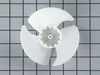
Fan motor making noise due to broken fan blade
1) Unplugged fridge and removed cover over light in freezer.
2)Removed screws holding cover over motor.
3) Removed screws on bracket holding motor in place.
4) Un plugged motor and used razor blade to cut grommet holding wires in place.
5) Plugged in new motor and routed wires through grommet. Then used zip ties to hold grommet together.
5) Re-attached motor bracket and installed new fan.
6) Reinstalled cover over motor.
2)Removed screws holding cover over motor.
3) Removed screws on bracket holding motor in place.
4) Un plugged motor and used razor blade to cut grommet holding wires in place.
5) Plugged in new motor and routed wires through grommet. Then used zip ties to hold grommet together.
5) Re-attached motor bracket and installed new fan.
6) Reinstalled cover over motor.
Parts Used:
-
James from Gainesville, VA
-
Difficulty Level:Easy
-
Total Repair Time:15 - 30 mins
-
Tools:Nutdriver
64 of 93 people
found this instruction helpful.
Was this instruction helpful to you?
Thank you for voting!
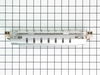
Not cold & saw ice accumulated on freezer back panel
-Disconnect the power supply wire& turn temp control inside refrigerator to 0!
-15 mins spent on remove (5 screws) the back panel inside freezer, melt ice then replace the heater (2 screws) on the bottom! Black wire on left & pink wire on the right! Make sure both end has good connection to the heater!
-30 mins to drain all water from the bottom (back side) of the refrigerator, suck & clean all dust & dirt from the front & back side!
-Set both temp control knots to 5 & put back all the food!
-If no ice build up on the panel after 10 days & then the repair is good!
-15 mins spent on remove (5 screws) the back panel inside freezer, melt ice then replace the heater (2 screws) on the bottom! Black wire on left & pink wire on the right! Make sure both end has good connection to the heater!
-30 mins to drain all water from the bottom (back side) of the refrigerator, suck & clean all dust & dirt from the front & back side!
-Set both temp control knots to 5 & put back all the food!
-If no ice build up on the panel after 10 days & then the repair is good!
Parts Used:
-
Eddie from Freeport, NY
-
Difficulty Level:Really Easy
-
Total Repair Time:Less than 15 mins
-
Tools:Screw drivers
52 of 64 people
found this instruction helpful.
Was this instruction helpful to you?
Thank you for voting!
ice maker tube would freeze up
installed new double water outlet and tube assembly and it fixed the promblem. I think the water valve was leaking by causing the tube to freeze up inside.
Parts Used:
-
Ed from Chesterfield, VA
-
Difficulty Level:Easy
-
Total Repair Time:15 - 30 mins
-
Tools:Nutdriver
50 of 59 people
found this instruction helpful.
Was this instruction helpful to you?
Thank you for voting!
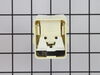
Fridge smelled like something electronic was burning
Removed the back cover of the fridge with it still pluged in. The next time the compressor tried to kick on, a small piece of black plastic next to the black tank caught fire, and then went out. I unpluged the fridge, unpluged the two wires feeding the black box. Then the box unpluged from the tank. I searched on the internet for the part using the model #. It ended up being a overload/ptc or relay. There was a smaller black box attached with I think is some sort of an overload. I unplugged the overload and it plugged right into the new relay I had overnighted. Although the new relay was white (not black) and the plug attachments were in different locations, it work great.
Parts Used:
-
BENJAMIN from LAKESIDE, CA
-
Difficulty Level:Easy
-
Total Repair Time:15 - 30 mins
-
Tools:Nutdriver
50 of 59 people
found this instruction helpful.
Was this instruction helpful to you?
Thank you for voting!