



















GMR05BLHWWC General Electric Dishwasher - Overview
Sections of the GMR05BLHWWC
[Viewing 4 of 4]


Keep searches simple, eg. "belt" or "pump".
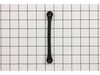
DAMPENING STRAP 2PACK
PartSelect #: PS18351785
Manufacturer #: WH01X39337
The tub dampening straps support the wash tub and reduce vibration by keeping the tub at the center of the cabinet. If your washer shakes and moves, or is making a loud banging noise during the wash c...
No Longer Available
D-Shaped Knob Clip
PartSelect #: PS268493
Manufacturer #: WH01X10106
Sold individually.
No Longer Available
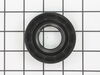
Tub Seal
PartSelect #: PS4704237
Manufacturer #: WH02X10383
The main tub seal is located between the transmission and the outer tub. It's the primary water seal in the outer tub for the transmission-shaft. This seal is difficult to replace and should probably ...
$27.58
Special Order
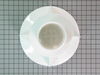
Dual Action Agitator
PartSelect #: PS1482519
Manufacturer #: WH43X10034
This does not come with the fabric dispenser - must order separately or use original part.
$142.92
Special Order
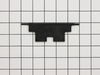
Door Handle Actuator
PartSelect #: PS2337860
Manufacturer #: WD13X10045
This is a handle actuator for your dishwasher. It is made of black plastic, and is sold individually. The handle actuator is found in the control panel, and it releases the door latch when you lift th...
$98.04
Special Order
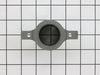
Tub Bearing
PartSelect #: PS271510
Manufacturer #: WH2X1198
This tub bearing goes in your washing machine. You will find it on the bottom of the outer tub, where the transmission goes through the tub. If you hear metal on metal when the washer is spinning, you...
$47.16
Special Order

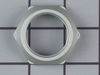
Hub Nut
PartSelect #: PS271505
Manufacturer #: WH2X1193
This part is the hub nut, or lock down nut for your washing machine. It is designed to hold the inner tub on to the transmission. If your hub nut is stripped or damaged, it may need to be replaced. T...
$29.12
Special Order
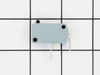
Switch Interlock
PartSelect #: PS1021382
Manufacturer #: WD21X10224
This switch interlock is found on your dishwasher door, and it must be actuated for the dishwasher to start. If your dishwasher door does not close properly, or if the machine will not start, you may ...
$31.65
Special Order
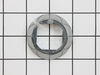
Split Ring
PartSelect #: PS1766022
Manufacturer #: WH02X10265
This split ring is two inches in diameter.
No Longer Available
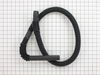
Drain Hose
PartSelect #: PS890597
Manufacturer #: WH41X10096
This drain hose is a replacement part for your top-loading washer. The hose measures 57 inches in length.
$79.66
Special Order
Common Symptoms of the GMR05BLHWWC
[Viewing 22 of 22]Leaking
Fixed by
these parts
these parts


Show All
Will not agitate
Fixed by
these parts
these parts


Show All
Will Not Start
Fixed by
these parts
these parts


Show All
Door latch failure
Fixed by
these parts
these parts


Show All
Will not dispense detergent
Fixed by
these parts
these parts

Show All
Will not drain
Fixed by
these parts
these parts

Show All
No hot or cold water
Fixed by
these parts
these parts


Show All
Not cleaning dishes properly
Fixed by
these parts
these parts
Show All
Marks left on clothes
Fixed by
these parts
these parts
Show All
Shaking and Moving
Fixed by
these parts
these parts
Show All
Spinning Issues
Fixed by
these parts
these parts


Show All
Door won’t close
Fixed by
these parts
these parts
Show All
Spins slowly
Fixed by
these parts
these parts
Show All
Does not dispense fabric softener or detergent
Fixed by
these parts
these parts

Show All
Burning smell
Fixed by
these parts
these parts
Show All
Noisy and Marks Left on Clothes
Fixed by
these parts
these parts

Show All
Draining Issues
Fixed by
these parts
these parts
Show All
Noisy
Fixed by
these parts
these parts

Show All
Water Filling Issues
Fixed by
these parts
these parts
Show All
Cycle Not Advancing
Fixed by
these parts
these parts

Show All
Touchpad does not respond
Fixed by
these parts
these parts

Show All
Not drying dishes properly
Fixed by
these parts
these parts

Show All
Keep searches simple. Use keywords, e.g. "leaking", "pump", "broken" or "fit".
washing machine would not go through all cycles or agitate
After removing frt panel which prys off I checked for anything obvious like a loose belt. Then I jiggled the magnet switch located on the inside of the loading cover. I saw the machine start agitating the it stopped again when I stopped touching it. I ordered the new part and spliced it in with the wire crip tool. Now the machine is A ok.
Parts Used:
-
Brian from Millerplace, NY
-
Difficulty Level:Easy
-
Total Repair Time:15 - 30 mins
230 of 294 people
found this instruction helpful.
Was this instruction helpful to you?
Thank you for voting!
Old Hose Had A Leak
First I removed the screws that held the hose drain hose clip in place. Removed the damaged hose. Placed the new drain hose clip at the end of the new drain hose. Re-inserted back in hole, pushed in hose to necessary depth then tighted screws, Very easy and painless.
Parts Used:

-
Anthonie from Beale AFB, CA
-
Difficulty Level:Really Easy
-
Total Repair Time:Less than 15 mins
-
Tools:Wrench set
129 of 146 people
found this instruction helpful.
Was this instruction helpful to you?
Thank you for voting!
soap door latch broken, wouldn't hold soap for later release in middle of cycle like it was supposed to.
Turned off power to unit, 'cuz it has a solenoid lead to open the soap door.
Removed the phillips head screws that held the door together. The screw are located on the inside edge of the door, there are 10-12 of them.
Spearated the door shells carefully, trying not to disturb the location of the wiring in the middle of the door.
Found the 4 screws that hold the module assembly to the door from the inside, and removed them.
Popped the assembly out, cleaned the gasket-seat area and placed the new one in place.
Carefully tightened the 4 screws. It is easy to over-tighten them, so only turn them until you feel they are snug. Let the gasket do the work.
Attached the two solenoid control wires in the same positions they were in before they were removed from the old assembly.
Re-assembled the door halves, again taking care to not over-tighten the phillips-head screws. One got "spun" and I removed it and re-set it into some epoxy.
Returned power to the dishwasher, and stopped washing dishes by hand.
Note: the latch is now made with a plastic that is more dense, and likely will not fail as soon as the original one did. I think GE learned something about the durability of their component plastics since this was originally built.
Removed the phillips head screws that held the door together. The screw are located on the inside edge of the door, there are 10-12 of them.
Spearated the door shells carefully, trying not to disturb the location of the wiring in the middle of the door.
Found the 4 screws that hold the module assembly to the door from the inside, and removed them.
Popped the assembly out, cleaned the gasket-seat area and placed the new one in place.
Carefully tightened the 4 screws. It is easy to over-tighten them, so only turn them until you feel they are snug. Let the gasket do the work.
Attached the two solenoid control wires in the same positions they were in before they were removed from the old assembly.
Re-assembled the door halves, again taking care to not over-tighten the phillips-head screws. One got "spun" and I removed it and re-set it into some epoxy.
Returned power to the dishwasher, and stopped washing dishes by hand.
Note: the latch is now made with a plastic that is more dense, and likely will not fail as soon as the original one did. I think GE learned something about the durability of their component plastics since this was originally built.
Parts Used:
-
James from Naperville, IL
-
Difficulty Level:Really Easy
-
Total Repair Time:15 - 30 mins
-
Tools:Screw drivers
100 of 108 people
found this instruction helpful.
Was this instruction helpful to you?
Thank you for voting!