



















GLD2850T10CS General Electric Dishwasher - Instructions
Keep searches simple. Use keywords, e.g. "leaking", "pump", "broken" or "fit".
soap door latch broken, wouldn't hold soap for later release in middle of cycle like it was supposed to.
Turned off power to unit, 'cuz it has a solenoid lead to open the soap door.
Removed the phillips head screws that held the door together. The screw are located on the inside edge of the door, there are 10-12 of them.
Spearated the door shells carefully, trying not to disturb the location of the wiring in the middle of the door.
Found the 4 screws that hold the module assembly to the door from the inside, and removed them.
Popped the assembly out, cleaned the gasket-seat area and placed the new one in place.
Carefully tightened the 4 screws. It is easy to over-tighten them, so only turn them until you feel they are snug. Let the gasket do the work.
Attached the two solenoid control wires in the same positions they were in before they were removed from the old assembly.
Re-assembled the door halves, again taking care to not over-tighten the phillips-head screws. One got "spun" and I removed it and re-set it into some epoxy.
Returned power to the dishwasher, and stopped washing dishes by hand.
Note: the latch is now made with a plastic that is more dense, and likely will not fail as soon as the original one did. I think GE learned something about the durability of their component plastics since this was originally built.
Removed the phillips head screws that held the door together. The screw are located on the inside edge of the door, there are 10-12 of them.
Spearated the door shells carefully, trying not to disturb the location of the wiring in the middle of the door.
Found the 4 screws that hold the module assembly to the door from the inside, and removed them.
Popped the assembly out, cleaned the gasket-seat area and placed the new one in place.
Carefully tightened the 4 screws. It is easy to over-tighten them, so only turn them until you feel they are snug. Let the gasket do the work.
Attached the two solenoid control wires in the same positions they were in before they were removed from the old assembly.
Re-assembled the door halves, again taking care to not over-tighten the phillips-head screws. One got "spun" and I removed it and re-set it into some epoxy.
Returned power to the dishwasher, and stopped washing dishes by hand.
Note: the latch is now made with a plastic that is more dense, and likely will not fail as soon as the original one did. I think GE learned something about the durability of their component plastics since this was originally built.
Parts Used:
-
James from Naperville, IL
-
Difficulty Level:Really Easy
-
Total Repair Time:15 - 30 mins
-
Tools:Screw drivers
100 of 108 people
found this instruction helpful.
Was this instruction helpful to you?
Thank you for voting!
Heating element rusted and cracked
The hardest part for me was pulling the dishwasher out from under the countertop. Once it is out all you have to do is disconnect the power (or power off the fuse going to the dishwasher) then look underneath the dishwasher and you will see where the two ends of the heating element come through. Disconnect the wires connected to the ends by simply sliding off the connector. Then remove the plastic "nuts" that screw onto the ends of the heating element by turning them counterclockwise counterclockwise. Once the nuts are removed you can reach inside the dishwasher and remove the old heating element and replace it with the new one. Then simply replace the plastic nuts and reconnect the wires and you are good to go.
Parts Used:
-
Jason from Jersey City, NJ
-
Difficulty Level:Easy
-
Total Repair Time:15 - 30 mins
89 of 95 people
found this instruction helpful.
Was this instruction helpful to you?
Thank you for voting!
Water leak, small puddle to front left of dishwasher
You'll need to remove the front toe kick and (if installed, the GE Profile baffling for additional silencing action).
You will need to disconnect the right wire connection to access the right screw (and may need to use a flat head screwdriver). You can then remove the 2 screws that hold the Valve Water Inlet on.
You will then need to loosen and the hose clamp that attaches the water line to the Valve Water Inlet. You may need to force it undone since the rubber connection is pretty secure around the water tube inlet.
Disconnect the plastic wire housing from the Valve Water Inlet and you should now have the Valve Water Inlet disconnected.
Reverse the order and reconnect everything and you should be good to go!
Double-check for any leaks prior to pushing everything back in :)
You will need to disconnect the right wire connection to access the right screw (and may need to use a flat head screwdriver). You can then remove the 2 screws that hold the Valve Water Inlet on.
You will then need to loosen and the hose clamp that attaches the water line to the Valve Water Inlet. You may need to force it undone since the rubber connection is pretty secure around the water tube inlet.
Disconnect the plastic wire housing from the Valve Water Inlet and you should now have the Valve Water Inlet disconnected.
Reverse the order and reconnect everything and you should be good to go!
Double-check for any leaks prior to pushing everything back in :)
Parts Used:
-
Greg from Burlington, VT
-
Difficulty Level:Easy
-
Total Repair Time:15 - 30 mins
-
Tools:Nutdriver, Socket set
65 of 85 people
found this instruction helpful.
Was this instruction helpful to you?
Thank you for voting!
Glasses and Cups contained baked on sand after washing.
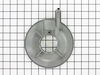
Removed the bottom tray, it just pulls straight out, once the tray was removed, the bottom revolving sprayer just lifts right off. Under this sprayer is a self-cleaning filter. There is a plastic piece that screws the filter into place, this part unscrewed easily by hand. Once unscrewed, the filter lifted straight up. I then reversed the process with the new filter and the problem was solved. Note: The old filter was full of sand and grime.
Parts Used:
-
Brian from Newburyport, MD
-
Difficulty Level:Really Easy
-
Total Repair Time:Less than 15 mins
57 of 65 people
found this instruction helpful.
Was this instruction helpful to you?
Thank you for voting!
seal around bottom of door leaking heavy water onto floor during use
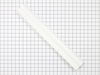
First you must remove all screws around inside door frame, and remove panel. (I would recommend using something to weight door down after removing panel from door as it will try to continue to close) Flip panel over and remove old seal by simply pulling off, paying close attention to how the seal is fitted and direction it faces. Clean area of any debris,and let the learning curve begin, after several frustrating attempts, I found it easier to install new seal by first installing it backwards by sliding seal along its track and groove, this will allow it to loosen up, then remove it and install the seal by lapping it over the the track and snapping/sliding it into place. The repair itself from the service center would of been $180.00 - $200.00, I did it myself for $39.00. I would recommend anybody with a sense of aptitude and patience to do this repair themselves. After some research I found out that this model and problem is a common repair, which is somewhat ridiculous in my opinion, as the machine itself is only 2 1/2 years old and it came pre-installed in a new home.
Parts Used:
-
John from Hillsboro, OR
-
Difficulty Level:A Bit Difficult
-
Total Repair Time:30 - 60 mins
-
Tools:Screw drivers
53 of 65 people
found this instruction helpful.
Was this instruction helpful to you?
Thank you for voting!
White latch on soap dispenser broken- would not latch
1. Remove the outside panel on the door by removing 10 phillips screws on inside of door. Outside panel will drop loose - do not let it drop.
2. There are 3 electrical plugs that will have to be removed. The first is a 2" long quick connect in the upper middle of the door panel - it will pull straight out. Remember where it makes its connection. Now the exterior door panel will drop down to the floor, pivoting on two axle screws at the bottom. The interior panel can be left vertical for ease of access.
3. The other two electrical connections are on the left side of the old dispenser and can be removed with a simple pull to the left.
4. Remove the six (6) phillips screws from the panel that hold the dispenser in position. Two retainers will also drop off, which hold the dispenser top and bottom.
5. Angle the dispenser and work toward the inside of the dishwasher, turning as necessary to remove from the opening.
6. Reverse the process for installation. Remember to reconnect all three electrical connections.
2. There are 3 electrical plugs that will have to be removed. The first is a 2" long quick connect in the upper middle of the door panel - it will pull straight out. Remember where it makes its connection. Now the exterior door panel will drop down to the floor, pivoting on two axle screws at the bottom. The interior panel can be left vertical for ease of access.
3. The other two electrical connections are on the left side of the old dispenser and can be removed with a simple pull to the left.
4. Remove the six (6) phillips screws from the panel that hold the dispenser in position. Two retainers will also drop off, which hold the dispenser top and bottom.
5. Angle the dispenser and work toward the inside of the dishwasher, turning as necessary to remove from the opening.
6. Reverse the process for installation. Remember to reconnect all three electrical connections.
Parts Used:
-
Alan from Marshall, VA
-
Difficulty Level:Easy
-
Total Repair Time:15 - 30 mins
-
Tools:Screw drivers
42 of 45 people
found this instruction helpful.
Was this instruction helpful to you?
Thank you for voting!
dishes were not coming clean. I found the pump that sprays water was not running
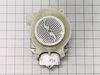
I noticed the circulation pump was not operating. If I turned the motor with a screw driver it would start running. I replaced the pump and now the dishwasher works like new. Very easy to replace the pump but you will have to pull out the dishwasher and turn on its back. I was able to confirm the circulation pump was the problem by observing the motor not running when it should but it would run once I turned the inside motor parts(be careful!). I also had to replace the center sprayer which again was very easy.
Parts Used:
-
Nick from CARNATION,, WA
-
Difficulty Level:A Bit Difficult
-
Total Repair Time:1- 2 hours
-
Tools:Pliers, Screw drivers, Socket set, Wrench (Adjustable)
38 of 44 people
found this instruction helpful.
Was this instruction helpful to you?
Thank you for voting!
Noise, Poor cleaning
Turned power off, removed dishwasher, tipped on side, removed and installed pump asym, reinstalled
Parts Used:
-
Vern from Orem, UT
-
Difficulty Level:Easy
-
Total Repair Time:15 - 30 mins
-
Tools:Nutdriver, Screw drivers
23 of 33 people
found this instruction helpful.
Was this instruction helpful to you?
Thank you for voting!
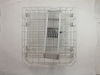
The lower rack of the dishwasher peeled in some spots and was showing rust
-
Nathan from San Diego, CA
-
Difficulty Level:Really Easy
-
Total Repair Time:Less than 15 mins
19 of 23 people
found this instruction helpful.
Was this instruction helpful to you?
Thank you for voting!
Soap dispenser latch broke - never worked right
This was a piece of cake. The original soap dispenser never worked right and always left unused soap. The new part was easy to install and works great. Only needed a 1/4" nut driver and philips screw driver to pull the outside panel and replace the module rinse and cap assy. Easy!
Parts Used:
-
Steve from Lincoln, CA
-
Difficulty Level:Really Easy
-
Total Repair Time:15 - 30 mins
-
Tools:Nutdriver, Screw drivers
16 of 17 people
found this instruction helpful.
Was this instruction helpful to you?
Thank you for voting!
door seal was never installed when machine was manufactured
removed two bottom screws on inside door panel and slid seal onto spline, reinstalled screws. Job done
Parts Used:
-
John from Lakeport, AL
-
Difficulty Level:Easy
-
Total Repair Time:Less than 15 mins
-
Tools:Screw drivers
14 of 15 people
found this instruction helpful.
Was this instruction helpful to you?
Thank you for voting!
Growling/vibration noise during the wash cycle.
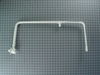
Hint on determining if the Main Conduit is the cause. Place a tapered flat piece of wood (wooden spatula) between the Main Conduit and rear of the dishwasher wall and remove any excess play.
Run the wash cycle and determine if the noise goes away or is reduced.
Removal and Replacement of the Main Conduit Assembly:
Opened the Dishwasher door and removed the lower and upper basket.
The upper basket required the two rubber gourmets on the front of the rail to be removed by inserting a flat bladed screwdriver between the top of white farthest tab towards the rear of the dishwasher of the rack slide end cap (PS2370502 – Item 652) and twist the screwdriver while gently pushing the top of the tab towards the rear of the dishwasher and gently pulling on the end cap (The rear tab needs to clear the upper rack slide).
Repeat this process on the other upper rack slide and remove the upper rack assembly.
Using a ¼ inch socket driver, remove the Main Conduit (PS651676 Item 585) screw located in the back of the Dishwasher wall and the screw from the upper spray arm (PS260547 Item 570) located on the roof of the unit.
Remover the lower Spray arm by gently pulling up and turning it counter clockwise.
Remove the fine filter hub nut (PS259078 item 454 ) by turning it counter clockwise and the fine filter (PS259068 item 452) The fine filter has a small tube going into the bottom of the dishwasher base that should be removed at the same time of the filter. Be sure to position it correctly when it is reassembled.
There is also a small stainless washer in the bottom of the fine filter housing. Take care not to loose it during the assembly and disassebly process
Remove the Main Conduit from the plastic assembly in the drain of the dishwasher by turning it counter clockwise. (Note, the new Main Conduit Assembly comes with this part pre assembled). Remove the same plastic piece from the new Main Conduit assembly by carefully lifting the clip on it.
Install the new piece back in the drain and tighten just prior to being pointed toward the back of the dishwasher.
Reassemble the Main Conduit to the drain piece and tighten it the remainder of the way and reassemble all parts in the reverse order they were removed.
Run the wash cycle and determine if the noise goes away or is reduced.
Removal and Replacement of the Main Conduit Assembly:
Opened the Dishwasher door and removed the lower and upper basket.
The upper basket required the two rubber gourmets on the front of the rail to be removed by inserting a flat bladed screwdriver between the top of white farthest tab towards the rear of the dishwasher of the rack slide end cap (PS2370502 – Item 652) and twist the screwdriver while gently pushing the top of the tab towards the rear of the dishwasher and gently pulling on the end cap (The rear tab needs to clear the upper rack slide).
Repeat this process on the other upper rack slide and remove the upper rack assembly.
Using a ¼ inch socket driver, remove the Main Conduit (PS651676 Item 585) screw located in the back of the Dishwasher wall and the screw from the upper spray arm (PS260547 Item 570) located on the roof of the unit.
Remover the lower Spray arm by gently pulling up and turning it counter clockwise.
Remove the fine filter hub nut (PS259078 item 454 ) by turning it counter clockwise and the fine filter (PS259068 item 452) The fine filter has a small tube going into the bottom of the dishwasher base that should be removed at the same time of the filter. Be sure to position it correctly when it is reassembled.
There is also a small stainless washer in the bottom of the fine filter housing. Take care not to loose it during the assembly and disassebly process
Remove the Main Conduit from the plastic assembly in the drain of the dishwasher by turning it counter clockwise. (Note, the new Main Conduit Assembly comes with this part pre assembled). Remove the same plastic piece from the new Main Conduit assembly by carefully lifting the clip on it.
Install the new piece back in the drain and tighten just prior to being pointed toward the back of the dishwasher.
Reassemble the Main Conduit to the drain piece and tighten it the remainder of the way and reassemble all parts in the reverse order they were removed.
Parts Used:
-
Walter from Maple Grove, MN
-
Difficulty Level:Easy
-
Total Repair Time:15 - 30 mins
-
Tools:Screw drivers, Socket set
18 of 28 people
found this instruction helpful.
Was this instruction helpful to you?
Thank you for voting!
Leaking water when in use.
Part was an exact match. Make sure to use plumber's tape on all threads. Had to really tighten fittings to prevent leaks. Screws are a little difficult to get to. Test for leaks first, before final installation.
Parts Used:
-
J from Walnut, CA
-
Difficulty Level:Easy
-
Total Repair Time:1- 2 hours
-
Tools:Pliers, Screw drivers, Socket set
16 of 22 people
found this instruction helpful.
Was this instruction helpful to you?
Thank you for voting!
Actuator was broken
When I first tried to fix the handle I could not figure out where the spring went. I went back online and looked at the diagram of the dishwasher on this site and learned where it went. Once I knew where every piece went it only took me about 5 minutes to put it back in and another 5 minutes to screw the cover back on. I am a newer homeowner and want to be able to do minor fixes. This was my first one and was very happy that I was able to do it on my own.
Parts Used:
-
Sally from Saint George, UT
-
Difficulty Level:Easy
-
Total Repair Time:Less than 15 mins
-
Tools:Screw drivers
15 of 20 people
found this instruction helpful.
Was this instruction helpful to you?
Thank you for voting!
Replacement of soap dispenser
I replaced the broken/cracked soap and Jet Dry dispenser (i.e. MODULE RINSE AND CAP ASM - part #PS1481889). (Water was leaking into the soap holder and hardening the soap into a lump before the door would open, rendering the soad useless).
Steps:
1) Unplugged the dishwasher.
2) Unscrewed the 6 screws holding the front stainless steel panel to the plastic door; set aside panel and insulation.
3) Unplugged two wires from small electric motor in broken ASM.
4) Unscrewed 6 screws holding ASM in place; easily slid out of door.
5) Slid in replacement ASM and put 6 screws back in (tightened snugly to make slightly warped door bend to new ASM).
6) Plug back in two wires into new ASM.
7) Re-attached stainless steel cover to door (having a 2nd person hold this in place while screwing would've helped).
All done - works like a charm! No more dirty dishes because the soap didn't work right...
Bottom line: If you have a phillips head screwdriver, you can do this repair. Easy to do.
Steps:
1) Unplugged the dishwasher.
2) Unscrewed the 6 screws holding the front stainless steel panel to the plastic door; set aside panel and insulation.
3) Unplugged two wires from small electric motor in broken ASM.
4) Unscrewed 6 screws holding ASM in place; easily slid out of door.
5) Slid in replacement ASM and put 6 screws back in (tightened snugly to make slightly warped door bend to new ASM).
6) Plug back in two wires into new ASM.
7) Re-attached stainless steel cover to door (having a 2nd person hold this in place while screwing would've helped).
All done - works like a charm! No more dirty dishes because the soap didn't work right...
Bottom line: If you have a phillips head screwdriver, you can do this repair. Easy to do.
Parts Used:
-
Bryan from Gilbert, AZ
-
Difficulty Level:Easy
-
Total Repair Time:Less than 15 mins
-
Tools:Screw drivers
13 of 15 people
found this instruction helpful.
Was this instruction helpful to you?
Thank you for voting!