



















GFAN1000L0WW General Electric Washer - Instructions
Keep searches simple. Use keywords, e.g. "leaking", "pump", "broken" or "fit".
Cracked drum spider from electolysis
Sandblasted spider to thoroughly clean it and increase ductility.We used aluminum foil covered in 5200 on one side to cover holes eaten through spider. Then glued the spider to the drum and filled inside rim of spider with a nice layer of 5200. If the spider was made of stainless steel, the washer would still be running great. Thanks
Parts Used:

-
Theo Welch from Long Beach, MS
-
Difficulty Level:A Bit Difficult
-
Total Repair Time:More than 2 hours
-
Tools:Pliers, Screw drivers, Socket set
Was this instruction helpful to you?
Thank you for voting!
washing machine not draining
First I removed the excess water by using my shop-vac both inside the machine as well as near the bottom drain valve. After cleaning out that valve (which somehow had accumulated a pair of underwear) it was apparent that the drainage pump motor was no working (loud hum, not spinning). Replacement was easy, folowing instructions found everywhere on-line. Now the machine is working perfectly again.
Parts Used:
-
Robert from Chappaqua, NY
-
Difficulty Level:Easy
-
Total Repair Time:15 - 30 mins
-
Tools:Screw drivers, Wrench (Adjustable)
Was this instruction helpful to you?
Thank you for voting!
Water leaking from the door boot area.
I watched the video and followed the instructions. First remove power. Remove the rear cover from the control panel and the top cover. Then remove screws that secure the control panel to the frame and remove the control panel. Remove the bottom cover. Then remove the lock ring that holds the rubber boot to the front panel. Remove the door and remove the water inlet pipe. Assemble the machine and run a test cycle.
Parts Used:
-
Jimmy from Zebulon, GA
-
Difficulty Level:Easy
-
Total Repair Time:30 - 60 mins
-
Tools:Nutdriver, Pliers
Was this instruction helpful to you?
Thank you for voting!
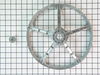
Rattling during the spin cycle
After I disconnected the power and water and turned the washer around. I removed the back panel cover and the top and back panel to get to the pulley wheel. Once I remove the retaining nut and pulley the wheel off the spindle, i compared the new and the old parts and noticed the obvious wear on the old part, luckily the spindle was not damaged and still functional. Placing the new pulley wheel was a little more challenging. Once I seated the pulley wheel with a gentle tap from a rubber mallet. I fitted the lock nut onto the spindle and continued seating the wheel evenly using the nut to the prescribed torque pressure. After I reassembled the washer and reconnected the water and power, tested the washer, and success!
Parts Used:
-
David from Wylie, TX
-
Difficulty Level:Easy
-
Total Repair Time:30 - 60 mins
-
Tools:Socket set, Wrench (Adjustable)
Was this instruction helpful to you?
Thank you for voting!