










CZS22MSKGHSS General Electric Refrigerator - Overview
Sections of the CZS22MSKGHSS
[Viewing 9 of 9]


Keep searches simple, eg. "belt" or "pump".

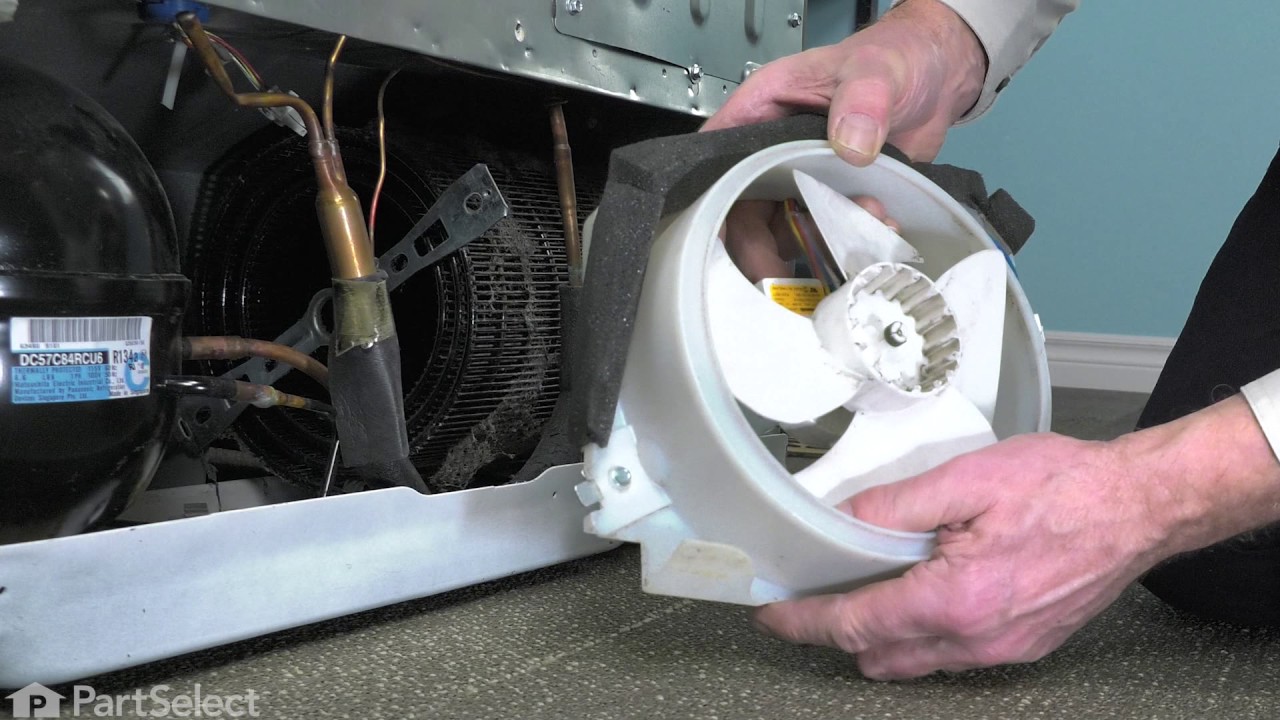
Condenser Fan Motor - 12V
PartSelect #: PS1483567
Manufacturer #: WR60X10209
This DC fan motor moves air across the condenser coils and compressor to help remove heat. A failed motor may cause poor cooling, a hot compressor, or humming and squealing sounds. Before replacing it...
$117.42
Special Order

MWF MANIFOLD
PartSelect #: PS17626590
Manufacturer #: WR02X45209
This part connects the filter to the water lines. ***NOTE: Filter is NOT included.
No Longer Available

Refrigerator Cover Middle Pan
PartSelect #: PS11767901
Manufacturer #: WR32X26245
This crisper cover helps keep your fruits and veggies fresh by sealing off the drawer area and supporting the glass shelf above. If your current cover is cracked or the glass doesn’t sit right, this r...
$108.81
Special Order

Grommet / Tube Assembly
PartSelect #: PS292253
Manufacturer #: WR17X11168
This is a replacement fill tube and grommet assembly for your refrigerator. This part acts your water line to your ice maker. If you’re noticing water in the back of the refrigerator or any kind of le...
$47.16
Special Order

Screw
PartSelect #: PS1483091
Manufacturer #: WR01X10615
10-16 pl pnp 5/8 szn - Sold individually.
No Longer Available


HOUSING SHIELD DISP GOLDEN-GREY
PartSelect #: PS16220243
Manufacturer #: WR17X34385
No Longer Available


GLIDE BUCKET Left Hand DISP
PartSelect #: PS3513459
Manufacturer #: WR72X10414
GLIDE BUCKET Left Hand DISP
No Longer Available

Common Symptoms of the CZS22MSKGHSS
[Viewing 12 of 12]Leaking
Fixed by
these parts
these parts


Show All
Not dispensing water
Fixed by
these parts
these parts
Show All
Freezer section too warm
Fixed by
these parts
these parts

Show All
Fridge too warm
Fixed by
these parts
these parts
Show All
Noisy
Fixed by
these parts
these parts
Show All
Ice maker not making ice
Fixed by
these parts
these parts
Show All
Ice maker won’t dispense ice
Fixed by
these parts
these parts

Show All
Fridge and Freezer are too warm
Fixed by
these parts
these parts
Show All
Light not working
Fixed by
these parts
these parts

Show All
Fridge runs too long
Fixed by
these parts
these parts
Show All
Will Not Start
Fixed by
these parts
these parts
Show All
Too warm
Fixed by
these parts
these parts
Show All
Keep searches simple. Use keywords, e.g. "leaking", "pump", "broken" or "fit".
Warm freezer and no ice
This story starts with a GE side-by-side refrigerator that has always had wide temperature swings and a temperamental water dispenser. The ice maker was not making ice, and the built in digital thermometer showed it was running warm. I suspected that the heat exchanger was full of dust and so looked there. What I found was that the condenser tank was hot to the touch and the fan wasn’t running. As an experiment, I aimed a fan at the it for a while I saw that the freezer temperature dropped back to normal.
.The fan is marked as 11.2 DC so I checked for voltage at the fan and found some. With three wires and no wiring diagram I wasn’t sure this answered all the questions, but hooking the fan to a 12 volt power supply didn’t get it to spin.
I priced parts at a couple websites before using partselect.com . They also have a good diagram to look at (Sears diagrams are really poor). I ordered the part with 2-day shipping; it arrived on time, was correct and fixed the problem.
.The fan is marked as 11.2 DC so I checked for voltage at the fan and found some. With three wires and no wiring diagram I wasn’t sure this answered all the questions, but hooking the fan to a 12 volt power supply didn’t get it to spin.
I priced parts at a couple websites before using partselect.com . They also have a good diagram to look at (Sears diagrams are really poor). I ordered the part with 2-day shipping; it arrived on time, was correct and fixed the problem.
Parts Used:
-
Paul from Suwanee, GA
-
Difficulty Level:Easy
-
Total Repair Time:30 - 60 mins
-
Tools:Nutdriver
95 of 134 people
found this instruction helpful.
Was this instruction helpful to you?
Thank you for voting!
fan not running
Removed rear and front grills,brushed and vacuumed area- probably caused the fan motor to fail- unplugged fan, removed fan,motor,and shroud in 1 piece, carefully slipped fan off motor shaft, unscrewed shroud and motor. assembled in reverse order. Frige is in tight area, .I'll now roll it out and clean often
Parts Used:
-
Ray from Bensalem, PA
-
Difficulty Level:A Bit Difficult
-
Total Repair Time:15 - 30 mins
-
Tools:Nutdriver, Socket set
75 of 105 people
found this instruction helpful.
Was this instruction helpful to you?
Thank you for voting!
Will not dispense water
The Top Filter Housing on this refrigerator contains some sort of Excess Flow Check Valve to prevent water flow if there is no filter installed. When the spring on this valve weakens over time, the valve closes unnecessarily with normal flow and chatters. This sounds like a woodpecker hammering on the side of your house and water flow is almost non-existant. You may have heard the same thing after you changed the filter if there was air in the system. The noise stops and you have normal water flow once the air is vented out of the filter. If you start hearing this noise unprovoked (filter has not been recently changed), the Top Filter Housing needs to be replaced. To replace this part, you will need a 1/4" and 5/16" nut drivers or sockets and two 1/2" open ended wrenches. You might also need plumber's putty. Shut off the water and have a bucket ready to drain the water into. Remove the lower cover from the back of the refrigerator. Disconnect the two hoses going to/from the top filter housing. One is connected to the main water line, the other is connected to the Water Fill Valve located in back of the refrigerator on the bottom left corner. Un-screw the cover plate from the back of the refrigerator and pull the plumbers putty out (can be re-used if still pliable). On the inside of the refrigerator, pull the plastic cap off the Top Filter Housing to expose the two screws holding it in place. Remove the two screws and pull out the Top Filter Housing with Tubing. Replacement is the reverse of what you just did. If the tubing is a little short, you will want to unbolt the Water Fill Valve from the refrigerator prior to re-connecting it to ensure a water tight connection.
Parts Used:
-
Thomas from Leland, NC
-
Difficulty Level:Easy
-
Total Repair Time:Less than 15 mins
-
Tools:Nutdriver, Wrench set
62 of 75 people
found this instruction helpful.
Was this instruction helpful to you?
Thank you for voting!