




















3RLSQ8033SW1 Whirlpool Washer - Instructions
Keep searches simple. Use keywords, e.g. "leaking", "pump", "broken" or "fit".
washer not agitating
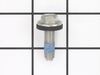
This was a learning experience but it appears to have worked out in the end. Our 3 1/2 year old washer was not agitating much and I attributed that to a loose bolt. I would tighten the bolt and it would work ok for a load or two and then stop agitating. I would find that the bolt was loose again. I took a number of steps to try to get the bolt to stay on tight - threadlock, a new bolt, more threadlock, and applying progressively more force on the bolt, with no better results. Yet the repair guys on you tube were saying the bolt only needs to be snug, not super tight - something was amiss. I even went so far as to secure the basket with a rope so I could use two hands on the socket wrench (please don't do this). But when I tried the washer again there was no agitation at all! I observed the agitation output in manual test mode and the bolt was turning in lock step with the shaft but the agitator wasn't turning at all. That's when I suspected that the problem was actually a worn lower agitator. Trouble was that now I couldn't seem to get the bolt off. Turning the wrench caused the shaft itself to rotate so I couldn't loosen the bolt from the shaft. I thought I broke the washer. Then I considered that maybe the shaft was rotating because the washer was in an agitation mode when I turned it off. I went back into manual test mode, made the washer spin, then turned it off. Fortunately, this worked. The shaft was again stationary and, albeit with great difficulty, I got the bolt off.
I removed the agitator, and as a pro would have figured out long before, the ridges inside the top of the lower agitator were almost completely worn down. I realized then that the contact between these ridges and the splines on the shaft is what is supposed to cause the lower agitator to move with the shaft. The purpose of the bolt is just to keep the agitator in the correct position and from coming off the shaft. I had been trying to compensate for the worn agitator ridges by over-tightening the bolt, creating some contact at the top of the shaft. This would work for a little while, then the agitator would start slipping, and the slipping agitator was acting just like a wrench loosening the bolt (until my stupid rope trick, that is.)
So I ordered a new agitator (only the lower agitator was bad, but the price of an entire agitator isn't a lot more than just the lower part and I was reading that the upper agitator parts will wear over time) and another new bolt (because my repeated attempts to over-tighten the first one I ordered had split the rubber gasket apart and worn the bolt head).
The new agitator fit snugly on the splines of the shaft so I sensed no need to use excessive force on the bolt. Just an easy one-handed snug tightening with the socket wrench, using the other hand to hold the lower agitator. The washer is now working again.
I removed the agitator, and as a pro would have figured out long before, the ridges inside the top of the lower agitator were almost completely worn down. I realized then that the contact between these ridges and the splines on the shaft is what is supposed to cause the lower agitator to move with the shaft. The purpose of the bolt is just to keep the agitator in the correct position and from coming off the shaft. I had been trying to compensate for the worn agitator ridges by over-tightening the bolt, creating some contact at the top of the shaft. This would work for a little while, then the agitator would start slipping, and the slipping agitator was acting just like a wrench loosening the bolt (until my stupid rope trick, that is.)
So I ordered a new agitator (only the lower agitator was bad, but the price of an entire agitator isn't a lot more than just the lower part and I was reading that the upper agitator parts will wear over time) and another new bolt (because my repeated attempts to over-tighten the first one I ordered had split the rubber gasket apart and worn the bolt head).
The new agitator fit snugly on the splines of the shaft so I sensed no need to use excessive force on the bolt. Just an easy one-handed snug tightening with the socket wrench, using the other hand to hold the lower agitator. The washer is now working again.
Parts Used:
-
David from EAST AMHERST, NY
-
Difficulty Level:Easy
-
Total Repair Time:15 - 30 mins
-
Tools:Socket set
19 of 20 people
found this instruction helpful.
Was this instruction helpful to you?
Thank you for voting!
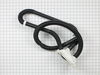
I bought a used washer from a friend and they had cut the drain hose short .
I got a pair of channel lock pliers and took off clamp on the hose, after laying wash machine on it's side, poped off a few little clips and replaced the hose, and now everything works perfect.
Parts Used:
-
Francis from Yuba City, CA
-
Difficulty Level:Really Easy
-
Total Repair Time:30 - 60 mins
-
Tools:Pliers
25 of 38 people
found this instruction helpful.
Was this instruction helpful to you?
Thank you for voting!
Although the motor was running, washer wouldn't agitate or spin.
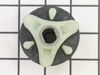
After disconnecting the electrical supply, first remove the two screws at either end of the control panel and fold it back away from the washer top. Then, unplug the electrical lid switch connection. Now, remove the two clips at either end on top to disconnect the housing from the washer back and chassis. The motor is sandwiched between the water pump in the front and transmission at the rear. The Direct Drive Coupling connects the rear motor shaft to the transmisson. After you have taken the outter portion of the washer off, remove the two snap clips that hold the water pump in place and slide the pump off the front shaft. Best to also disconnect the upper hose connection so the pump can be moved out of the way. Caution though, remaining water in tub will drain out. Now remove the two screws that hold the clips in place which secure the motor to the transmission. Careful, as the old Direct Drive Coupling is probably destroyed, the clips are the only thing holding the motor in place and the motor needs to be supported so it won't drop to floor when the clips are removed. Be careful not to lose the four rubber grommets which sit between the motor and transmission bracket. After motor is on floor remove the old plastic slip-on direct drive coupling discs from both the motor and transmission shafts. The new replacement discs have steel centers which do not slide onto the shafts as easily as the old plastic ones did. I had to tap the center steel portion onto the shafts using a hammer and a deep wall socket the same width as the steel portion of the disc. Be careful! I'm sure that tapping the plastic portion of the disc to properly seat it on the shaft will break it away from the steel portion. In my case, It took me several attempts to completely seat the new discs. I had to do quite a bit of tapping to get the discs seated far enough onto the shafts so that the motor slipped easily against the transmission bracket grommets and the retainer clips snapped back into place easily. Reassembly is simply reversing the steps you took when taking the unit apart. Before putting the outter housing back in place, I checked to make sure everything was running smoothly by jumping out the electrical snap-in connection for the lid switch and running the machine in the spin cycle. Remember, if you don't jump out the lid switch and just try to test the unit in the aggitate cycle, the machine has to first fill with water.
Parts Used:
-
Thomas from Commack, NY
-
Difficulty Level:A Bit Difficult
-
Total Repair Time:30 - 60 mins
-
Tools:Pliers, Screw drivers, Socket set, Wrench set
20 of 24 people
found this instruction helpful.
Was this instruction helpful to you?
Thank you for voting!
Top part of agitator broken
Removed the softerner dispenser and the inner cap and seal. Removed the mounting bolt. Pulled on Auger and entire agitator came out. I needed to separate the parts. It said to stand on the bottom and pull on the top. I am an "older" woman and after wrestling with it for an hour without success I waited for my nephew to come by to separate the two pieces. When he did, it popped apart and all the parts went flying. Poor guy thought he had broken it. After conviencing him that that was what I wanted it to do, he left. Dirrections weren't very clear as to what went on first and I didn't have the convience of seeing it before it flew apart. Finally put it together and replaced the bolt. To no avail, something was wrong. My sister was making the same repair at her house across the street so we double teamed it. She came over and told me that I needed to put the Bottom agitator in the machine, then the spacer thrust, then the auger, then the assembled cam and cam dogs, then the bolt. All went well and was working.......so we thought. Started a washer load and the washer started leaking water. Don't know why, still don't know why. All I did was remove everything, put it back the very same way, and it hasn't leaked since. Go figure!
Parts Used:



-
Marcellia from Ashland, KY
-
Difficulty Level:A Bit Difficult
-
Total Repair Time:30 - 60 mins
-
Tools:Socket set
24 of 38 people
found this instruction helpful.
Was this instruction helpful to you?
Thank you for voting!
Top Half of Agitator would not function without appying sideways pressure
Heard about the website... 1 minute to find it, 10 minutes to order new cogs... 3 day wait for new parts... Rec'd Fedex, 15 minutes total to pull the agitator cover (bleach dispenser) then the bung cover with o-ring (just lift out) expose bolt, unskrew and remove top portion of agitator or entire agitator if it's easier. Seperate, remove black cog holder (slides up the spindle) and replace cogs one at a time just like the old ones. Reassemble in reverse and you are back in business. Saved the $75 deductible on my home appliance warrenty. You guys are the best... cheers...
Parts Used:

-
Donald from Fredericksburg, VA
-
Difficulty Level:Really Easy
-
Total Repair Time:15 - 30 mins
-
Tools:Socket set
18 of 21 people
found this instruction helpful.
Was this instruction helpful to you?
Thank you for voting!
Agitator was barely agitating. Making a clicking noise.
Removed agitator cap. Removed bolt inside with socket wrench. Located plastic cogs Pulled out old cogs and slid in new cogs and put back together and works great. Easy to take apart and put back together. Very cheap repair. Cogs less that $4.00 plus shipping. Shipped next working day.
Parts Used:
-
Charmaine from Slidell, LA
-
Difficulty Level:Easy
-
Total Repair Time:15 - 30 mins
-
Tools:Socket set
17 of 18 people
found this instruction helpful.
Was this instruction helpful to you?
Thank you for voting!
Scratches in Surface
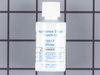
This product comes in a bottle with a brush like Liquid Paper. It goes on incredibly easy. A second coat might be needed. I wanted to prevent rust from setting in so I covered the scratches and dings. The paint is a little brighter since my washer is 10 years old but it still looks great.
Parts Used:
-
Michelle from Richardson, TX
-
Difficulty Level:Really Easy
-
Total Repair Time:Less than 15 mins
79 of 205 people
found this instruction helpful.
Was this instruction helpful to you?
Thank you for voting!
Water was leaking at the pump
Actually this is kinda funny. I ordered the part and it arrived when I was out of town on business. My 20 year old daughter tipped the washer up on its end, and replaced the pump herself in less than 30 minutes. Her only complaint was that no one told her to block the washer up as it almost fell on her.
Parts Used:

-
Paul from Painesville, OH
-
Difficulty Level:Really Easy
-
Total Repair Time:15 - 30 mins
-
Tools:Pliers, Screw drivers
17 of 21 people
found this instruction helpful.
Was this instruction helpful to you?
Thank you for voting!
Washing machine leaking water
First, I'm glad I found PartSelect. The previous posts for this repair told me exactly how to replace the pump: I unplugged the washer and moved it out away from the wall (did not need to disconnect water hoses). Then I tilted the washer back and propped it up so I could get underneath. Using pliers, slid hose clamps back and disconnected hoses from pump. Using a screwdriver, popped off two clips, top and bottom, that hold the pump in place. Pump then slides right off the shaft. Installation is the reverse. Make sure you align the shaft with the pump. Delivery of my part was FAST - ordered it and got it the next day!
Parts Used:
-
John from Oklahoma City, OK
-
Difficulty Level:Really Easy
-
Total Repair Time:Less than 15 mins
-
Tools:Pliers, Screw drivers
16 of 19 people
found this instruction helpful.
Was this instruction helpful to you?
Thank you for voting!
washing machine would not agitate clothes during cycles
first I removed the fabric softner and water seal from center of agitator, then I removed the bolt holding it on. All I had to do then is install new agitator with old bolt place water seal and fabric softner container back on and start washing clothes again. Very simple.
Parts Used:

-
Steven Lemons from Fort Greely, AK
-
Difficulty Level:Really Easy
-
Total Repair Time:Less than 15 mins
-
Tools:Socket set
16 of 19 people
found this instruction helpful.
Was this instruction helpful to you?
Thank you for voting!
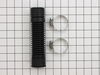
hoses had holes in them
Put clamps on hose end and then used some dishsoap on the inside of the hose to make pushing them into place easier once in place I placed the clamp in correct spot and used a screwdriver to tighten the clamps.
Parts Used:
-
Sharon from Dallas, TX
-
Difficulty Level:Really Easy
-
Total Repair Time:Less than 15 mins
-
Tools:Screw drivers
18 of 25 people
found this instruction helpful.
Was this instruction helpful to you?
Thank you for voting!
The top part of the Agitator was no longer working.
The repair was very easy. The only hard part was due to the age of the machine the cap covering the agitator assembly was stuck on the top.I had to use a very large pipe wrench to loosen it. Other than that the whole repair went very smooth. You will need an extension with the socket wrench in order to reach the screw holding down the agitator.I was very impressed with the service from Parts Select. I received my part very fast and it included everything I needed to complete the job.
Parts Used:
-
Ron from Germantown, OH
-
Difficulty Level:Really Easy
-
Total Repair Time:15 - 30 mins
-
Tools:Socket set
15 of 17 people
found this instruction helpful.
Was this instruction helpful to you?
Thank you for voting!
Agitator won’t work. Spins freely both ways
Followed YouTube video. Pull fabric softener cap off. Pull the clear round disk plug up and out with two fingers spread. Loosen bolt. Reach down at base of agitator and pull it out. Clean. Replace parts. Very straight forward doing a one for one swap. All parts were stripped. Good as new now.
Parts Used:
-
Gary from PUYALLUP, WA
-
Difficulty Level:Really Easy
-
Total Repair Time:30 - 60 mins
-
Tools:Socket set
14 of 14 people
found this instruction helpful.
Was this instruction helpful to you?
Thank you for voting!
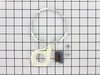
Washmachine wouldn't spindry
I removed three bolts from the transmission and two clips that hold the motor to the drive gear. I replaced the brake cam that had cracked and the lining. Now it works great ! Ordered part on Friday before two and it came Saturday at four.
Parts Used:
-
Chuck from South Holland, IL
-
Difficulty Level:A Bit Difficult
-
Total Repair Time:1- 2 hours
-
Tools:Pliers, Screw drivers, Socket set, Wrench set
15 of 17 people
found this instruction helpful.
Was this instruction helpful to you?
Thank you for voting!
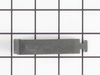
leaking drain pump. Obviously a common problem with this washer
Just turned the washer on its side, popped out the two retainer clips with pliers and screwdriver, pulled the pump out by hand, put the new one in and replaced one rusty clip with the new one from parts select, and used the other old one. I ordered the parts on Monday, and they came tuesday, even with the standard shipping. Also the website parts diagram and whole website design is good.
Parts Used:
-
John from Solana Beach, CA
-
Difficulty Level:Really Easy
-
Total Repair Time:15 - 30 mins
-
Tools:Pliers, Wrench (Adjustable)
15 of 17 people
found this instruction helpful.
Was this instruction helpful to you?
Thank you for voting!