

















1068378704 Kenmore Refrigerator - Instructions
Keep searches simple. Use keywords, e.g. "leaking", "pump", "broken" or "fit".
Icemaker arm was broken
The tiny piece of plastic that holds the wire that shuts off the icemaker, broke early on with our fridge (after just a few months.) We superglued it, but last week it bit the dust for good.
Once I got this part, I removed the freezer door and trays, and pulled the icemaker out by removing 3 flathead screws and unplugging the cables. Laying in the freezer on the floor was a bit unconfortable, but not too bad.
Then I inspected the icemaker. There was no obvious way to remove the part without disassembling the front of the unit (where the motor is) to release the spindle and free the part, so I did that - 3 or 4 nuts was all that held it together. Once that was out, I removed the spindle, swapped out the part, and put it all back together and back in the freezer. Plugged it in and waited.
It took a while to start making ice. Like 5 hours. Now it's going pretty slow (much slower than before.) Haven't had time to look into it, but my suspicion is the rubber hose that feeds water into the icemaker is blocked with ice or kinked. In any case, we have ice now (but not a lot), and the unit shuts itself off properly. However, we went from having too much ice (thing never shut off) to too little (thing makes ice too slow), so I need to shoot for somewhere in the middle ;)
Once I got this part, I removed the freezer door and trays, and pulled the icemaker out by removing 3 flathead screws and unplugging the cables. Laying in the freezer on the floor was a bit unconfortable, but not too bad.
Then I inspected the icemaker. There was no obvious way to remove the part without disassembling the front of the unit (where the motor is) to release the spindle and free the part, so I did that - 3 or 4 nuts was all that held it together. Once that was out, I removed the spindle, swapped out the part, and put it all back together and back in the freezer. Plugged it in and waited.
It took a while to start making ice. Like 5 hours. Now it's going pretty slow (much slower than before.) Haven't had time to look into it, but my suspicion is the rubber hose that feeds water into the icemaker is blocked with ice or kinked. In any case, we have ice now (but not a lot), and the unit shuts itself off properly. However, we went from having too much ice (thing never shut off) to too little (thing makes ice too slow), so I need to shoot for somewhere in the middle ;)
Parts Used:

-
Jason from Austin, TX
-
Difficulty Level:A Bit Difficult
-
Total Repair Time:30 - 60 mins
-
Tools:Nutdriver, Screw drivers
33 of 45 people
found this instruction helpful.
Was this instruction helpful to you?
Thank you for voting!
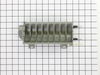
The black plastic or teflon coating on the ice mold was coming off in flakes and freezing in the ice cubes
I took out the ice collection box and auger to get access to the three screws holding the ice maker assembly against the left wall of the freezer. You can use a screwdriver or a nut driver. I then unpluged the assembly and wiggled it loose from the water fill tube. I assumed that unplugging the unit would disable the water valve but I put a plastic tub under the fill tube just in case. I studied the assembly on the kitchen table for a few minutes before I disasembled it. After removing a snapon plastick cover I removed three or four screws on the gearbox and was able to pull and wiggle the parts apart. The heater contacts have rubber O rings so you have to be firm pulling the mould out of and into the gearbox mount. Make sure it is fully seated. On reassembly note that the ice kicking arm is notched so it fits into the gearbox only one way and it helps to have it in position when you screw the gearbox back on. I also found the plastic ice guide that fits on top of the mold a little awkward in snaping back together. Make sure its fingers space evenly with the ice kicking arms.
Parts Used:
-
Roger from Sunnyvale, CA
-
Difficulty Level:Easy
-
Total Repair Time:30 - 60 mins
-
Tools:Nutdriver, Screw drivers
32 of 42 people
found this instruction helpful.
Was this instruction helpful to you?
Thank you for voting!
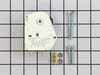
Defrost timer was faulty. It would not restart on it's own.
Just removed the old timer and attached the wires to the new one and replaced the old. That simple!
Parts Used:
-
Ed from Frankfort, IN
-
Difficulty Level:Really Easy
-
Total Repair Time:15 - 30 mins
-
Tools:Screw drivers
33 of 47 people
found this instruction helpful.
Was this instruction helpful to you?
Thank you for voting!
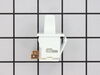
The light switch on the refridgerator broke - no light.
Once I saw the replacement part I understood how to pry out the switch with a small screwdriver. Then just unplug the old one, plug in the new one and pop it into place.
The PartSelect site made it easy to correctly identify the correct part, it was inexpensive, and the shipping was fast.
I'm very pleased!
The PartSelect site made it easy to correctly identify the correct part, it was inexpensive, and the shipping was fast.
I'm very pleased!
Parts Used:
-
David from Albany, OR
-
Difficulty Level:Really Easy
-
Total Repair Time:Less than 15 mins
-
Tools:Screw drivers
36 of 56 people
found this instruction helpful.
Was this instruction helpful to you?
Thank you for voting!
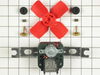
Evaporator Fan had quit running
After unplugging the fridge, I removed all the phillips head screws from the evaporator fan housing as well as the back cover and the bottom of the freezer compartment (7) in all. After first removing the bottom cover - then the back cover I could access the evaporator fan unit. This was held in place with two hex-head screws that were easily removed with a nut driver. Then after unplugging the Red, White, and Green wires from the fan I removed it and replaced it with the new one. I did have to break off the two ends of the mounting bracket as described in the instruction sheet since it was too wide. Repeating the above steps in reverse, I had the job done and refridgerator up and running as quiet as could be in less than 15 minutes.
Parts Used:
-
Duane from Piper City, IL
-
Difficulty Level:Really Easy
-
Total Repair Time:Less than 15 mins
-
Tools:Nutdriver, Screw drivers
25 of 28 people
found this instruction helpful.
Was this instruction helpful to you?
Thank you for voting!
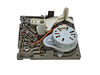
plastic gear broke off - cubes not getting kicked out
removed the three screw holding the broken unit - pulled off the old module.
Before I could install new module I had to loosen some fasteners on ice maker so I could turn shaft to align with new module.
Then push on new unit and three screws. Had tumbling ice in about an hour. My wife thinks I'm a hero. (I am)
Before I could install new module I had to loosen some fasteners on ice maker so I could turn shaft to align with new module.
Then push on new unit and three screws. Had tumbling ice in about an hour. My wife thinks I'm a hero. (I am)
Parts Used:
-
Laurence from Middleton, WI
-
Difficulty Level:Easy
-
Total Repair Time:15 - 30 mins
-
Tools:Nutdriver, Screw drivers
23 of 25 people
found this instruction helpful.
Was this instruction helpful to you?
Thank you for voting!
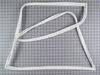
Needed to replace refrigerator door gasket
My refrigerator is 17 years old. The gasket seal around the door finally needed to be replaced. I ordered the part from Partselect.com. They had the cheapest price, including shipping. The part alone was still expensive, though, (almost $60!) for just being a piece of rubber.
There are little screws all around the inside of the refrigerator door, under which part of the gasket rests. A socket-set was needed to determine which one would fit the screws. The first step is to remove the old gasket. I discovered (the hard way!) that it makes sense to unscrew them a few at a time to remove the old gasket, and screw them back in, until you are ready to install the new one. My refrigerator door was not one "solid" piece. It is two pieces screwed together (with those little screws), and has insulation in the middle of the two pieces. If you unscrew too many at one time, the two pieces of the door will come apart, so don't do that.
When it was time to put the new gasket on, again, it made sense to do a few at a time. I started at the top of the door. Along with the screws, there is a metal rod that holds the gasket in place. Once you unscrew the screws, you place the back flap of the gasket underneath the metal rod. The gasket itself has holes that should line up with the holes for the screws. The rest of the gasket goes on top of the metal rod and screws. Then put the screws back in, using your socket wrench, and begin the next section (ie one side of the door). Work your way around the door, doing one side at a time. The bottom was the most difficult part to get to. Be careful not to run your fingers along the metal rod to push the gasket. I did cut my finger a bit. (Use something other than your finger to do the job.) The whole thing took me a while, but I got it done, while my HUSBAND sat and watched tv.
There are little screws all around the inside of the refrigerator door, under which part of the gasket rests. A socket-set was needed to determine which one would fit the screws. The first step is to remove the old gasket. I discovered (the hard way!) that it makes sense to unscrew them a few at a time to remove the old gasket, and screw them back in, until you are ready to install the new one. My refrigerator door was not one "solid" piece. It is two pieces screwed together (with those little screws), and has insulation in the middle of the two pieces. If you unscrew too many at one time, the two pieces of the door will come apart, so don't do that.
When it was time to put the new gasket on, again, it made sense to do a few at a time. I started at the top of the door. Along with the screws, there is a metal rod that holds the gasket in place. Once you unscrew the screws, you place the back flap of the gasket underneath the metal rod. The gasket itself has holes that should line up with the holes for the screws. The rest of the gasket goes on top of the metal rod and screws. Then put the screws back in, using your socket wrench, and begin the next section (ie one side of the door). Work your way around the door, doing one side at a time. The bottom was the most difficult part to get to. Be careful not to run your fingers along the metal rod to push the gasket. I did cut my finger a bit. (Use something other than your finger to do the job.) The whole thing took me a while, but I got it done, while my HUSBAND sat and watched tv.
Parts Used:
-
Denise from Philadelphia, PA
-
Difficulty Level:A Bit Difficult
-
Total Repair Time:1- 2 hours
-
Tools:Socket set
21 of 24 people
found this instruction helpful.
Was this instruction helpful to you?
Thank you for voting!
ice would not fall from ice maker
I ran all the ice maker module tests that I could find online, I tried cleaning the contacts inside the ice maker control module, nothing worked...so I finally decided to purchase a new control module. I had already had the module out and taken apart a few times, so the new one was very easy to install. Just removed the entire icemaker from the fridge, removed a few screws, took off the old module, put on the new one, replaced the screws, re-installed the icemaker in the fridge (it just slides in and out similar to a shelf). And 30 minutes later I heard the first batch of ice cubes drop! And by morning the bucket was nearly full. After two weeks of no ice and trying to fix it myself - the family was glad to have ice again (it was July in NC!). In retrospect, I should have followed the advice I found online and ordered the new part sooner and saved all of those frustrating hours of trying to "fix" the part myself.
Parts Used:
-
Greg from Cary, NC
-
Difficulty Level:Really Easy
-
Total Repair Time:15 - 30 mins
-
Tools:Screw drivers
22 of 30 people
found this instruction helpful.
Was this instruction helpful to you?
Thank you for voting!
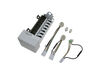
Over flowing Icemaker
Ice Maker would seem like it was the valve was leaking and Ice would build up at the rear of tray.
After listening to it cycle, (drop ice and fill) valve would open up again about 20 minutes later.
Over flowed and iceberg would form at rear.
Replaced icemaker unit and works fine now.
After listening to it cycle, (drop ice and fill) valve would open up again about 20 minutes later.
Over flowed and iceberg would form at rear.
Replaced icemaker unit and works fine now.
Parts Used:
-
Thomas from Flower Mound, TX
-
Difficulty Level:Really Easy
-
Total Repair Time:Less than 15 mins
-
Tools:Nutdriver
21 of 29 people
found this instruction helpful.
Was this instruction helpful to you?
Thank you for voting!
Water began to leak under the refrigerator. Source looked like it was coming from control valve suppling water to ice maker and water dispenser.
Followed instructions supplied. It was relatively easy and the parts fit exactly right. Sears wanted twice as much for the part and service would have charged me another $100 to come to my home. I saved over $100 doing the project myself.
Parts Used:

-
jesse from hacienda heights, CA
-
Difficulty Level:Really Easy
-
Total Repair Time:30 - 60 mins
-
Tools:Nutdriver, Pliers, Screw drivers
21 of 31 people
found this instruction helpful.
Was this instruction helpful to you?
Thank you for voting!
freezer making a squealing sound
First I Removed the racks. Next 3 hex bolts that secured the ice maker. Undid the ponytail wiring. 3 Phillips screws to remove the metal back. unplugged the Evaporator Fan Motor. Replaced the new one. reassembled.
Parts Used:
-
PAUL from Boiling Springs, SC
-
Difficulty Level:Easy
-
Total Repair Time:15 - 30 mins
-
Tools:Nutdriver, Screw drivers
17 of 20 people
found this instruction helpful.
Was this instruction helpful to you?
Thank you for voting!
paint on bottom of ice maker was flaking into ice
1. shutoff water
2. removed 3 screws holding old ice maker. A small nut or screw driver is needed to get into a somewhat tight area
3. detached electrical connector
4. cut indicated area for water inlet to lie in
4. attached new electrical connector (no splicing needed)
5. attached new ice maker with 3 screws
6. put on water
2. removed 3 screws holding old ice maker. A small nut or screw driver is needed to get into a somewhat tight area
3. detached electrical connector
4. cut indicated area for water inlet to lie in
4. attached new electrical connector (no splicing needed)
5. attached new ice maker with 3 screws
6. put on water
Parts Used:
-
Richard from Newburgh, IN
-
Difficulty Level:Easy
-
Total Repair Time:15 - 30 mins
-
Tools:Nutdriver, Screw drivers
17 of 21 people
found this instruction helpful.
Was this instruction helpful to you?
Thank you for voting!
Slow to produce ice & tray damage
Removed the top two screws and one on the bottom which attach the ice maker to the side of the freezer. I unclipped the wire bundle from the side of the ice maker and unplugged the connector, totally removing the unit . The maker came with several different wiring setups, but I just used the existing. The contol arm on the new unit basically snaps into place and the above process is reversed to install the new unit. My old ice maker had an accelerator which blows cold air to the bottom of the tray to speed up ice production. This component was undamaged and by taking off the new units outer end cap and borrowing the clips from the old unit, this component can be installed on the new ice maker.
Parts Used:
-
Tim from Leander, TX
-
Difficulty Level:Easy
-
Total Repair Time:30 - 60 mins
-
Tools:Nutdriver, Screw drivers
16 of 19 people
found this instruction helpful.
Was this instruction helpful to you?
Thank you for voting!
Following a brief power outage, it stopped producing ice. Harvester was at 6:00 with fingers frozen in ice cubes. Would make a batch if I freed the harvester and jumped the t-stat, but would quit again.
Unplugged refrigerator. Used nut driver to remove small bolt retaining wire cover on right side of ice maker. Removed wire cover, used flat head screw driver to depress side-rail clips. Ice maker slid out, unplugged. Timer module cover pops off easily. Three screws removed the timer module. Installation was reverse of removal. Had ice in less than an hour, bin was full by next morning. If you have a screw driver and know what it's for, this job should come easily.
Parts Used:
-
Joe from Pryor, OK
-
Difficulty Level:Really Easy
-
Total Repair Time:Less than 15 mins
-
Tools:Nutdriver, Screw drivers
18 of 26 people
found this instruction helpful.
Was this instruction helpful to you?
Thank you for voting!
Squealing evaporator fan
Unplugged the fridge, emptied the freezer, removed the panel screws, removed the fan assembly retaining nuts, slid the spade wire connectors from the tabs, and performed these tasks in reverse to have the fridge up and running like new. I am not an appliance repair person, but I am not intimidated by simple repairs. Your instructions were easy to follow, and the cry in the kitchen of "we need a new refrigerator" was silenced for less than $50.00. Thanks!
Parts Used:
-
JOHN from BEAVER, PA
-
Difficulty Level:Really Easy
-
Total Repair Time:15 - 30 mins
-
Tools:Nutdriver, Screw drivers
15 of 18 people
found this instruction helpful.
Was this instruction helpful to you?
Thank you for voting!