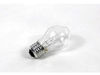
This 40-Watt light bulb is sold individually.
It is specially designed to withstand extreme temperatures, so this bulb is compatible with a variety of appliance types including refrigerators, ranges,...
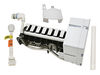
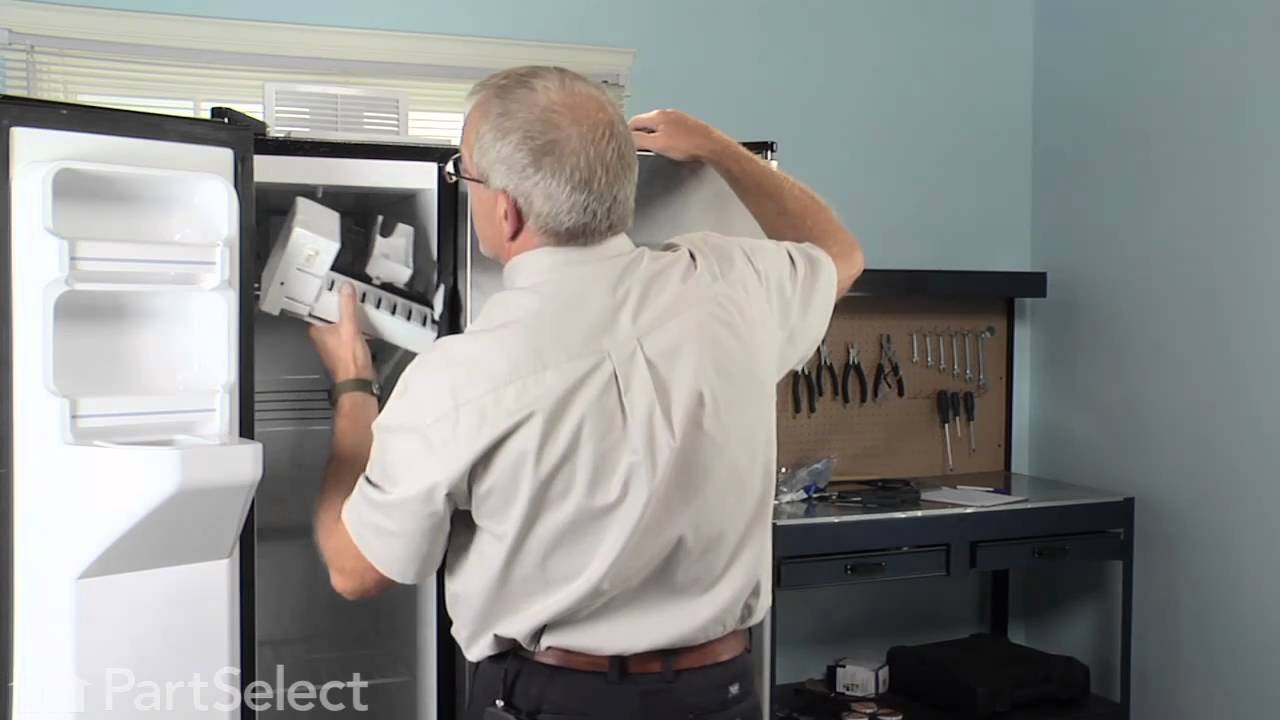
This ice maker assembly is used to make ice in your refrigerator. The ice maker receives water from the water inlet valve and will freeze until ice cubes are formed. Once the water has been frozen the...
This ice dispenser door flap, also known as a damper door, is designed to seal the ice chute in compatible refrigerator models, preventing warm air from entering the freezer compartment. Constructed f...
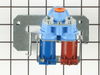
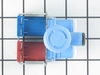
This part has one port and 2 solenoids and comes with a mounting bracket. The water valve is a solenoid-operated switch located at the bottom of the refrigerator. When it is energized by electrical p...
*Please note, this part is a substitute from the original. The valve is a new quick connect. No nuts or connectors are needed, just cut the old nuts off of the tubing and gently push them into the valve.
This water valve assembly has been redesigned. It has a new quick connect style valve. To install: Cut original plastic nuts off tubing and gently push into valve until they stop. No other nuts or connectors needed.
This is a decorative front cover that is made of plastic that covers the opening to where the icemaker is located and disables contact by the user while the icemaker is engaged.
Removed black cardboard covering on back of refrig with nut driver (6 screws), turned off water supply to pump, removed cooper waterline to pump with adjustable wrench, removed 1 screw holding pump to refrigerator, removed plastic waterline from pump by turning hose counter clockwise. Inserter plastic water line in new pump by screwing line in clockwise, pushed orange plastic stop around waterline into pump, connected cooper water line to pump first wrapping threads on pump with teflon plumbers tape, reinstalled pump to refrig and cardboard back on refrig with 6 screws.
One side note:.
This is the second pump which has burst at the blue plastic seam in seven years.
This is a side-by-side frige with water and ice dispenser in the left freezer door. I first checked for possible water line freezing in the freezer door or in the water chiller area (behind the vegetable drawers) as described in e-articles I had read, but this did not appear to be the problem. I found two solenoid valve pairs; one that routes dispenser or ice-maker water to the filter and the other that routes the water to the end device. I ran a couple of tests on the solenoid valves and found that the first inlet valve that sends water to the filter did not work, but the second valve that relays the water to the dispenser was still working. By temorarily connecting the wiring for the dispenser solenoid to the functioning ice-maker solenoid, I confirmed that the wiring and switch were working properly and that the problem must be the solenoid itself (it also still hummed when the dispenser button was pressed). The entire quad solenoid valve assembly can be pulled out after removing the one hex-screw on the back of the frige (the assembly is all held together with a bracket). I disconnected the wiring connector to the solenoid valves. I disconnected the plastic water tubing by pushing it toward the fitting and then depressing the tubing inlet ring to release the tubing. I removed the two screws holding the solenoid valve and replaced it.
I first shut off water flow to the fridge. Examination of the package (which was not exact in appearance to the original) demonstrated that the electrical connectors were well-insulated so I arrogantly and successfully proceded without disconnecting the power. My fridge is old enough that the model doesn't appear exactly on anyone's list so I wasn't alarmed that it took an extra 10 minutes or so to noodle out how to adapt the slightly different inlet cowling and electrical cord with extension, but the device is pretty simple. Soon I loosened the two mounting screws with a nut driver, used a screwdriver to pry away the plastic snap-in housing over the electrical socket on the fridge inner wall and pulled away the electrical plug. The original water fill tube remained in its cavity, ready for re-use. The new unit's mounting points matched the original screw locations perfectly, as did the fill cowling - which on the replacement icemaker has two possible attachment points. The new unit's electrical connector required an extension pigtail to adapt to my socket, but it was included in the package. The extra cable posed a minor cosmetic issue because it hangs in the collection basket a bit, but that will soon be remedied with a tie wrap. After the water was restored and an anxious wait of a few hours, we had well-formed ice cubes that weren't all stuck together and the stalactites haven't reappeared.