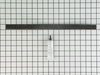
Has your dryer been making strange noises or not running as efficiently as it used to? It could be an issue with the Dryer Felt Seal. This genuine GE replacement part ensures your dryer drum glides sm...
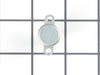
This part is found in the same location as the Terminal Block at the back of the Dryer. It acts as a safety device which prevents your appliance from overheating.
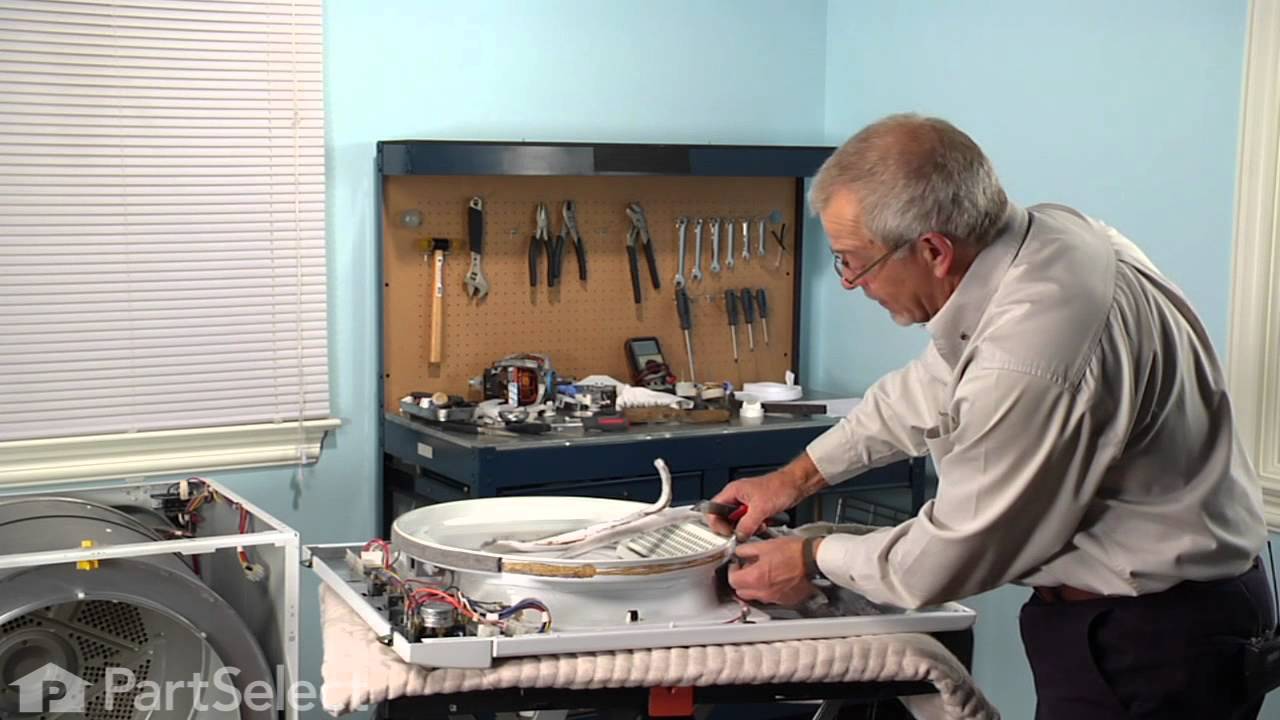
1. Removed face of dryer (drum 'holder') 2. Disconnected door switch wires 3. Tore off existing felt
NOTE: The length of the felt that I recieved from PartSelect was incorrect (too short). Since the existing felt was worn and torn at the top, I replaced only a length that matched the length of the new felt.
4. Used a razor blade-type gasket remover/scraper to remove the exisitng glue 5. Applied new glue (which comes with the felt) onto the felt and let it set up
NOTE: In hindsite, I would apply the glue to the drum holder instead, as the glue otherwise soaks into the felt. If applied to the drum holder instead, the glue will spread out and provide more surface area for adherence.
6. Installed the new felt, starting at one end and working my way around to the other end, being careful not to stretch it 7. Trimmed the remainder of the existing felt (see first NOTE) 8. Scraped the drum holder below the pulled away ends of the exisitng felt 9. Applied glue to the existing felt, including the trrimmed ends so that the ends do not pull away from the ends of the new felt 10. Re-attached the existing felt 11. Let the glue set-up overnight 12. Reinstalled the face of the dryer, turning the drum so that the felt will not get pushed away 13. Reconnected the door switch wires 14. Turned dryer on, with lid still raised, to check for any drifting of the felt 15. Once assured that the felt would stay in place, put the dryer in service
NOTE: I replaced the felt becasue of the gap that opened due to compression of the felt. The gap, as well as a torn piece of the felt that entered the interior of the drum, was catching clothes and tearing them as they were rotated between the drum and the drum holder. The new felt eliminated this problem.
I first ordered the replacement knob. It had broken before and I had repaired using a steel washer and epoxy to support the cracked plastic. When the support system I installed broke, I suspected a deeper problem; increased resistance to knob rotation in the control system. I removed the front panel to get back at the switch area. I wanted to lubricate the whole control, but UT seemed to be well sealed. Finding a couple areas where the plastic came together, held by a permanent metal mount, I used a pressurized silicone lubricant and sprayed into the small spaces. That allowed for easier rotation of the control, hopefully giving a longer lifespan to the new knob. DO