This part is the replacement drawer slide rail for your refrigerator. The crisper draw will slide in and out along this rail. If the rail is damaged or missing, the crisper will either hang from one s...
This 40-Watt light bulb is sold individually.
It is specially designed to withstand extreme temperatures, so this bulb is compatible with a variety of appliance types including refrigerators, ranges,...
This evaporator fan motor grommet, or condenser fan grommet is built for refrigerators. It provides a cushion between the fan motor and the motor mounting bracket. It is made or round, black plastic a...
You need your appliances at their best, one hundred percent of the time. That's why we have the GE Genuine Left Hand Slide Pan. This part is all about maintaining and enhancing the performance of your...
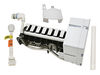
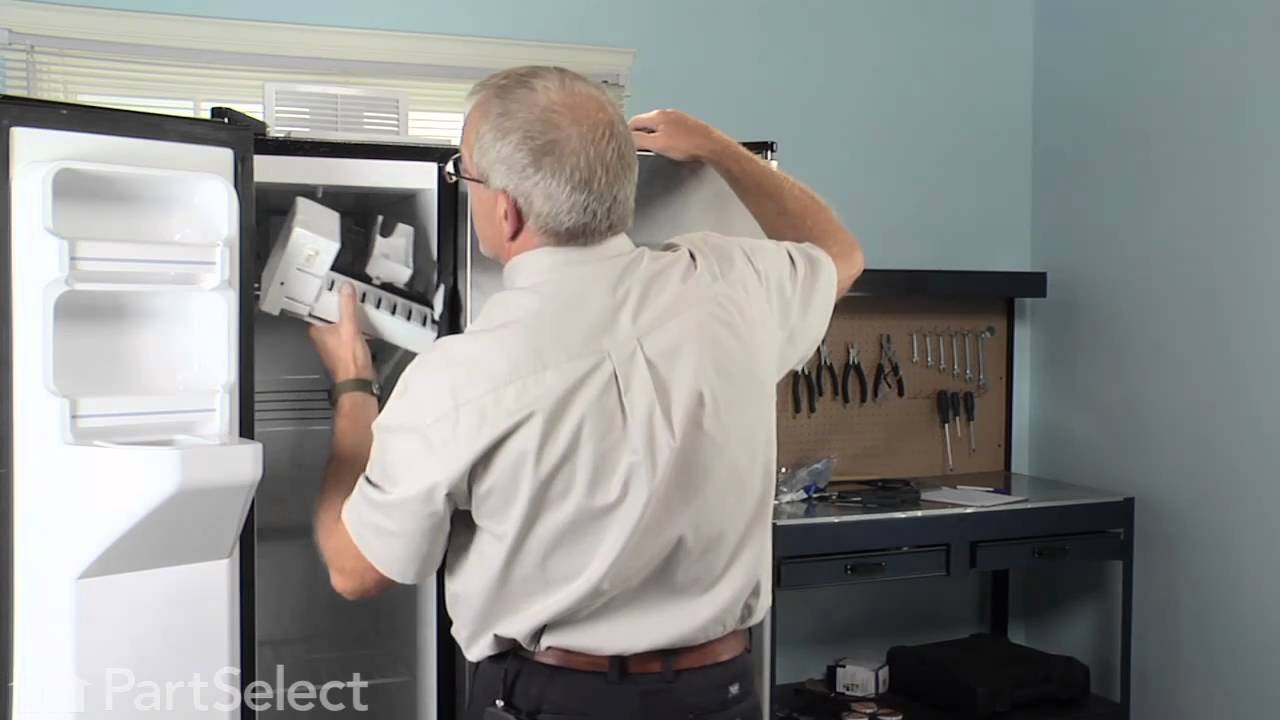
This ice maker assembly is used to make ice in your refrigerator. The ice maker receives water from the water inlet valve and will freeze until ice cubes are formed. Once the water has been frozen the...
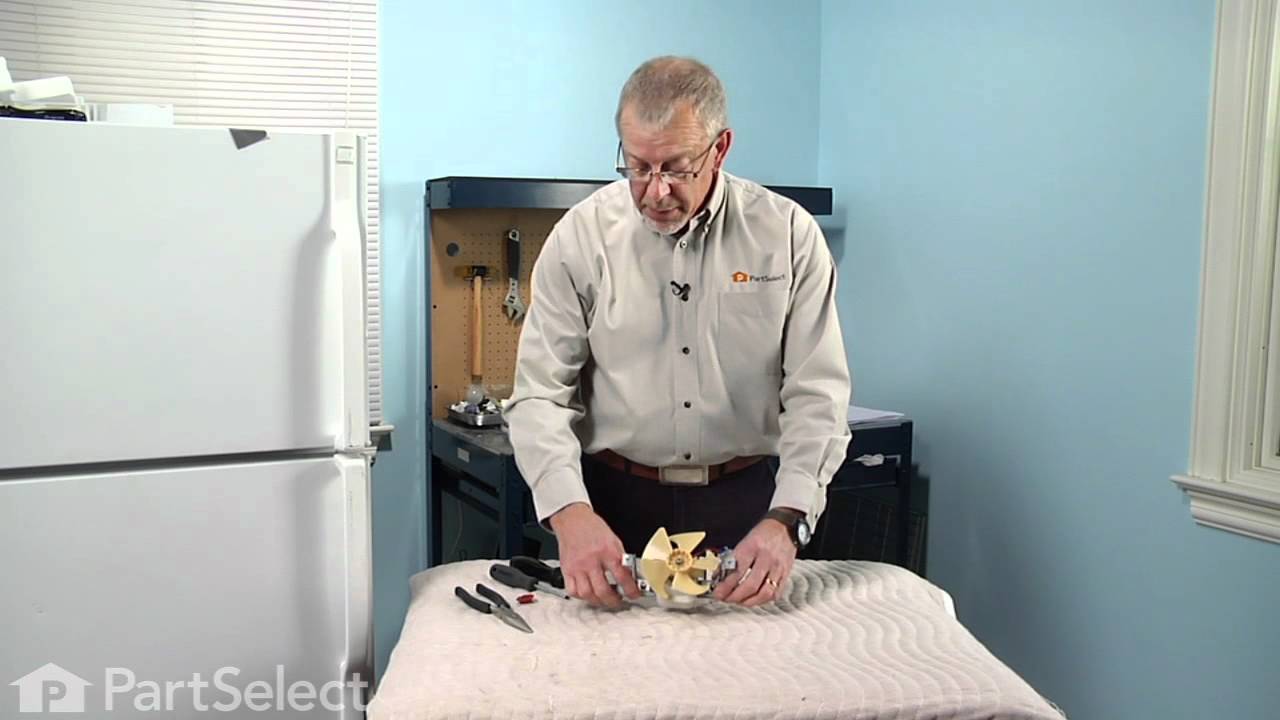
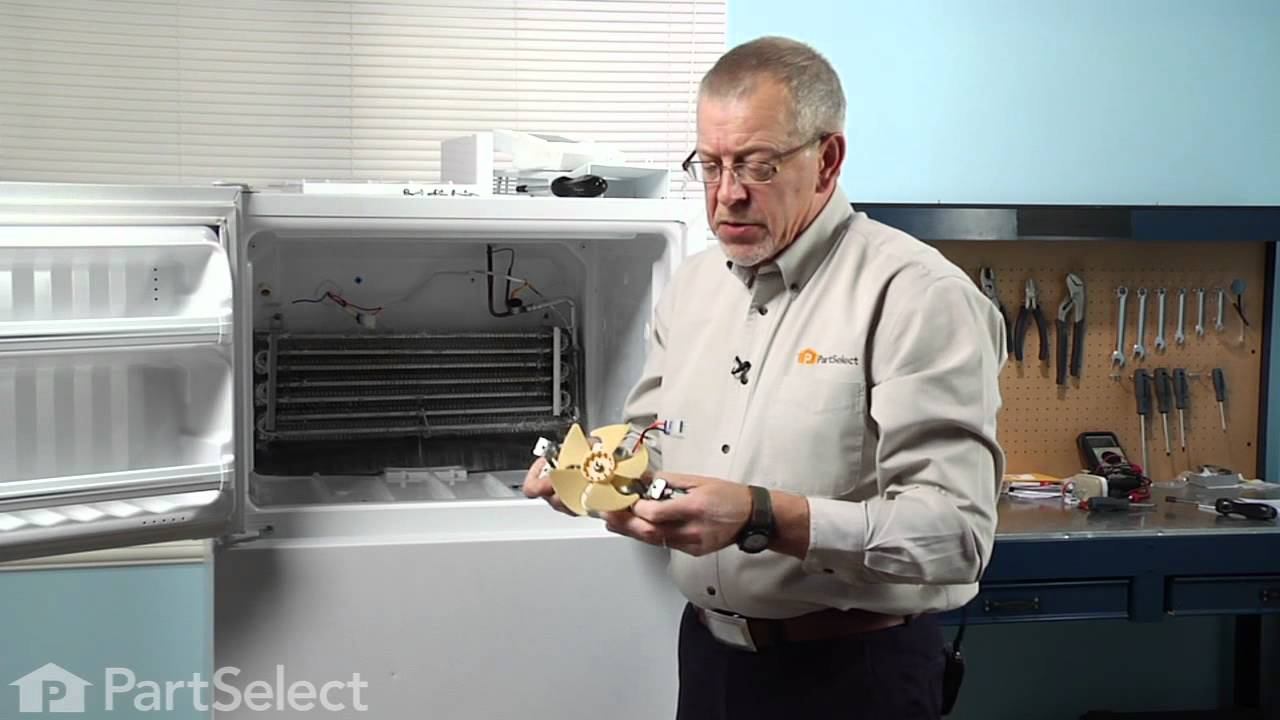
This fan motor is most times used with frost-free refrigerators with a condenser coil. When the compressor runs, so does this fan, circulating air through the refrigerator grille, cooling the compress...
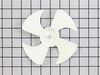
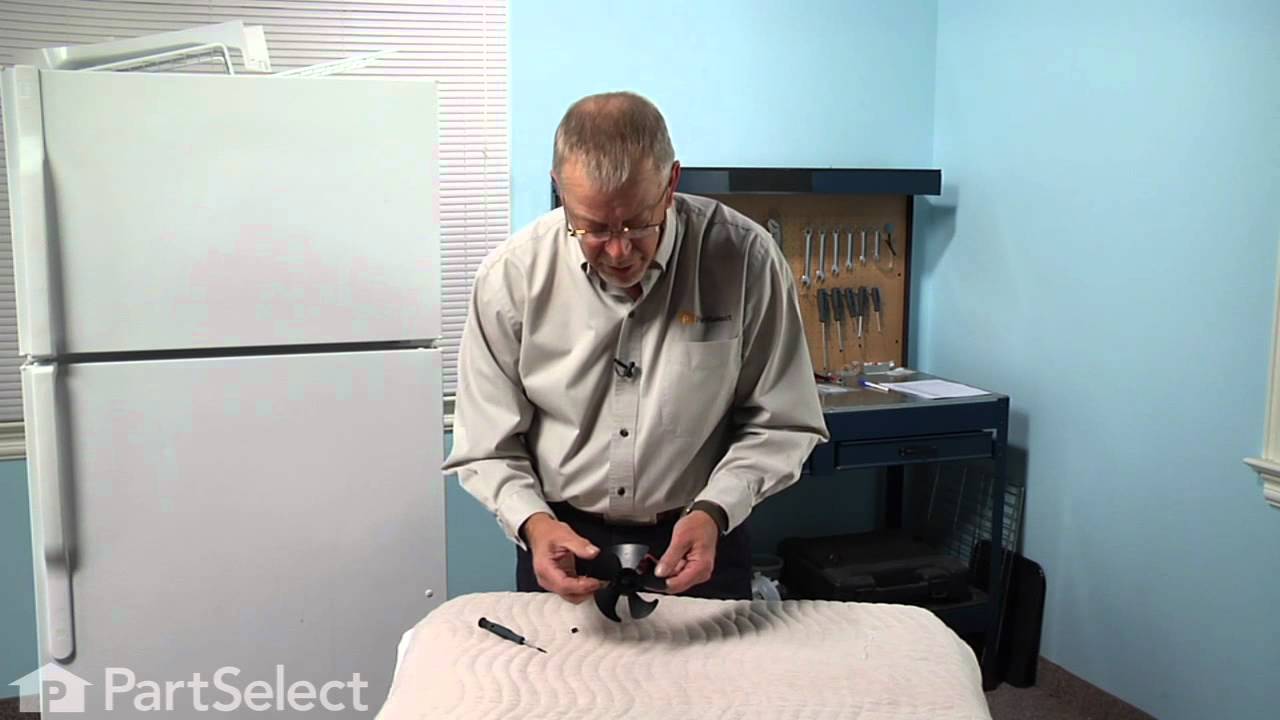
The condenser fan blade assembly helps to regulate the temperature in your refrigerator or freezer. This fan assembly has 4 blades, but other fans may have 3 blades, so be sure to check the number of ...
This is a replacement evaporator fan grommet for your refrigerator. The fan grommet absorbs the vibration from the evaporator fan motor for quiet operation while it runs. If your evaporator fan is unu...
The lid bumper or evaporator fan motor bumper in your refrigerator prevents the fan motor from scraping against the side bracket. If your refrigerator/freezer is noisy, the bumper could be worn down o...
$13.95
Special Order
Questions And Answers for GTL22JCPDRBS
Be the first to ask our experts a question about this model!
✖
Ask a Question
Ask our experts a question on this model and we'll respond as soon as we can.
My refrigerator began to overheat and the everything was thawing!! The condenser fan motor had seized and I thought this is something even I can replace.
I did a Google search on the refrigerator model number. The link to your site looked promising and I clicked on it. I was taken to your web page for my refrigerator and I clicked on the schematic for the condenser assembly.
The schematic had the parts I needed labeled clearly so this layman could be sure to get the right ones.
I ordered the parts at 12:45PM Monday and selected overnight shipping. The parts arrived at 8:35AM Tuesday (Thank you FedEx). I installed the parts and my refrigerator is up and running again.
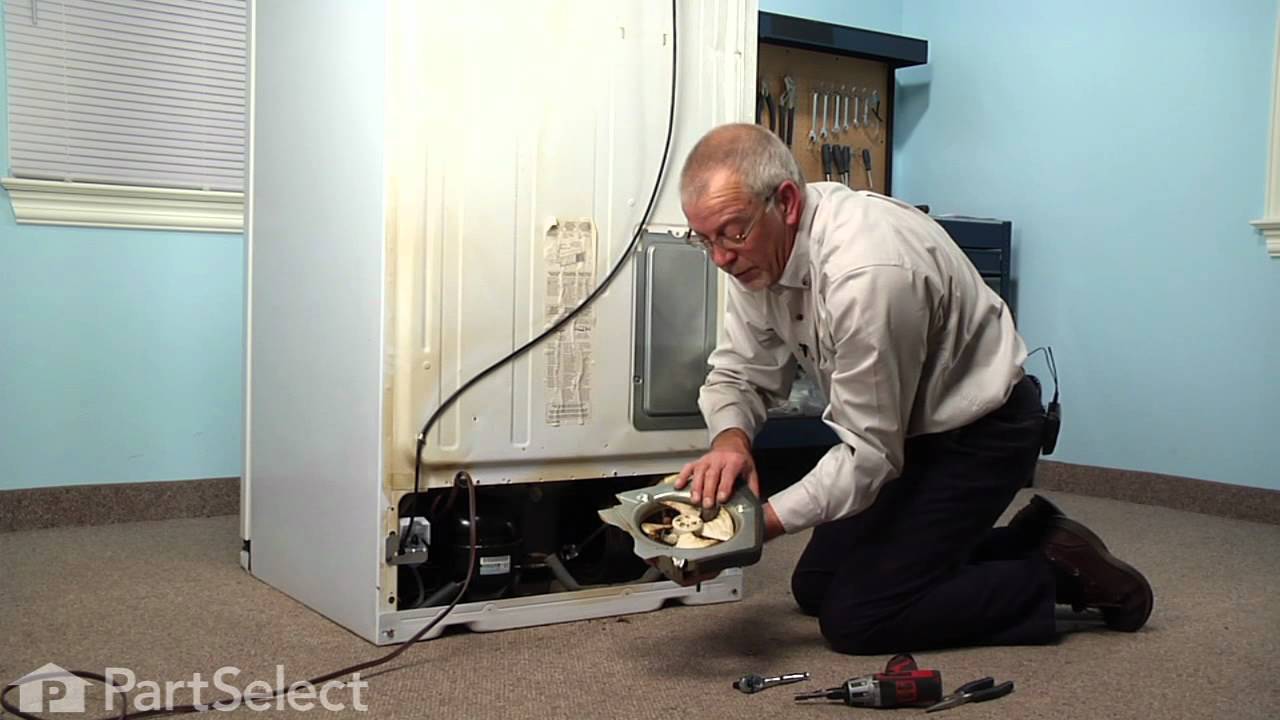
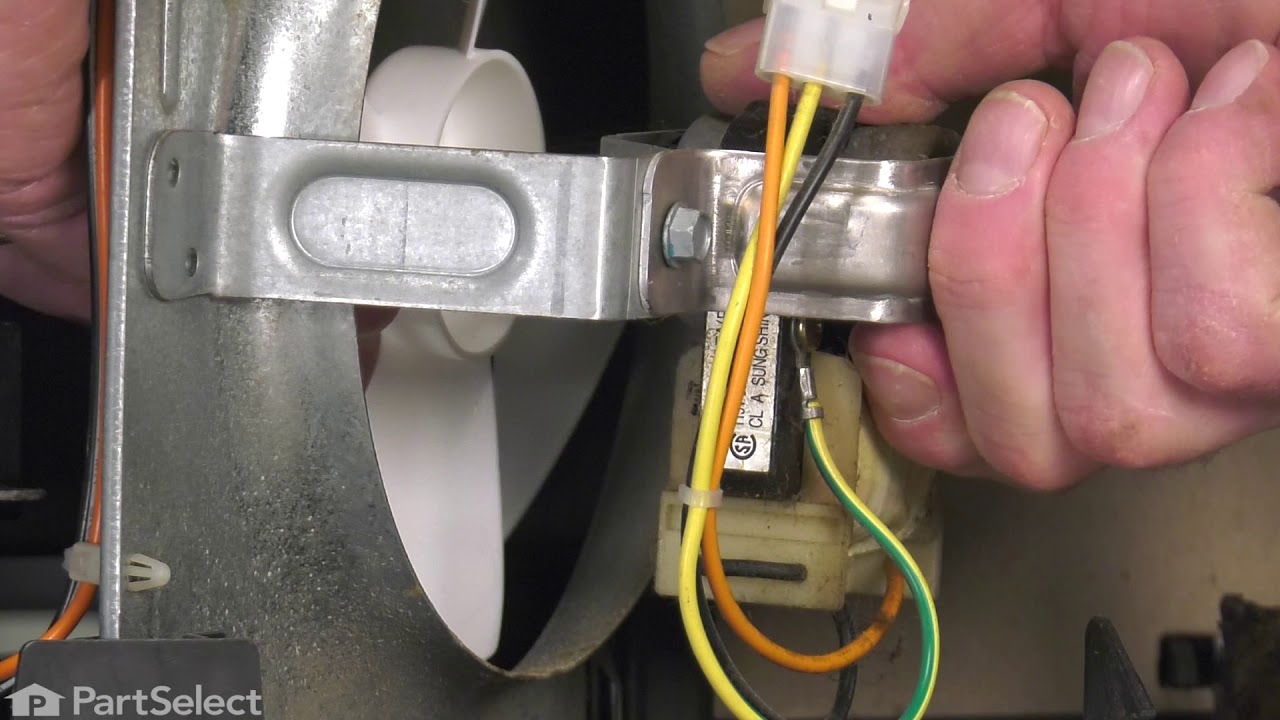
To get to the condenser fan motor I took off the back panel on the fridge that covers the condenser, fan and coil. The fan/motor assembly is attached to a bracket I removed with two screws. Pulled the bracket assembly out of the back of the fridge, removed the fan blade and then the motor, and put the new motor on the bracket and stuck the new fan blade on the motor spindle. The trickiest part was getting the complete assembly back in. Just went slowly and took my time. Reconnected the wires, no problems. I took pictures of everything that I disassembled BEFORE I disassembled it in case I wasn't sure how something went back in but this job was so simple I didn't need the pictures.
I’m not sure how I could improve on this except maybe you could ship a refrigerator technician, too, to do the install.
Thank you PartSelect everything worked out better than I could have hoped and I saved $220.00 compared to what a repair service was quoting.
I first shut off water flow to the fridge. Examination of the package (which was not exact in appearance to the original) demonstrated that the electrical connectors were well-insulated so I arrogantly and successfully proceded without disconnecting the power. My fridge is old enough that the model doesn't appear exactly on anyone's list so I wasn't alarmed that it took an extra 10 minutes or so to noodle out how to adapt the slightly different inlet cowling and electrical cord with extension, but the device is pretty simple. Soon I loosened the two mounting screws with a nut driver, used a screwdriver to pry away the plastic snap-in housing over the electrical socket on the fridge inner wall and pulled away the electrical plug. The original water fill tube remained in its cavity, ready for re-use. The new unit's mounting points matched the original screw locations perfectly, as did the fill cowling - which on the replacement icemaker has two possible attachment points. The new unit's electrical connector required an extension pigtail to adapt to my socket, but it was included in the package. The extra cable posed a minor cosmetic issue because it hangs in the collection basket a bit, but that will soon be remedied with a tie wrap. After the water was restored and an anxious wait of a few hours, we had well-formed ice cubes that weren't all stuck together and the stalactites haven't reappeared.
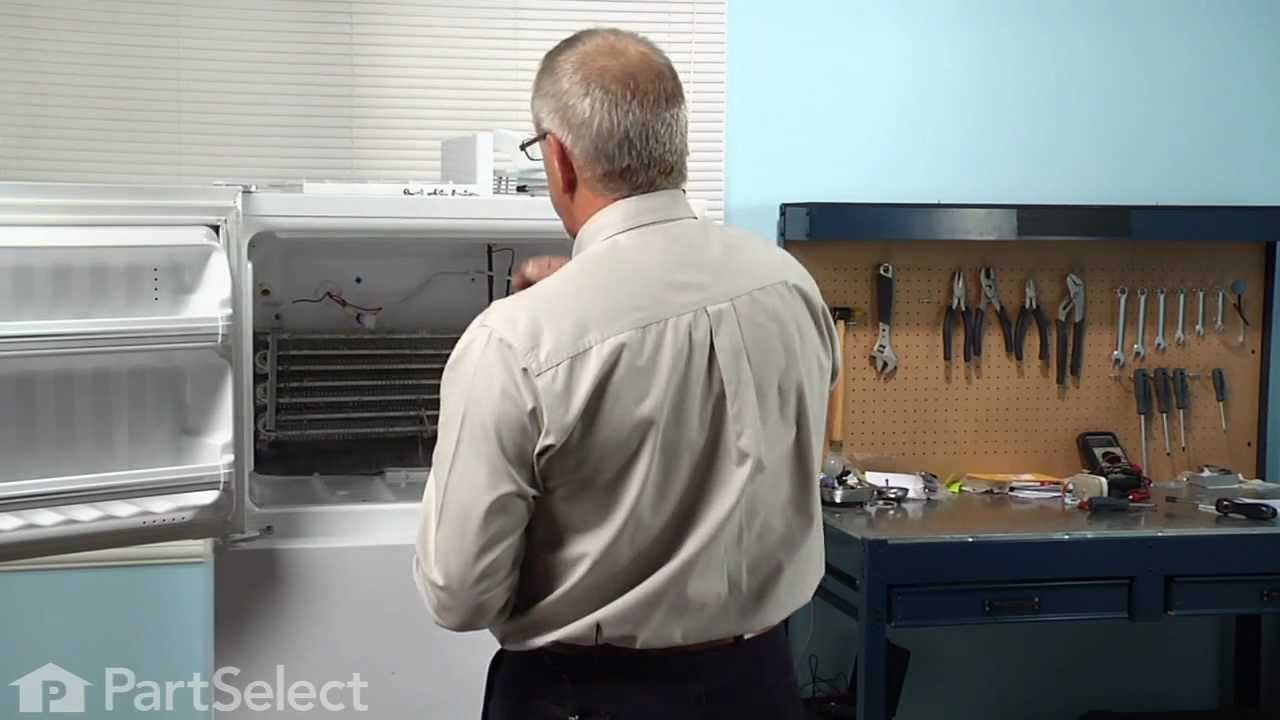
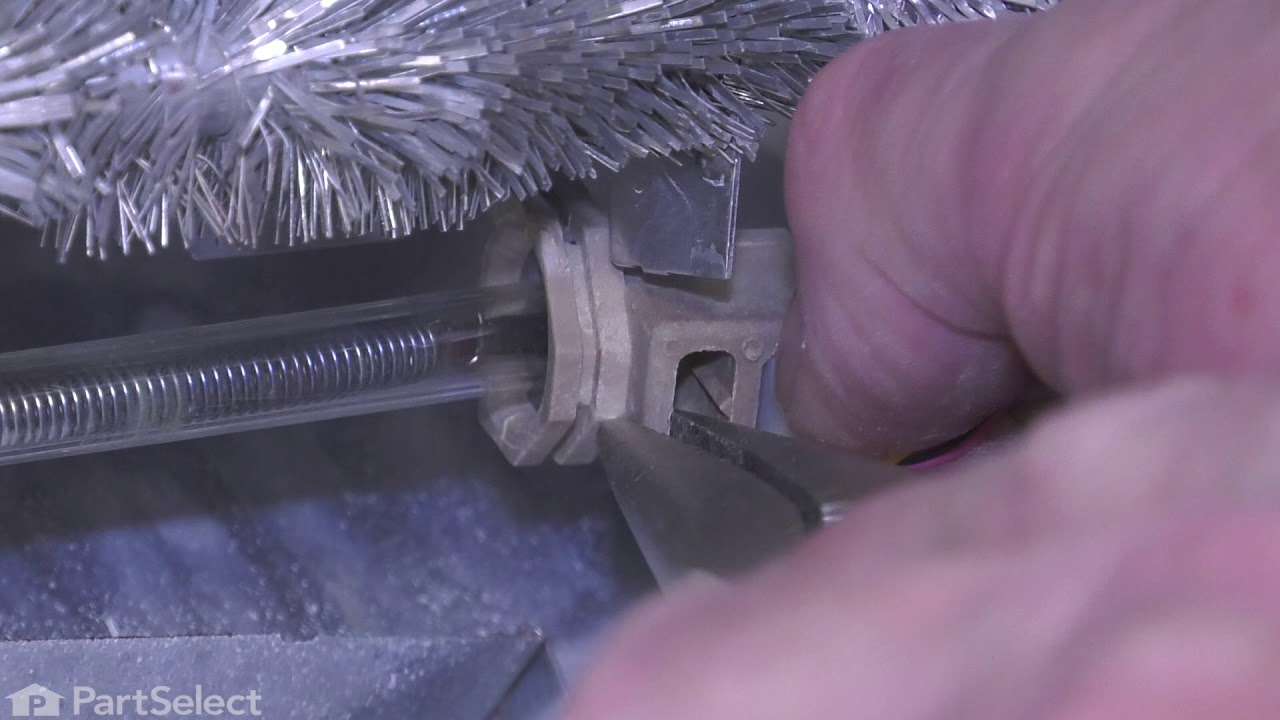
After determining that it was the defrost system, I ordered the thermostat. Make sure you look closely. Mine had two thermostats, and so I had to wait a couple of days for the extra part. 1. Remove ice maker if installed. 2. Remove center casing on ceiling and back wall. There may be two screws that need removed. 3. Locate and remove two screws on upper back wall. 4. Remove back wall carefully, revealing coil system. 5. If this was the problem, the coils will be iced over and need thawed. Either time or a hair dryer... 6. The thermostats clip onto the copper tubing, simply pull them off, keeping close attention to the color of the wires. 7. Be very careful touching the bottom of the coils as the defrost conductor coils are along the bottom and encased in easily breakable glass. If you need to replace this as well, remove the center brace (wire)by pulling towards you and then down. remove wire attachments at both ends and rotate coil out of end braces. 8. Replacing thermostats...you must CUT the wires, and attach new thermostats with wire couplers or wire nuts and then wrap with electrical tape that is rated for the cold. 9. Re-attach all parts and replace back wall and coverings. 10. Enjoy!