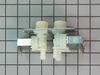
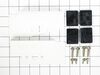
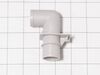
This is the replacement water valve for your washer. It has 2 inlets and 3 outlets. The water valve connects to the water source and solenoid wires, and ensures the tub has the right amount of water e...
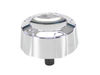
Facing trouble with your dryer settings due to a worn-out knob? The GE Control Knob is exactly what you require. This is not just any part; it's a vital element for your GE dryer that aids you in regu...
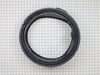
This washer belt helps the drum spin by connecting the motor to the drive system. If your washer isn’t spinning, makes strange noises, or smells like something’s burning, the belt might need replacing...
Need to get your GE appliance back to its prime working condition? We have the ideal solution for you - a top-tier inside drain hose. This indispensable part is a crucial element for your appliance, e...
No Longer Available
Questions And Answers for GFW400SCM0WW
Be the first to ask our experts a question about this model!
✖
Ask a Question
Ask our experts a question on this model and we'll respond as soon as we can.
I called a repair person to check my 15 months old GE front loader washer that stopped in rinse mode. After his inspection he said it was a deffected computer board and it would be very expensive to replace the 3 computers boards inside and it would be cheaper to buy a new top loader washer. The next day I lifted the top cover and found a taped plastic envelope with instructions titled “For service Technicians Only." On page 2, instruction on to how to enter the washer in to service mode and to test the washer: Press : Signal, Delay, Signal, Delay (within 30 seconds of plug in washer) Then rotate main knob to #102 and press Start:(the washer did a test for finding the problem) , and for me was : E22 , it means : replace solenoid valve assembly. So I order the part from Partselect.com for $58.00 and my Washer runs beautiful, thanks to the instructions inside.
Removed three 7mm sheet metal screws from the bottom front panel. The drain pump is in the front right. Removed the manual drain screen to drain residual water from the system. A bucket was necessary to collect all the water. Disconnected the inlet and outlet hose. Disconnected the electric supply. Removed two Phillips screws holding the pump to the bottom of the machine. Slid the pump towards the rear to clear the support pegs and removed it from the front opening. Installation is the reverse of those steps.
~Unplugged ~Removed front bottom and rear center panel ~Removed broken dampers. Varying difficulty; other components in the way. Used socket to help push pin out with screwdriver and pliers to help remove the pin. ~Installed New Dampers: Used Small (6") crescent wrench for top. Fitting two (2) hands in there, one to hold and one to turn was a challenge for all four (4) dampers. Had to extend a couple to wedge to damper in there to hold the arrow hear flush. Installing the pins in the bottom was somewhat easier than the top. I broke the retaining pin completely off an old pin to align the new damper to the base mounting hole (hard to see in there). Used Pliers, a long screwdriver and rubber mallet. Note my situation was in a very small room. So small I had to remove the door to the room so that I could pull the washer out to get behind it. The warnings about sharp edges should not be ignored! Long sleeves (chainmail) and steel fish fillet gloves might help!