










E30EW7CGPS4 Electrolux Wall Oven - Overview
Sections of the E30EW7CGPS4
[Viewing 6 of 6]


Manuals & Care Guides for E30EW7CGPS4
Click to downloadInstall
Installation Instructions
(3.49MB)
Install
Installation Instructions
(6.01MB)
Manual
Owner's Manuals
(2.01MB)
Manual
Owner's Manuals
(25.37MB)
Specs
Product Specifications Sheet
(0.79MB)
Wiring
Wiring Diagram
(0.43MB)
Keep searches simple, eg. "belt" or "pump".

Main Terminal Block Kit
PartSelect #: PS471605
Manufacturer #: 5304409888
Terminal blocks (also called terminal boards or strips) provide a convenient means of connecting individual electrical wires.
$48.78
In Stock
Order within the next 48 mins and your part ships today!

Temperature Sensor
PartSelect #: PS11758156
Manufacturer #: 5304504897
This oven temperature sensor, also known as an oven probe, monitors the internal temperature of the oven cavity to ensure accurate and consistent heating. Measuring 6 inches in length and made of dura...
$62.31
In Stock
Order within the next 48 mins and your part ships today!

Meat Probe Sensor
PartSelect #: PS11757868
Manufacturer #: 5304504202
$145.14
In Stock
Order within the next 48 mins and your part ships today!

Convection Fan Blade
PartSelect #: PS3409337
Manufacturer #: 318398302
This convection fan blade is designed for use with various makes and models of range and oven and is sold as an individual part. Made of metal and measuring approximately 4.75-inches in diameter, this...
$43.07
In Stock
Order within the next 48 mins and your part ships today!

Convection Motor
PartSelect #: PS1993372
Manufacturer #: 5304463302
$333.10
In Stock
Order within the next 48 mins and your part ships today!

Fan Blade Retainer Nut
PartSelect #: PS439475
Manufacturer #: 316136600
Sold individually.
$39.95
In Stock
Order within the next 48 mins and your part ships today!

Bake Element
PartSelect #: PS3655318
Manufacturer #: 318601604
This hidden bake element is an essential heating component located beneath the oven floor panel, providing consistent heat for baking, roasting, and warming. Designed with a durable ceramic sheath to ...
$314.34
In Stock
Order within the next 48 mins and your part ships today!

Oven Door Light Switch
PartSelect #: PS1146808
Manufacturer #: 316445501
$107.17
In Stock
Order within the next 48 mins and your part ships today!


Screw with White Top -#10-32 X 3/4
PartSelect #: PS1765209
Manufacturer #: 240442708
Sold individually.
$20.29
In Stock
Order within the next 48 mins and your part ships today!

BULB
PartSelect #: PS3502556
Manufacturer #: 318946400
$63.37
In Stock
Order within the next 48 mins and your part ships today!

TOOL
PartSelect #: PS978753
Manufacturer #: 318246702
$26.95
In Stock
Order within the next 48 mins and your part ships today!
Common Symptoms of the E30EW7CGPS4
[Viewing 6 of 6]Little to no heat when baking
Fixed by
these parts
these parts


Show All
Element will not heat
Fixed by
these parts
these parts
Show All
Oven is too hot
Fixed by
these parts
these parts
Show All
Will Not Start
Fixed by
these parts
these parts
Show All
Oven not heating evenly
Fixed by
these parts
these parts
Show All
Little to no heat when broiling
Fixed by
these parts
these parts
Show All
Keep searches simple. Use keywords, e.g. "leaking", "pump", "broken" or "fit".
Cord was not tightened enough by delivery crew.
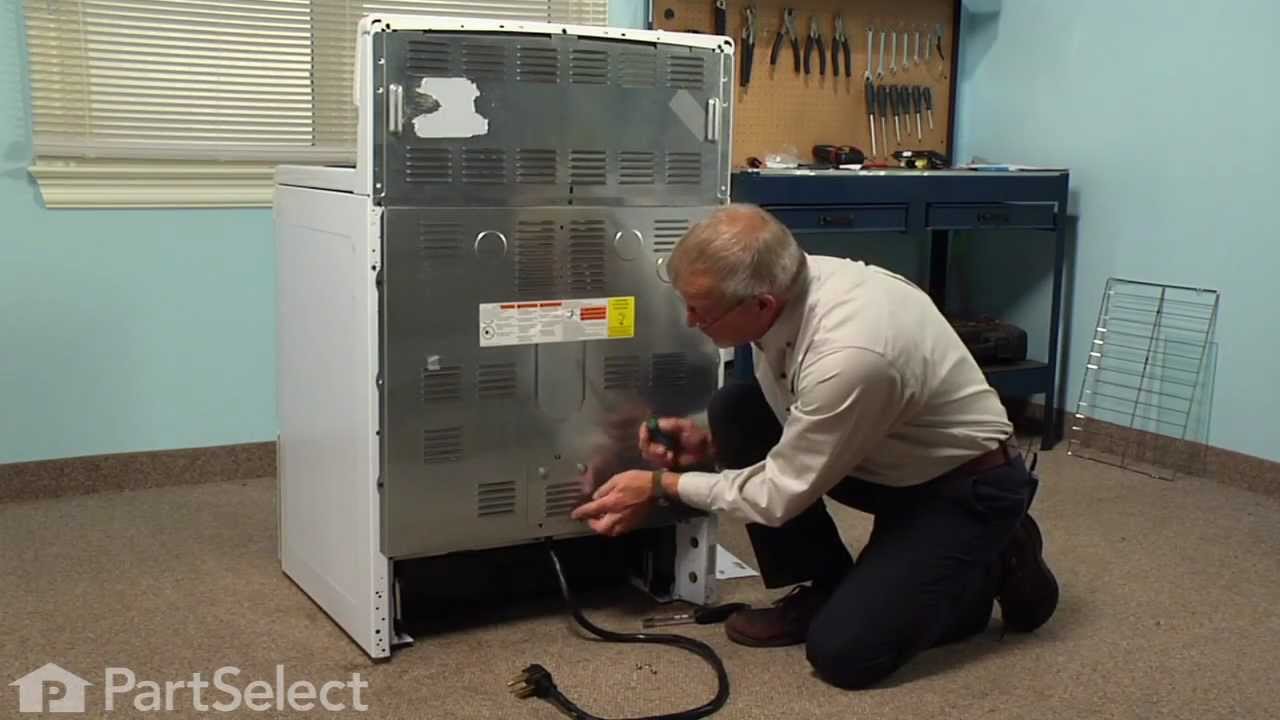
PF alarm appeared on display. Noticed clicking when cord was moved. Had arced for some time and melted original block. New part slightly different. Only has 3 lugs, old one had six. Stack using washers provided. Take note of colors before disassembly. Use caution while working through access opening. The edges are sharp. Only tools needed are phillips screwdriver, deep socket for lug nuts. Nut driver optional. Hope this is helpful.
Parts Used:
-
Timothy from Spring Valley, AL
-
Difficulty Level:Really Easy
-
Total Repair Time:15 - 30 mins
-
Tools:Screw drivers, Socket set
109 of 174 people
found this instruction helpful.
Was this instruction helpful to you?
Thank you for voting!
replacing the fan on a convection oven (fan was making a vibration noise)
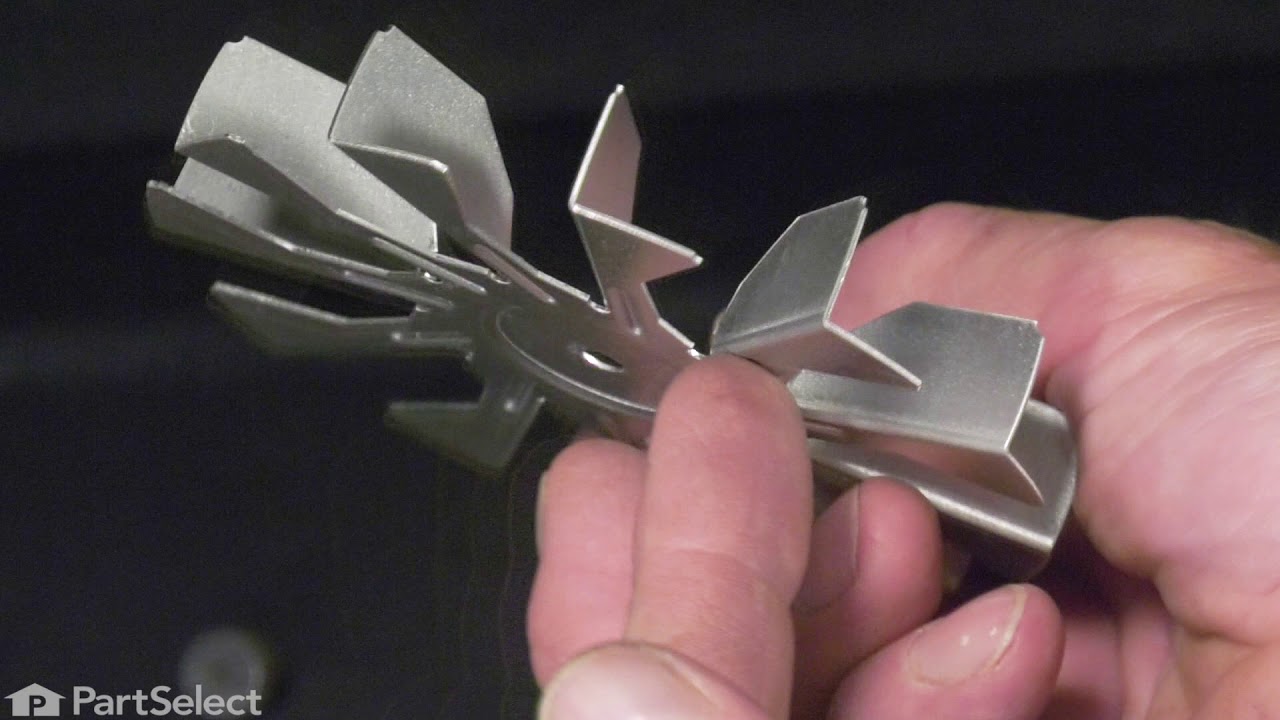
This was the first time replacing the fan. It is a lot easier to work in the oven compartment with the oven door removed, only two screws on the door and the hinges were released. I found that a couple of the screws were either rusted or stripped so I used a pair of pliers to remove the screws that were holding the diffuser in place. Once there was access to the fan I found that the fan was warped and that the blades were scraping against the back wall of the oven. The next challenge was to remove the retaining nut. I used a sheet metal screw to secure the warped fan to keep it from spinning. once I figured out that you have to turn the retaining nut to the right to loosen, it came off easily. 1/2" socket with extension. When I replace the fan I used two washers for spacers to make sure that the fan would not scrape the wall of the oven. Its been tested many times and the oven does not make that horrible sound anymore.
Parts Used:
-
John from Stevensville, MD
-
Difficulty Level:A Bit Difficult
-
Total Repair Time:30 - 60 mins
-
Tools:Pliers, Screw drivers, Socket set
17 of 26 people
found this instruction helpful.
Was this instruction helpful to you?
Thank you for voting!
Lower oven would heat to temperature, but would not continue to maintain temperature.
Troubleshoot element by disconnecting the element leads from relay board and test for acceptable resistance across leads. In my case the element had tested open with no resistance.
******You may not need to remove oven depending on how the framing under the oven is constructed.
**** Before you begin, disconnect power from the oven.
1.Remove two screws under oven, directly below rear of element door, and remove the metal piece the screws held in place. This will free up the back of the element access door panel.
2.Remove front trim strip on front bottom of oven, this will expose two screws directly behind trim strip. Remove the two screws behind the trim strip. This will free up the front of the element access door.
3. Lower element access door. If you can open the element door enough to disconnect the element wire leads and get the element out, you can swap out the element now and will not need to pull your oven out of the wall. If you can't open the access panel to fully access and replace element, slide the oven out until you can get the access door open and prop the front of the oven up on something sturdy you have laying around. In my case it was the good old yeti cooler. I would seriously consider removing the oven doors before you slide the oven out. It will make the oven alot less tippy by removing the weight from the front off the appliance. The element wires are short, you may need to disconnect them to get the element access door all the way open.
4. Install the new element and reassemble using these instructions in reverse order.
5. Reconnect power.
6. Make a batch of cookies.
******You may not need to remove oven depending on how the framing under the oven is constructed.
**** Before you begin, disconnect power from the oven.
1.Remove two screws under oven, directly below rear of element door, and remove the metal piece the screws held in place. This will free up the back of the element access door panel.
2.Remove front trim strip on front bottom of oven, this will expose two screws directly behind trim strip. Remove the two screws behind the trim strip. This will free up the front of the element access door.
3. Lower element access door. If you can open the element door enough to disconnect the element wire leads and get the element out, you can swap out the element now and will not need to pull your oven out of the wall. If you can't open the access panel to fully access and replace element, slide the oven out until you can get the access door open and prop the front of the oven up on something sturdy you have laying around. In my case it was the good old yeti cooler. I would seriously consider removing the oven doors before you slide the oven out. It will make the oven alot less tippy by removing the weight from the front off the appliance. The element wires are short, you may need to disconnect them to get the element access door all the way open.
4. Install the new element and reassemble using these instructions in reverse order.
5. Reconnect power.
6. Make a batch of cookies.
Parts Used:
-
Heidi from RIDGWAY, PA
-
Difficulty Level:Easy
-
Total Repair Time:30 - 60 mins
-
Tools:Nutdriver, Screw drivers
7 of 7 people
found this instruction helpful.
Was this instruction helpful to you?
Thank you for voting!