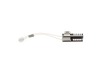
Upgrade the efficiency of your Samsung Range or Samsung Microwave Oven Combo with our top-quality Oven Burner Igniter. Crafted specifically for Samsung appliances, this product ensures a perfect fit a...
Presenting the Convection Fan Motor - Lower, exclusively designed for your Samsung Range, Samsung Wall Oven, and Samsung Microwave Oven Combo by the renowned brand, Samsung. This high-end part ensures...
Introducing the Convention Fan Motor exclusively designed for your Samsung Range, Samsung Microwave Oven Combo, and Samsung Wall Oven. This essential appliance part ensures proper air circulation for ...
If you're noticing uneven cooking or lacking heat distribution on your Samsung kitchen range, it might be time to replace your small-sized burner cap. This genuine Samsung Small Burner Cap can solve y...
This genuine OEM dual burner cap is a durable replacement part designed to sit on the burner head, protecting it from spills and debris while ensuring even heat distribution for consistent cooking res...
Enhance your cooking experiences with the Samsung Meat Probe Sensor. This ultra-efficient and high-quality product is designed to flawlessly integrate with your Samsung Range, Samsung Microwave Oven C...
Discover the Samsung power control board, a critical part designed for optimum function in your refrigerator. This game-changing board works by activating key components such as the compressor and fan...
The Samsung stove I have has had the igniter replaced several times. It seems to wear out over a couple years time. I did the repair with a Philips #2 screw driver. Open the oven door, remove the grates. unscrew the bottom cover and expose the heat shield. Unscrew the heat shield. This exposes the burner. Unscrew the burner from the center of the plate/lower heat shield. Unscrew the burner from the front and back of the oven. Carefully lift up the burner to expose the igniter and clip. Unscrew the igniter from the burner and set the burner aside. Unclip the igniter from the power cable. If it falls below, it won't go far just reach in a lift it back up to fasten the new igniter to the power clip. Refasten to the burner with new clips and screws provided. Re-insert the burner to the gas jet that is below the bottom plate which will not be visible to you unless you place your head towards the rear of the stove and look down. Once the Jet is back into the hole of the burner, re fasten it to the middle back and front of the stove. Replace the covers and grates. Close the oven and test it. A new igniter does wonders. You can remove the stove door for a less intrusive install, but I found it unnecessary to do so and saved a step and time. I was done well under 30 minutes.
First we unplugged the oven and shut off the gas. We then began removing the two plates on the floor, inside of the oven, to reveal the pipe with the dead heating element. You remove the screws from the back of the first plate, pop it out from the front, then remove the screws from the front of the second plate and pop it out from the back. The only issue we encountered was when we attempted to remove the two screws for the pipe: the front screw was stuck (possibly from old oil) and stripped easily. to fix that, we took a metal handsaw, and sawed a new cut into the screw to fit a flathead. After dealing with the screw, we removed the pipe and unplugged the old heating element. We removed the bottom drawer for extra room to assist with unplugging the heating element, and for removing the pipe from the gas line. We removed two screws with nuts that were attaching the element to the pipe, and replaced it with the new element. after reattaching the element and placing the pipe back onto the line, before we placed the plates back, we turned the oven and gas back on to test if it was working. One successful test later, we placed the plates and bottom drawer back and we were done.
Slide out the stove. Unplug the electricity. Remove the back panel with a screwdriver. Then go inside the oven and remove the two Philips head screws holding the fan cover. Then remove the nut holding the fan. Note, it is a left handed nut, so turn it right to loosen it. Pull off the fan. Return to the back and remove the nut and two screws that hold the fan. The fan slides right out. The only problem I had was that the electrical contacts on the new motor were wider than the original. I had to break the plastic so I could separate the wire leads, so that they would fit the new motor. Works like a charm. John