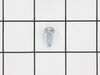
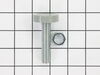
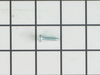
This foot pad is just over an inch in diameter. It is made entirely of rubber and is gray in color. This pad is intended for use with washers and some dryers.
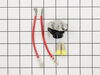
If your dryer isn’t heating properly, this adjustable thermostat kit could be the solution. It helps keep the dryer at the right temperature by turning the heat on and off as needed. You can set it an...
Cycling thermostats continually cycle the heating element off and on to maintain a constant inner temperature. This particular cycling thermostat has a limit of 140 degrees Fahrenheit and a differenti...
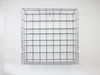
The lower rack provides easy loading with flexibility for small and large items, and helps hold the dishes in place during the wash and dry cycle. The rack measures approximately 22-inch x 21-inch. Th...
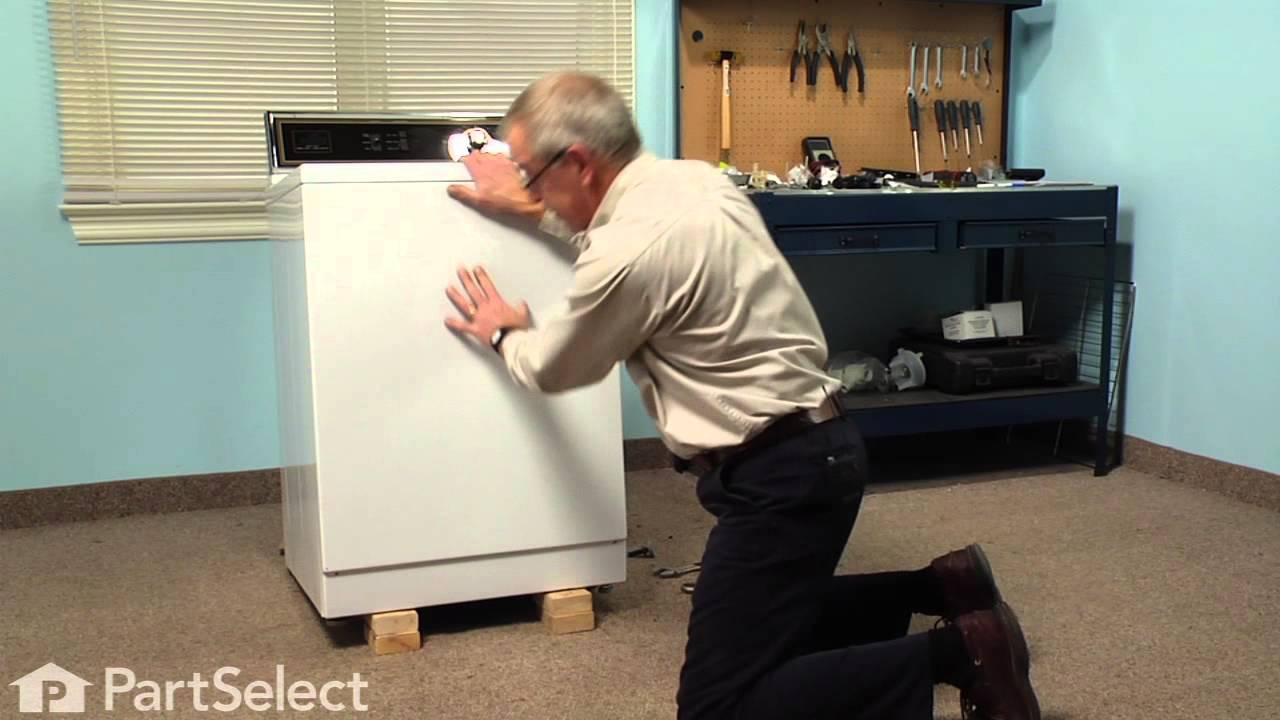
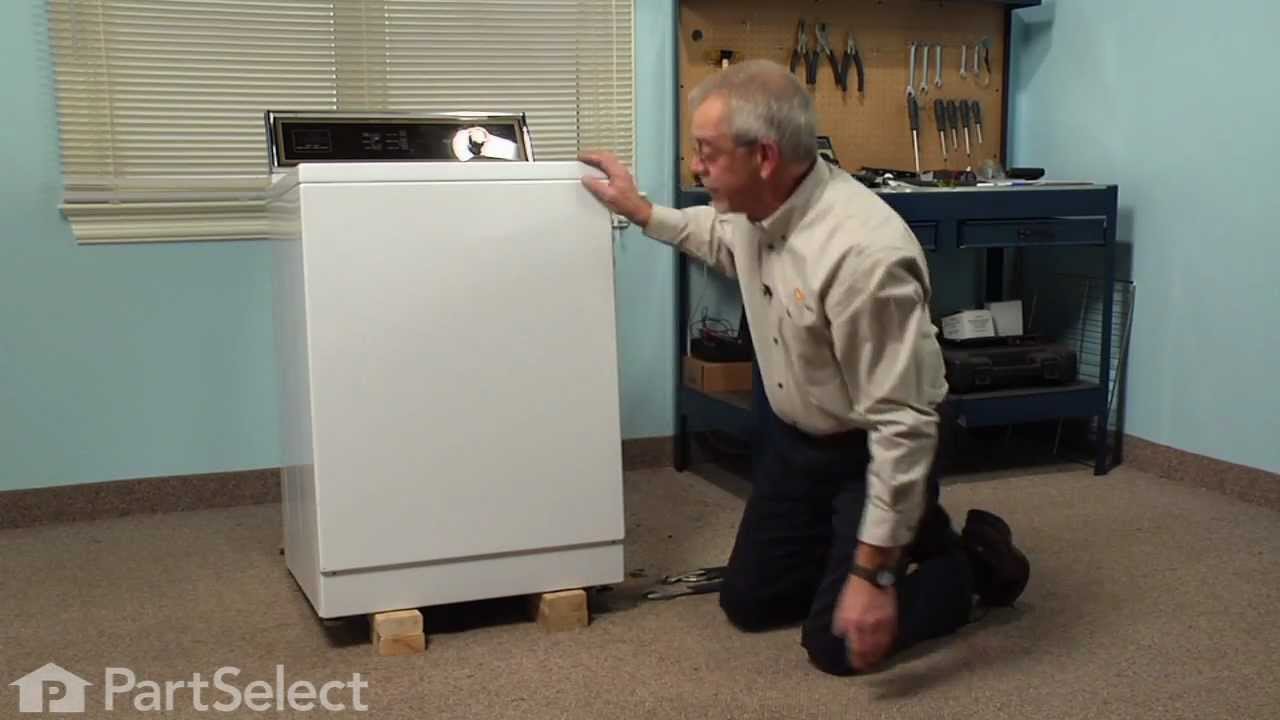
Put blocks under the washer where the leveling leg was needed and screwed the part into the washer. Then it was just a matter of moving the washer into place and leveling. Pretty easy.
Took off back cover, thermostat was easily identified because of photos I've seen on website. Took 2 connectors off, removed 2 screws and removed old thermostat. That was pretty much it!
NOTE: Replacement thermostat 694674 has an adjustable temperature range setting that MUST be manually set prior to installing! You need to use the enclosed chart to find your original part# and make sure the setting is matched. My original part# 341146 had a "D" setting so I had to change but very easy to do.
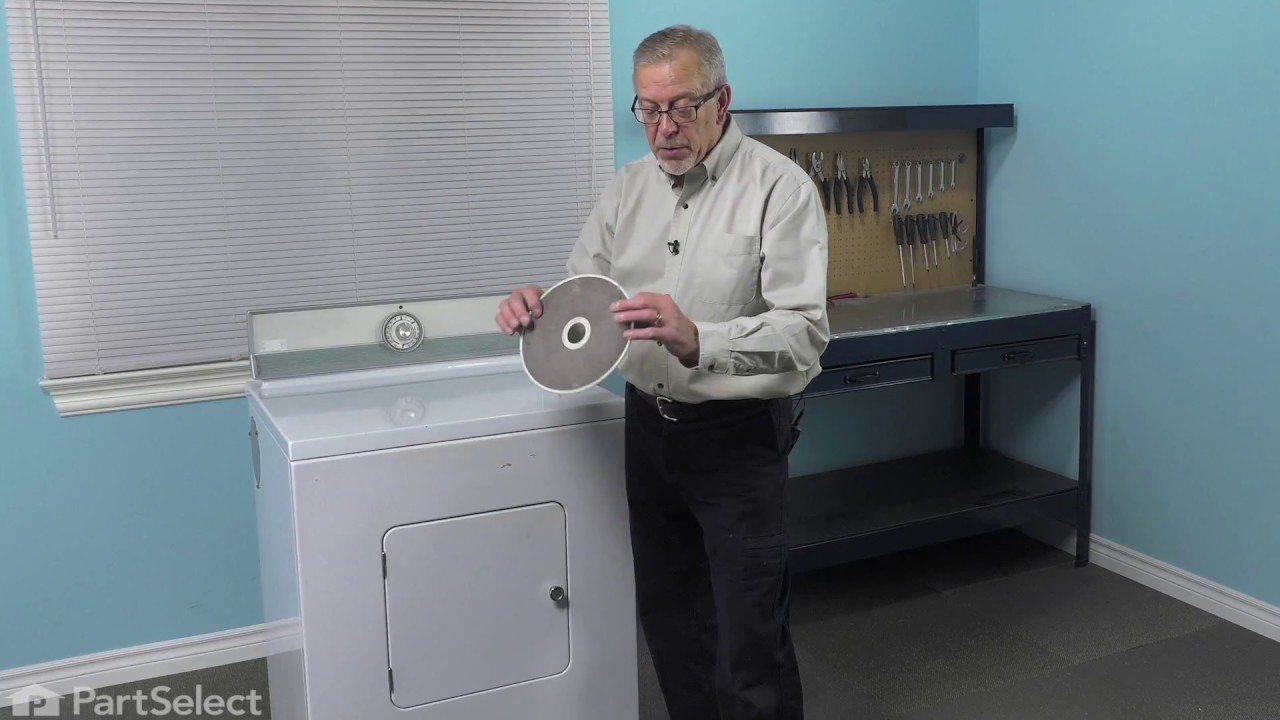
First let me say that this dryer is at least 30 years old. The only repairs it has needed up to this point were a set of belts and lint screen holder.
I researched and found a list of items to check for dryer not heating. Only 3 items were listed as possible causes, the Heating Element, Cycling Thermostat, and Heating Element Terminal & Insulator.
First and most important step - UNPLUG THE DRYER FROM THE WALL
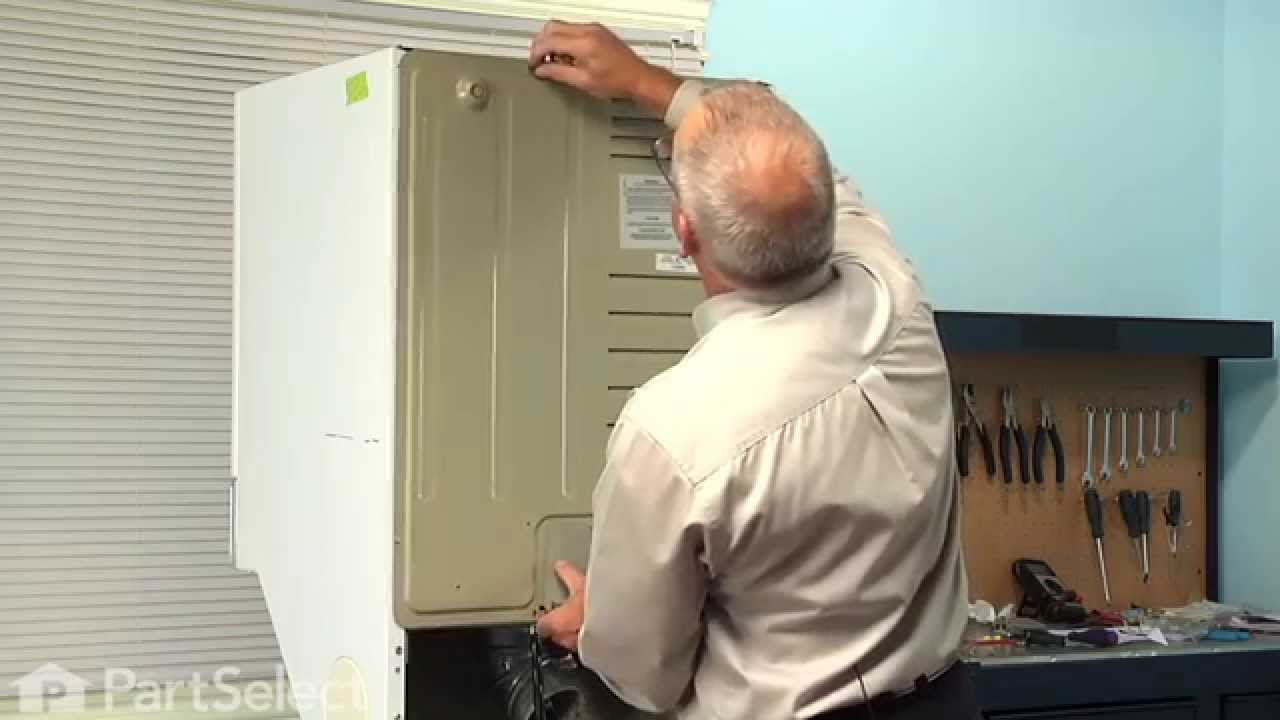
To access the cycling thermostat, I removed the back panel. The thermostat is located on top of the blower housing and is easily accessable. I was unable to test the old part.
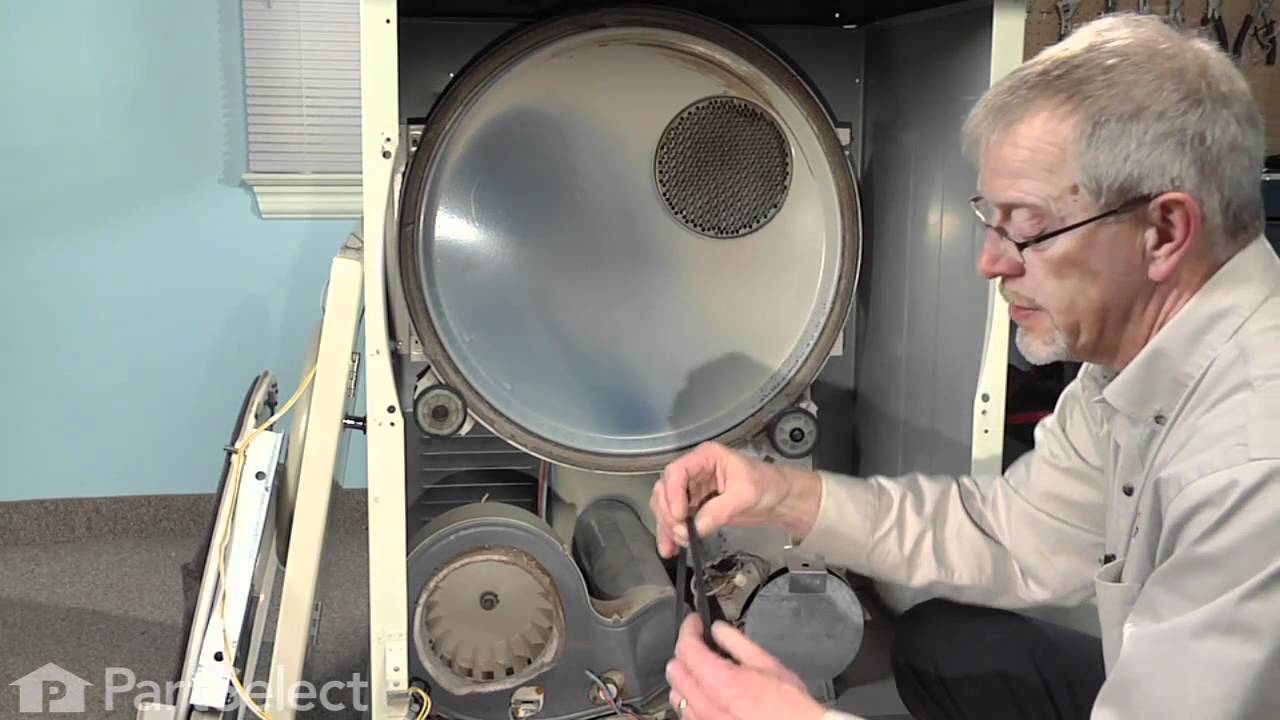
Accessing the heating element and terminal insulators is a bit more difficult as they are located in the fron of the dryer around the door opening. Further research showed the way to access these parts was to remove the cabinet from the chassis. After photographing the wiring connections, I disconnected the cycling thermostat and motor connections. Next, I removed the 3 screws at the bottom of each side panel. With the dryer door removed (it lifts off when open), I simply lifted the cabinet up over the drum. I recommend having someone assist with this as it is awkward and a little heavy. Lay the cabinet on its front on a rug to keep from scratching the finish. The heating element and insulators can be inspected at this time.
Having found no breaks in the element or insulators, I assumed the problem was the cycling thermostat and ordered one. When I got it (less than 2 days), I installed it and reassembled the cabinet to the chassis. I plugged the dryer in and set the timer. Still no heat!
After looking at the schematic, I found 2 other possible causes for no heat. The motor contains a centrifugual switch (closes when the motor spins) which I was not able to check. There is also a HIGH LIMIT thermostat on the shroud that holds the heating element. I decided I could test this part by by-passing it. I unplugged the dryer and removed the back once again. I reached past the drum from the back (not easy to do) and disconnected the 2 wires from the thermostat and connected them together. I plugged the dryer back in and started the dryer. It heated up like it should. I then ordered the high limit thermostat. After removing the cabinet once again (easier 2nd time), I installed the high limit thermostat and reassembled the unit.
The Dryer is working fine and hopefully should last another 25-30 years.