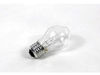
This 40-Watt light bulb is sold individually.
It is specially designed to withstand extreme temperatures, so this bulb is compatible with a variety of appliance types including refrigerators, ranges,...
The interior light of your refrigerator is controlled by a switch that is activated when the door is opened and closed. If your refrigerator light will not turn on, there could be an issue with the sw...
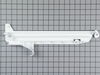
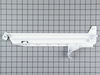
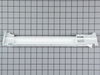
This is the replacement vegetable drawer side rail for the left side of your refrigerator. It is made of white plastic and is approximately 18 inches long, and 6 inches wide. The slide rail supports t...
This single outlet valve has 1/4 inch compression fittings, and is intended for use with refrigerators that have ice makers that make crescent shaped ice cubes.
NOTE: As per the manufacturer this v...
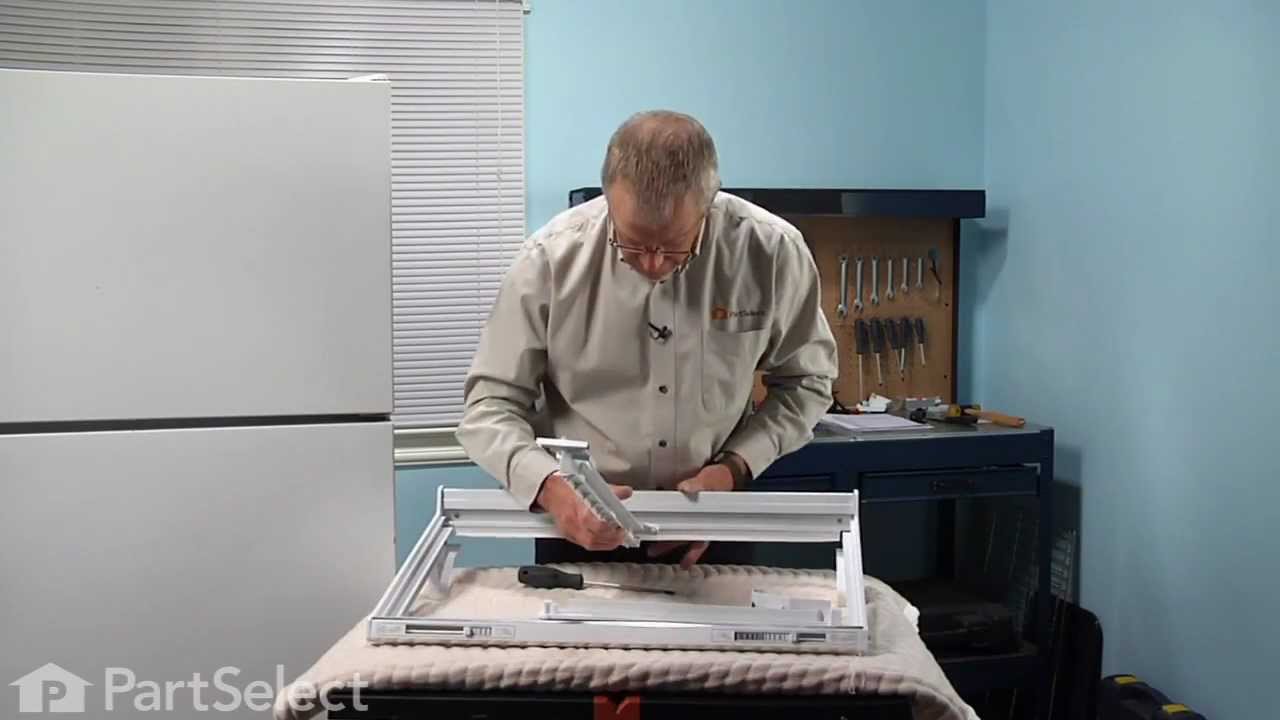
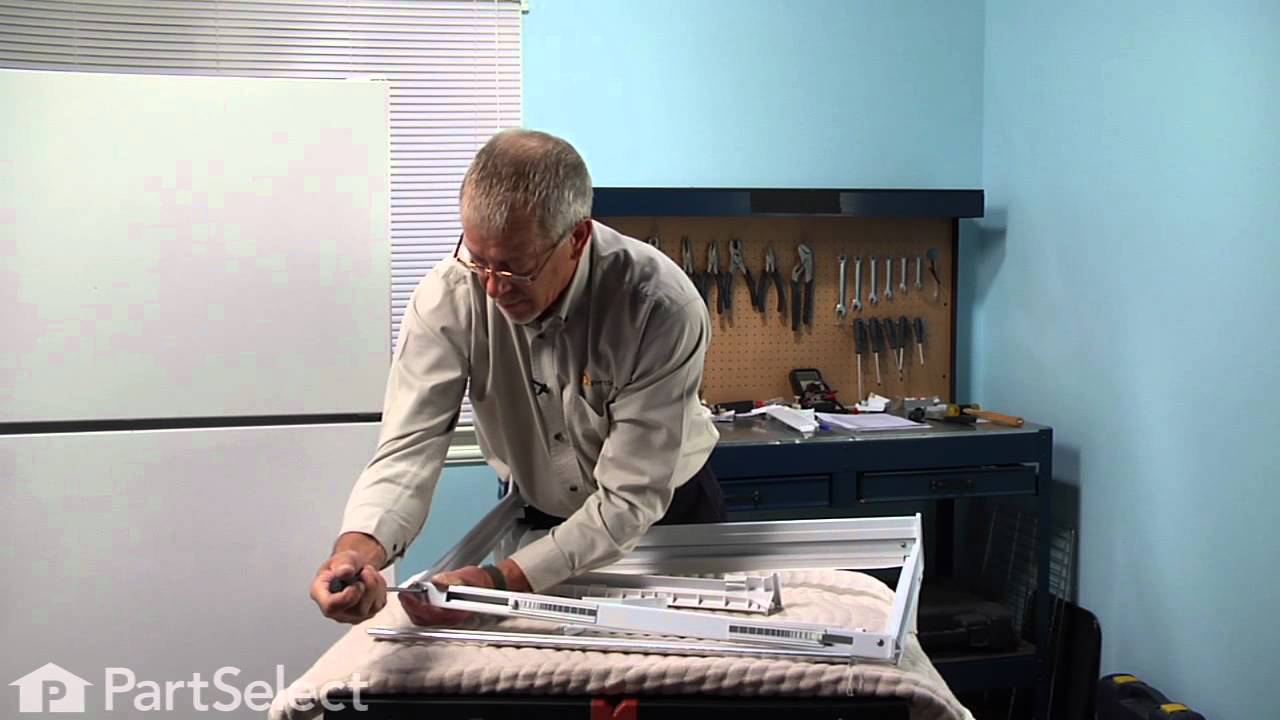
This slide cover or slide rail is a genuine OEM replacement part for your refrigerator. This part is made of white plastic. To install it, simply remove the glass shelf, remove the current slide rail ...
This part comes with 3 round pin connection terminals.
This fan motor circulates the air through the refrigerator grille and cools the compressor and condenser coils. It also helps to evaporate extra...
I applied some tips learned by reading other reviews. So before I started I grabbed my trusty vise grip pliers and a small screw driver. I locked onto the switch actuator, the part that the refrigerator door pushes in, with the vise grips and pulled on it just hard enough to get the screw driver inserted in the right side to push in the catch clip so the switch could be pulled out further each time the catch clip was depressed to the next detent. Then I used the screw driver on the left site to encourage the switch past the detents on the left and very quickly the switch was out of the mount. The wires from the refrigerator pulled out with the old switch. I unplugged the old switch from the wires and plugged in the new switch and shoved the new switch back into the mount, wiggled it a couple of times to make sure it was secure and the job was done. Once I applied the vise gripes at first, the whole job took less than a minute.
when the ice maker runs through its cycle, you should be able to hear the solinoid valve open, letting water into the ice maker. this was not happening for me. you can dissconnect the plug on the valve and put the two probes from a multimeter in the plug and set for AC volts. when the ice maker runs its cycle, at the end you should see the meter jump as power is applied to the valve then turns off. this means you do have power to the valve so the valve is defective. turn off water supply to the valve, disconnect the water supply tube to the valve, remove the screw holding the valve, disconnect supply tube to icemaker then hook up supply tube to bottom of valve, screw braket back to refrig, install suppy back to valve, turn water back on and check for leaks and your ice maker should be working properly again. these guys were really fast on delivery too!
Unplugged the refrigerator and turned off the water to the ice maker valve. Removed the water line at both ends (small crescent wrench). Removed the cover from the water valve area (two Phillips head screws). Removed the valve (two screws - small nut driver) and pulled off the two electrical connections.
Installed the new valve with the reverse procedure though the holding screws didn't line up with the existing holes in the refrigerator metal frame. I let it go with one screw holding ... didn't have a drill with me to make a second screw hole.
Replaced the old water line (from the wall to the valve) with a steel-reinforced hose.
Cut the female metal connector from the old water line up to the freezer and it fit nicely into the push-in outlet from the new valve. Turned everything back on and waited for the ice maker to cycle. To my dismay, the leak had been coming from the plastic line that goes from the valve up to the ice maker. It had split, spraying water. Replaced that and everything works fine.
Lesson learned: Don't assume water near the icemaker valve actually is from the valve or its water connections. Watch the whole system cycle a couple of times to see what's really happening. Glad to have a new valve but the basic problem was the icemaker tubing.