



















ALW891SAW (PALW891SAW) Amana Washer - Instructions
Keep searches simple. Use keywords, e.g. "leaking", "pump", "broken" or "fit".
Water leaking on floor from "mysterious place underneath washer"
Water was leaking on the floor during the wash cycle and especially during draining of the washer. I removed the front panel at ground level and watched while draining after a rinse.
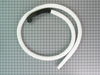
I t was obvious that water was spraying from a hole in the rubber end of the hose (the hose is a fused assembly of a plastic section and a rubber section).
So, I finished draining, removed the hose (required pliers to squeeze off a hose clamp).
Upon inspecting the hose, it was also apparent that the hole was caused by rubbing against a support bracket for the motor. This should not happen, but it did because the plastic standoff supposed to keep the hose away from the bracket was installed 180 degrees backwards.
So, I simply replaced the hose and turned the bracket around to the correct orientation.
Everything worked as planned and my repair cost was much less than if I had called someone out.
I t was obvious that water was spraying from a hole in the rubber end of the hose (the hose is a fused assembly of a plastic section and a rubber section).
So, I finished draining, removed the hose (required pliers to squeeze off a hose clamp).
Upon inspecting the hose, it was also apparent that the hole was caused by rubbing against a support bracket for the motor. This should not happen, but it did because the plastic standoff supposed to keep the hose away from the bracket was installed 180 degrees backwards.
So, I simply replaced the hose and turned the bracket around to the correct orientation.
Everything worked as planned and my repair cost was much less than if I had called someone out.
Parts Used:
-
Bryan from Chicago, IL
-
Difficulty Level:Easy
-
Total Repair Time:Less than 15 mins
-
Tools:Pliers, Socket set
51 of 57 people
found this instruction helpful.
Was this instruction helpful to you?
Thank you for voting!
unusually loud rumbling in spin mode, no spin out
removed outer enclosure to expose inside workings. removed all retaining springs to tub and transmission housing. Inverted tub to access agitator pulley and belt. Removed pulley and cut belt off.(I knew I was replacing it, anyway.)Had to remove large tub bracket to exchange new pulley for old. Disconnect bleach reservoir filler tubing on tub assembly. Disconnect power connector to drive motor. Removed water pump to access drive pulley where new belt belongs. Aligned belt to pulleys and checked idler pulley tension which was acceptable. Replace helix drive lug against spin/agitator and tightened retaining bolt. Assembled components in reverse order and conducted test run. Success. Smooth running machine and saved about $200 on professional labor costs. I had no repair manual but you should have a personal confidence in general repair work. Something like a history of taking things apart and putting them back together successfully. I had an independent appliance repair guy examine the washer and he said it was too complicated for him. Once I had it apart, it seemed fairly basic. Good luck!
Parts Used:
-
Ralph from Moreno Valley, CA
-
Difficulty Level:Easy
-
Total Repair Time:1- 2 hours
-
Tools:Nutdriver, Pliers, Screw drivers, Socket set, Wrench set
37 of 45 people
found this instruction helpful.
Was this instruction helpful to you?
Thank you for voting!
Bad shaking During Spin Cycle
firsted layed washer back On A Angle For Easy Acess To Motor Removed Both Hoses And Four bolts pulled Motor Assembly out replced belt @ idler Pulley Reinstalled Motor.
Parts Used:
-
Gary from Park Ridge, IL
-
Difficulty Level:Easy
-
Total Repair Time:30 - 60 mins
-
Tools:Nutdriver, Pliers, Screw drivers, Wrench set
35 of 53 people
found this instruction helpful.
Was this instruction helpful to you?
Thank you for voting!
Bearing went out causing lots of noise.
This is not a bad repair, but give yourself some time. I did not have to take the tranny and motor out, but the inner and outer tub and all related parts had to come out, along with the outer tub base. If you are replacing the tub bearing, you HAVE to order the seal kit. Don't try to skimp like I did, since you will need the seal kit as this is what causes that bearing to fail in the first place. We forgot how quiet the washer was after I fixed it, and it saved us from buying a new washer since we were ready to say the heck with it and buy a new pair. You might need an 1.5 inch socket to get the big nut off the spindle, but I was able to get with a visegrip and hammer. The nice thing about this repair is even if you screw it up, you won't have water all over the place because of the seal design. I just checked under the washer a few times for the first few weeks and all seems fine.
Parts Used:
-
mike from hull, IA
-
Difficulty Level:A Bit Difficult
-
Total Repair Time:More than 2 hours
-
Tools:Nutdriver, Pliers, Screw drivers, Socket set, Wrench (Adjustable), Wrench set
24 of 26 people
found this instruction helpful.
Was this instruction helpful to you?
Thank you for voting!
Washer wouldn't drain
I was doing laundry one day, and noticed that the washer did not drain. I drained the water via a shop vac and checked the hoses. There was a baby sock stuck in the hose leading to the pump! I cleared the jam and the washer finally drained again. Once I ran another load, the washer wouldn't drain. I repeated the procedure, and found that the motor was spinning but the pump was not working. I disconnected the machine and proceded to remove the pump. I found that, due to blockage, the motor had reamed out the housing that turns the pump. So, at the advice of my father, who has used this site for other repairs, I entered the model make and number. I was able to view an exploded schematic of the washer in order to correctly identify the part I needed. I found the part, ordered it, and it came to me in about 2 days. I replaced the pump, and my washer has worked great ever since. Thank you PartSelect.com.
Parts Used:

-
William from Fayetteville, NC
-
Difficulty Level:Really Easy
-
Total Repair Time:15 - 30 mins
-
Tools:Nutdriver, Pliers, Socket set, Wrench (Adjustable), Wrench set
20 of 20 people
found this instruction helpful.
Was this instruction helpful to you?
Thank you for voting!
leaky seal wreaked main bearing
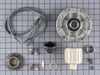
to replace the seals is the easier part of the job. I Removed the front panels and removed the front screws for the top and opened up. Then you have to remove the agitator, then the bell plug, the bolt holding the bell along with the bell, then the 1-1/2" nut under that. then slide the plastic washer that fits into the splne. to remove the drum you have to remove the plastic top to the drum assembly. Then you can remove the drum along with the along with the alumunum splined hud that is atrtached the the metal drum. Before removing the drum the seal under the plastic washer mentioned above needs to be removed. once the drum is out you can in bolt the aluminum splined hub from the metal drum. The outer plastic drum has a seal that is glued and slides over the vertical flange. The glue is not included in the kit. once the botom seal is installed. install the new aluminum splined hub to the metal drum. install lower seal to botom of the splined hub. reinstall the hub. once the large nut and plastic spined washer is installed. The top seal neds to tapped onto the hub agian with an object that matches the dia. of the seal flange. the n install the bell, nut ans plug. The bell does not like to align to the splined shaft, do not force it. reinstall the agitor an assemble the rest.
Parts Used:
-
Brian from Okauchee, WI
-
Difficulty Level:Very Difficult
-
Total Repair Time:More than 2 hours
-
Tools:Nutdriver, Pliers, Screw drivers, Socket set, Wrench (Adjustable), Wrench set
29 of 52 people
found this instruction helpful.
Was this instruction helpful to you?
Thank you for voting!
Water wouldn't stop
Unplugged washer then took back off control panel. Removed clamp and tube from pressure switch. Pushed in tabs with a screwdriver and lifted top. Removed clamp and broken tube. Put new tube in place and tighten clamp with nutdriver. Closed top and put other end of tube on pressure switch with clamp. Put back on control panel and plugged in. Clamps are to big for application but do work. So far so good!
Parts Used:

-
Steven from Westfield, MA
-
Difficulty Level:Easy
-
Total Repair Time:15 - 30 mins
-
Tools:Nutdriver, Screw drivers
18 of 21 people
found this instruction helpful.
Was this instruction helpful to you?
Thank you for voting!
Squeak and slight burning smell during spin cycle.
I took off the lower front panel and “watched” with a flashlight during the spin cycle. I could see that the idler pulley was intermittently stopping and starting. The back of the drive belt was also worn in the center. When the idler pulley was moving, it squeaked, when it didn’t, the friction wore the belt and made the smell.
To replace the Idler Pulley Wheel:
1. Take off the lower and upper front panels to access the motor assembly.
2. Remove motor by loosening four bolts.
3. Remove spring that applies tension to the idler pulley.
4. Remove the electrical connector by squeezing the plastic tab on top.
5. Remove hoses by gripping clamps with pliers (put down rags first to catch water)
6. Unhook belt from tub pulley
7. Remove 1 cabinet spring to make it easier to remove motor
8. Remove motor.
9. Remove allen screws holding the pump to the motor
10. Remove the pump and belt (take note of the location of the belt before removing).
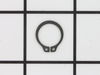
11. Remove retaining ring to replace Idler Pulley Wheel (this was probably the trickiest part; I used a very tiny needle nose pliers and straight screwdriver).
12. Replace the washers on either side of the Idler Pulley Wheel as well as the retaining ring.
13. Replace belt.
14. Reassemble in reverse order.
15. Be thankful for the money you saved on a service call.
To replace the Idler Pulley Wheel:
1. Take off the lower and upper front panels to access the motor assembly.
2. Remove motor by loosening four bolts.
3. Remove spring that applies tension to the idler pulley.
4. Remove the electrical connector by squeezing the plastic tab on top.
5. Remove hoses by gripping clamps with pliers (put down rags first to catch water)
6. Unhook belt from tub pulley
7. Remove 1 cabinet spring to make it easier to remove motor
8. Remove motor.
9. Remove allen screws holding the pump to the motor
10. Remove the pump and belt (take note of the location of the belt before removing).
11. Remove retaining ring to replace Idler Pulley Wheel (this was probably the trickiest part; I used a very tiny needle nose pliers and straight screwdriver).
12. Replace the washers on either side of the Idler Pulley Wheel as well as the retaining ring.
13. Replace belt.
14. Reassemble in reverse order.
15. Be thankful for the money you saved on a service call.
Parts Used:

-
Jim from Swanton, OH
-
Difficulty Level:Easy
-
Total Repair Time:1- 2 hours
-
Tools:Nutdriver, Pliers, Screw drivers, Socket set
13 of 15 people
found this instruction helpful.
Was this instruction helpful to you?
Thank you for voting!
Seal on water pump was leaking
Unplug the washer to prevent shock while handling motor. Remove the front botton access panel. Move the drive belt off the idler pulley to provide slack to move belt off the other pulleys. Note position or take picture of belt position before removal to aid in getting it in the correct position for reinstallation. Move the hose clamps up the hoses far enough to remove the hoses from the pump. A towel is handy here as there is still a little water in the hoses and pump. Remove the four bolts holding the motor bracket to the bottom of the washer. The wiring to the motor does not need to be disconnected. Rotate the bracket with motor and pump attached so that the assembly is horizontal and the pump is to the right hand side. Use the torx bit to remove the bolts holding the pump in place. Install the new pump, being careful to get the drive belt in the proper position while doing so. Do not over tighten the bolts on the new pump since it is plastic. Rotate the motor bracket back to its original position and install the four bolts. Get all four bolts installed loosely before tightening any fully to insure the bracket is aligned properly and none of the bolts will be in a bind. Once the bolts are tight, put the drive belt on the small pulley and then work in around to position on the large pulley. Position the belt back into its position on the idler pulley. Put the hoses on the pump as far as they will go then slide the hose clamps back into their original position. Replace the bottom access panel and plug the washer back in.
Parts Used:
-
Douglas from Spring, TX
-
Difficulty Level:Easy
-
Total Repair Time:30 - 60 mins
-
Tools:Nutdriver, Pliers, Socket set
10 of 10 people
found this instruction helpful.
Was this instruction helpful to you?
Thank you for voting!
The thin walled plastic drain line got a pin hole leak
The washer is four years old.
This is the second time I needed to replace this same drain hose on this same washer since I had the machine
There is only my wife ant myself maybe, 2 -3 medium size loads per week - why I would have two drain lines develop the same problem in almost the same location in two years is disconcerting
There must be a design problem with the clear plastic hose - Suggest Maytag go to a thick walled rubber hose
The hole is alway inside the washer on the bottom just after the hose bracket - I suspect that something rubbing causing a small pin hole to develop - when the condition first starts it is very difficult to located -There will be water under the washer
Run the washer and discharge the water - to locate
The replacement must be made through the lower front removable panel - and is easier to do if the pump return hose is also disconnected from the pump
Be very carful with the thin wall replacement hose - very light weight plastic - do not pull across the floor of washer - it could easily get damaged
Your company did a get job getting the part to me - The Fed Ex track system was great
I could tell exactly where the delivery was al all times -
This is the second time I needed to replace this same drain hose on this same washer since I had the machine
There is only my wife ant myself maybe, 2 -3 medium size loads per week - why I would have two drain lines develop the same problem in almost the same location in two years is disconcerting
There must be a design problem with the clear plastic hose - Suggest Maytag go to a thick walled rubber hose
The hole is alway inside the washer on the bottom just after the hose bracket - I suspect that something rubbing causing a small pin hole to develop - when the condition first starts it is very difficult to located -There will be water under the washer
Run the washer and discharge the water - to locate
The replacement must be made through the lower front removable panel - and is easier to do if the pump return hose is also disconnected from the pump
Be very carful with the thin wall replacement hose - very light weight plastic - do not pull across the floor of washer - it could easily get damaged
Your company did a get job getting the part to me - The Fed Ex track system was great
I could tell exactly where the delivery was al all times -
Parts Used:
-
WALTER from Holualoa, Hawaii, AL
-
Difficulty Level:Really Easy
-
Total Repair Time:15 - 30 mins
-
Tools:Pliers, Wrench set
9 of 10 people
found this instruction helpful.
Was this instruction helpful to you?
Thank you for voting!
broken belt and the pump was damaged/stripped
To replace the pump and belt for the Maytag washer, you really need remove the springs and suspended the tubs. I needed help to pull the 2 springs out (high tension) with a big plier. I removed the 3 bolts that held the motor to the frame and flipped it out to the side to expose the 3 long screws that attached the pump to the motor. The pump was easily removed and replaced with the Philip screw driver. I preset the belt between the pump and the rotor before sliding the motor back in place. After botling the motor back into the frame and carefully pull and snap the spring back into the holes, I routed the belt around the pulley and turned it into the groove. This took some time to get it on properly as it is pretty tight. Once the cover was replaced, the washer worked as expected.
Parts Used:
-
Anh from San Jose, CA
-
Difficulty Level:A Bit Difficult
-
Total Repair Time:30 - 60 mins
-
Tools:Nutdriver, Pliers, Screw drivers
10 of 13 people
found this instruction helpful.
Was this instruction helpful to you?
Thank you for voting!
Would not empty water
I suggest if you are replacing the pump, order the belt at the same time, you must remove the pump to replace the belt.
Parts Used:
-
James from Houma, LA
-
Difficulty Level:Really Easy
-
Total Repair Time:1- 2 hours
-
Tools:Nutdriver, Pliers, Screw drivers
8 of 9 people
found this instruction helpful.
Was this instruction helpful to you?
Thank you for voting!
Washer leaking water from the bottom.
Removed front panel.
Released 2 springs on belt tensioner.
Rolled drive belt off pulleys.
Unscrewed 4 bolts holding washer motor assembly.
Tilted motor to get at pump screws.
Removed 3 pump screws and pump slid right off shaft.
Aligned new pump and reinstalled screws.
Set motor assembly loosely in place.
Rolled drive belt onto pulleys.
Re-attached tension springs.
Installed motor assembly bolts.
Re-installed front panel.
** I should have replaced drive belt at same time, but it is working with no leaks.
Released 2 springs on belt tensioner.
Rolled drive belt off pulleys.
Unscrewed 4 bolts holding washer motor assembly.
Tilted motor to get at pump screws.
Removed 3 pump screws and pump slid right off shaft.
Aligned new pump and reinstalled screws.
Set motor assembly loosely in place.
Rolled drive belt onto pulleys.
Re-attached tension springs.
Installed motor assembly bolts.
Re-installed front panel.
** I should have replaced drive belt at same time, but it is working with no leaks.
Parts Used:
-
Donald from Sierra Vista, AZ
-
Difficulty Level:Easy
-
Total Repair Time:15 - 30 mins
-
Tools:Nutdriver, Socket set
7 of 8 people
found this instruction helpful.
Was this instruction helpful to you?
Thank you for voting!
Leaking water while washer runs
Biggest trick is getting the agitator off. It seems like it is bolted on. I used a piece of braided cotton cord to run under both sides of the agitator and just pulled real hard. It WILL pop off.
Next the old seal will also seem to be attached. The edge is firm but not bolted. A small prybar will help.
Easy repair to do, but it did not fix my problem. I decided to get a new washer rather than go through further disassembly.
Next the old seal will also seem to be attached. The edge is firm but not bolted. A small prybar will help.
Easy repair to do, but it did not fix my problem. I decided to get a new washer rather than go through further disassembly.
Parts Used:
-
John from Roswell, GA
-
Difficulty Level:Easy
-
Total Repair Time:15 - 30 mins
-
Tools:Nutdriver
10 of 20 people
found this instruction helpful.
Was this instruction helpful to you?
Thank you for voting!
The spin belt burned up.
To replace the belt:
First, unplug the appliance. No sense in poking and getting zapped.
Remove any water from the tub, if there is some, by running the washer through the end of the rinse cycle. This is the point of extracting water through the water pump.
Remove the bottom, front access panel by taking out the two screws at the bottom and sliding the panel down and out. It is held in place by metal clips at the top. So, it has to "unsnap" at the top.
Next, remove (by pulling out and up to disengage its hook) the left front stabilizer spring from the bottom of the outer tub. Pry it out with a screwdriver blade under the hook enough to release it from its hole in the frame. Once released, slide the hook along the lip of the frame towards the back of the washer and out of the way. Makes it easier to get back in if it is still stretched some. This allows it to be out of the way in order to remove the motor.
Disconnect the hoses attached to the discharge pump. Be sure to have a couple of towels handy for any water left in the lines. Place the towels directly under the hoses before disconnecting. Set the hoses to the side of the washer cabinet.
Loosen and remove the back (when looking at the motor from the front access) two bolts holding the motor support frame to the frame supporting the transmission.
Next, locate and remove the top two bolts holding the motor frame to the tub frame. Be sure to support the motor as the last bolt is removed so that it does not fall down.
Tilt the motor slightly to the left. Locate the wiring harness at the top left side of the motor. There is a plastic clip in the middle and on top of the wiring harness. Push down on the clip as you grasp the harness. This will release the clip's grip at the back of the harness and allow you to pull it out. Set the harness back behind one of the nearby tension springs to keep it out of the way.
Once the harness and bolts are removed, tilt the bottom of the motor towards you and pull down and out to clear the outer tub frame.
With the motor out, fiip it over and locate the three screws holding the pump in place. Using a #25 torx head screwdriver, remove the screws. The pump will now separate from motor. Visually check that the pump does not have an obstruction. Manual check by spinning the pump by hand. It should move freely.
Before installing the spin belt, clean the motor pulley of any residue.
Remove and replace the idler arm spring. Leave the spring attached to the arm only. Do not reattach it to its anchor point on the motor frame.
Install the spin belt, making sure that the belt is on either side of the pump's rear leg. (Rear leg being the leg 90 degrees counterclockwise to the pump outlet port.) Be sure that the idler arm pulley is able to apply pressure to the belt.
Reverse steps to put the pump, motor and springs back in place. Be sure to plug in the wiring harness before the motor is place back into position.
Tip: Leave the idler spring off until after the spin pulley is wound onto the helix pulley. You can reach around the motor from the right side and grasp the pulley. Spinning it slowly as you feed the belt will make it easier to get it back on.
Last, plug in the machine and give a Tim Allen ARH, ARH, ARH, Ugh?
First, unplug the appliance. No sense in poking and getting zapped.
Remove any water from the tub, if there is some, by running the washer through the end of the rinse cycle. This is the point of extracting water through the water pump.
Remove the bottom, front access panel by taking out the two screws at the bottom and sliding the panel down and out. It is held in place by metal clips at the top. So, it has to "unsnap" at the top.
Next, remove (by pulling out and up to disengage its hook) the left front stabilizer spring from the bottom of the outer tub. Pry it out with a screwdriver blade under the hook enough to release it from its hole in the frame. Once released, slide the hook along the lip of the frame towards the back of the washer and out of the way. Makes it easier to get back in if it is still stretched some. This allows it to be out of the way in order to remove the motor.
Disconnect the hoses attached to the discharge pump. Be sure to have a couple of towels handy for any water left in the lines. Place the towels directly under the hoses before disconnecting. Set the hoses to the side of the washer cabinet.
Loosen and remove the back (when looking at the motor from the front access) two bolts holding the motor support frame to the frame supporting the transmission.
Next, locate and remove the top two bolts holding the motor frame to the tub frame. Be sure to support the motor as the last bolt is removed so that it does not fall down.
Tilt the motor slightly to the left. Locate the wiring harness at the top left side of the motor. There is a plastic clip in the middle and on top of the wiring harness. Push down on the clip as you grasp the harness. This will release the clip's grip at the back of the harness and allow you to pull it out. Set the harness back behind one of the nearby tension springs to keep it out of the way.
Once the harness and bolts are removed, tilt the bottom of the motor towards you and pull down and out to clear the outer tub frame.
With the motor out, fiip it over and locate the three screws holding the pump in place. Using a #25 torx head screwdriver, remove the screws. The pump will now separate from motor. Visually check that the pump does not have an obstruction. Manual check by spinning the pump by hand. It should move freely.
Before installing the spin belt, clean the motor pulley of any residue.
Remove and replace the idler arm spring. Leave the spring attached to the arm only. Do not reattach it to its anchor point on the motor frame.
Install the spin belt, making sure that the belt is on either side of the pump's rear leg. (Rear leg being the leg 90 degrees counterclockwise to the pump outlet port.) Be sure that the idler arm pulley is able to apply pressure to the belt.
Reverse steps to put the pump, motor and springs back in place. Be sure to plug in the wiring harness before the motor is place back into position.
Tip: Leave the idler spring off until after the spin pulley is wound onto the helix pulley. You can reach around the motor from the right side and grasp the pulley. Spinning it slowly as you feed the belt will make it easier to get it back on.
Last, plug in the machine and give a Tim Allen ARH, ARH, ARH, Ugh?
Parts Used:
-
Tim from Ferron, UT
-
Difficulty Level:Easy
-
Total Repair Time:15 - 30 mins
-
Tools:Nutdriver, Screw drivers, Socket set
6 of 8 people
found this instruction helpful.
Was this instruction helpful to you?
Thank you for voting!