











AGR4230BAB2 Amana Range - Overview
Sections of the AGR4230BAB2
[Viewing 8 of 8]


Keep searches simple, eg. "belt" or "pump".

Range Torx Screw
PartSelect #: PS11741257
Manufacturer #: WP3368921
7-18 x 3/4-Inch - sold individually.
$8.95
In Stock
Order within the next 9 hrs and your part ships today!

Range Insulation
PartSelect #: PS11750415
Manufacturer #: WPW10208653
Oven Wrap Insulation.
$65.95
In Stock
Order within the next 9 hrs and your part ships today!

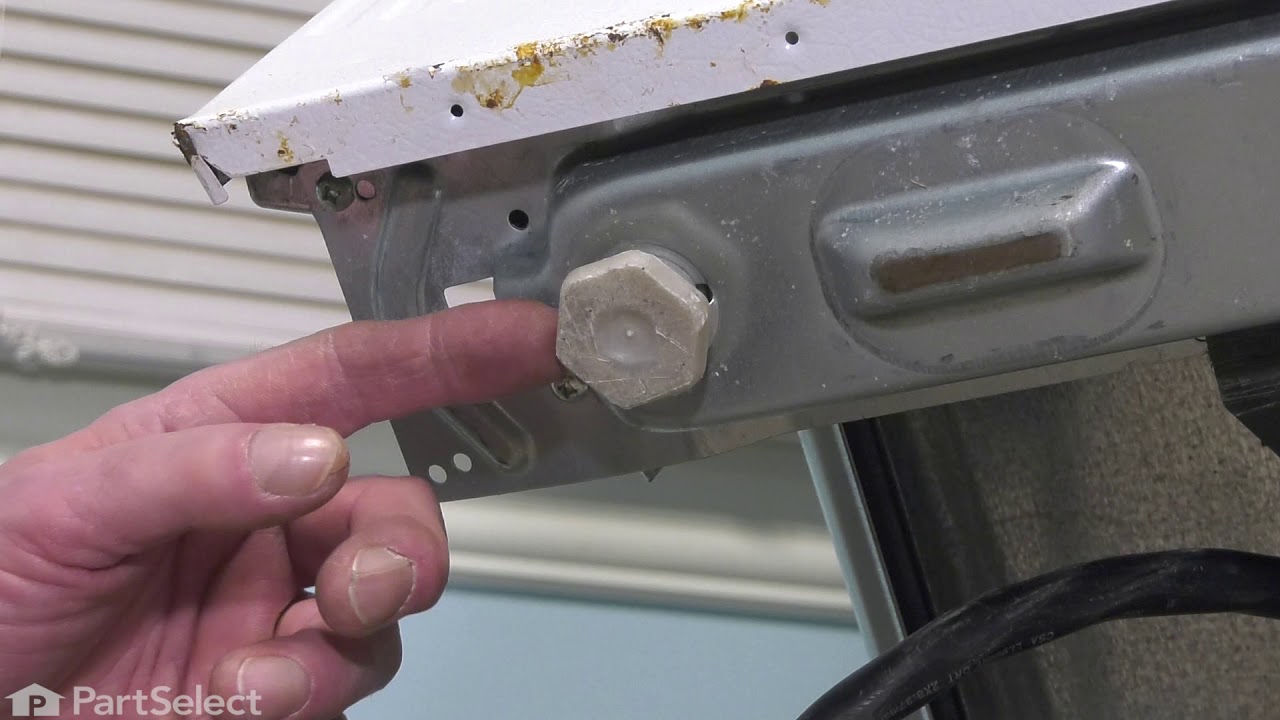
Range Rear Leveling Leg
PartSelect #: PS11748094
Manufacturer #: WPW10058460
Sold individually.
$14.63
In Stock
Order within the next 9 hrs and your part ships today!

Range Screw
PartSelect #: PS11747487
Manufacturer #: WP98008544
Sold individually.
$9.85
Special Order

Range Installation Screw
PartSelect #: PS11741612
Manufacturer #: WP3400882
This screw is sold individually.
$9.85
In Stock
Order within the next 9 hrs and your part ships today!

Screw
PartSelect #: PS11741605
Manufacturer #: WP3400832
This screw is sold individually.
$9.85
On Order

Screw
PartSelect #: PS11747488
Manufacturer #: WP98008545
Sold Individually.
$9.85
In Stock
Order within the next 9 hrs and your part ships today!

Spray Paint - 12 oz. - White
PartSelect #: PS347819
Manufacturer #: 350930
$35.95
In Stock
Order within the next 9 hrs and your part ships today!

Range Burner Cap (Black)
PartSelect #: PS11747514
Manufacturer #: WP98017461
Sold individually.
$61.55
Special Order

Appliance Screw
PartSelect #: PS11743002
Manufacturer #: WP59002061
Sold individually.
$9.85
In Stock
Order within the next 9 hrs and your part ships today!

Spray Paint - Superior Black
PartSelect #: PS334404
Manufacturer #: 285006
This is a 12oz can of black spray paint.
$53.85
In Stock
Order within the next 9 hrs and your part ships today!

Touch-Up Paint - Biscuit
PartSelect #: PS373131
Manufacturer #: 4392899
$24.95
In Stock
Order within the next 9 hrs and your part ships today!
Common Symptoms of the AGR4230BAB2
[Viewing 6 of 6]Gas igniter glows, but will not light
Fixed by
these parts
these parts


Show All
Will Not Start
Fixed by
these parts
these parts

Show All
Element will not heat
Fixed by
these parts
these parts
Show All
Little to no heat when baking
Fixed by
these parts
these parts
Show All
Oven not heating evenly
Fixed by
these parts
these parts

Show All
Door won’t close
Fixed by
these parts
these parts
Show All
Keep searches simple. Use keywords, e.g. "leaking", "pump", "broken" or "fit".
mice had made nests in the insulation wrap in the range
I numbered every part. ex: 1 L., for first part removed left side. I used a magic marker to circle the holes and wrote the number of screws used on the part, set the srews in a separete place, so that I new where these screws went to. The cleanup was pretty time consuming, but I was able to keep my stove, when every repairman I called to fix my stove told me I was better off buying a new stove. ($600.00 stove 2 years old)Please Note: The insulation blanket needed for the entire stove is two pieces, the sides and top are one part # and the bottom and back, are another part #. I did not know this. I just purchased the top and sides. I got lucky, the back and bottom were still in good shape. So I guess I should have read the description of the part more carefully to see what it covers, before I ordered it. It took two people two hours to do the work, it was really nice to have an extra set of eyes, to remember what direction pieces of metal from the stove went. I would do it all over in a heart beat instead of buying a new stove.
Parts Used:
-
Wendy from Red Hook, NY
-
Difficulty Level:Easy
-
Total Repair Time:More than 2 hours
-
Tools:Screw drivers
127 of 208 people
found this instruction helpful.
Was this instruction helpful to you?
Thank you for voting!
oven ignitor failed to light the oven
pulled out the stove and removed bottom drip plates to access the old ignitor. Removed 2 screws after unplugging the two wire ignitor. fished the the two wires thru back of stove and plugged them in where old wires were. put the 2 screws back into the new ignitor and tested before replacing drip plates. been cooking in the oven ever since, no problem.. Part was a perfect replacement.
Parts Used:

-
Steven from DOWNERS GROVE, IL
-
Difficulty Level:Really Easy
-
Total Repair Time:Less than 15 mins
-
Tools:Socket set
7 of 9 people
found this instruction helpful.
Was this instruction helpful to you?
Thank you for voting!
Two of four gas surface burners would not ignite.
Replace two igniters that were not working. Did not fix the problem. Swapped wire positions from Spark Module and noted that the problem followed the igniter positions. Replaced Spark Module. Problem solved. Procedure required disconnecting a/c power, removing four screws, removing igniter wires from old module and reconnecting them to new module. Reinstalled new Spark Module in range. Reconnected a/c power. Test successful. Total time: 20 minutes.
Parts Used:

-
Gervice from BROUSSARD, LA
-
Difficulty Level:Easy
-
Total Repair Time:15 - 30 mins
-
Tools:Screw drivers
3 of 4 people
found this instruction helpful.
Was this instruction helpful to you?
Thank you for voting!