










91141485890 Kenmore Microwave Oven Combo - Overview
Sections of the 91141485890
[Viewing 8 of 8]
Manuals & Care Guides for 91141485890
Click to downloadKeep searches simple, eg. "belt" or "pump".

Temperature Sensor Kit
PartSelect #: PS236490
Manufacturer #: WB23X5340
This kit includes the sensor as well as the connectors. NOTE This sensor is 2" long.
$124.11
Special Order

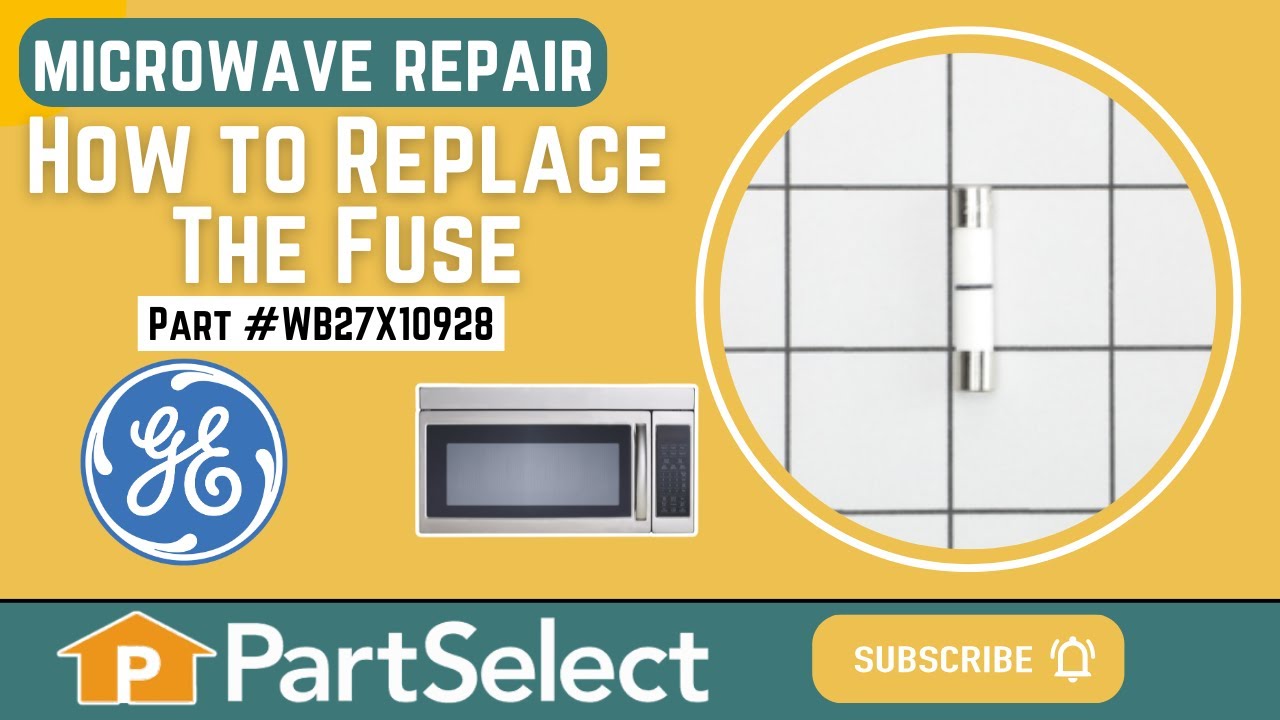
Microwave Fuse
PartSelect #: PS1481237
Manufacturer #: WB27X10928
This ceramic microwave fuse is just over an inch in length. It is white in the center, and metal on both ends. This is a 20-amp fuse, and is used to power your microwave. If the touch pad on the micro...
$25.31
Special Order

Oven Rack
PartSelect #: PS6447646
Manufacturer #: WB48T10095
This single chrome oven rack provides a reliable flat cooking surface for your cookware inside of the oven cavity. The oven rack is made of metal and measures approximately 24” wide by 17 1/2” deep. T...
$90.54
Special Order

Screw
PartSelect #: PS234226
Manufacturer #: WB1K5157
This screw is black in color and sold individually.
$13.95
Special Order

Oven Bulb Lens Cover - Glass
PartSelect #: PS237483
Manufacturer #: WB25T10002
This part is the replacement oven bulb lens cover. It is made of glass and is approximately 3 inches in diameter. The lens cover is rigid and protects the oven light bulb from being damaged. The main ...
$35.79
Special Order

Oven Light Housing
PartSelect #: PS230438
Manufacturer #: WB08T10002
Must buy bulb locally as per manufacturer.
$75.57
Special Order

Switch
PartSelect #: PS1765837
Manufacturer #: WB24T10147
This light switch is controlled by opening and closing the oven door
$39.71
Special Order

Broiler Pan - Large
PartSelect #: PS1517612
Manufacturer #: WB48X10056
Includes the pan and grate.
$68.19
Special Order

Door Hinge Kit - Right Side
PartSelect #: PS231473
Manufacturer #: WB14T10005
This hinge kit is used on the right hand side of the oven door.
No Longer Available

Door Hinge Kit - Left Side
PartSelect #: PS231474
Manufacturer #: WB14T10006
This hinge kit is used on the left hand side of the oven door.
$147.53
Special Order

Upper Cooling Fan Motor with Blade
PartSelect #: PS237580
Manufacturer #: WB26K5061
$220.05
Special Order

Screw
PartSelect #: PS271689
Manufacturer #: WH2X930
This screw is sold individually.
$13.95
Special Order
Common Symptoms of the 91141485890
[Viewing 9 of 9]No heat
Fixed by
these parts
these parts

Show All
Won’t turn on
Fixed by
these parts
these parts
Show All
Touchpad does not respond
Fixed by
these parts
these parts
Show All
Little to no heat when baking
Fixed by
these parts
these parts

Show All
Oven not heating evenly
Fixed by
these parts
these parts
Show All
Door won’t close
Fixed by
these parts
these parts


Show All
Oven is too hot
Fixed by
these parts
these parts
Show All
Element will not heat
Fixed by
these parts
these parts

Show All
Little to no heat when broiling
Fixed by
these parts
these parts

Show All
Keep searches simple. Use keywords, e.g. "leaking", "pump", "broken" or "fit".
Microwave completely stopped working
Turned out the issue was easily solved by replacing a single, inexpensive fuse.
First off, UNPLUG THE MICROWAVE.
The fuse is located under the plastic grill at the top of the microwave. It's held on by two screws. Once you've removed the screws and taken off the plastic grill, you go to the right side of the microwave and remove another screw that holds a small metal grill in place. Removing the small metal grill is probably the toughest part of this repair. You kind of have to rock it back and forth a bit to get it to release. Once that's off, you can get to the fuse. I removed the burnt out one with a pair of needle nose pliers. I also put a small piece of cardboard under the fuse when I did this so I didn't accidentally drop it into the innards of the microwave. I did the same thing when I replaced the new fuse. I then plugged the appliance back in and made sure it worked. Once that was confirmed, I replaced both grills.
First off, UNPLUG THE MICROWAVE.
The fuse is located under the plastic grill at the top of the microwave. It's held on by two screws. Once you've removed the screws and taken off the plastic grill, you go to the right side of the microwave and remove another screw that holds a small metal grill in place. Removing the small metal grill is probably the toughest part of this repair. You kind of have to rock it back and forth a bit to get it to release. Once that's off, you can get to the fuse. I removed the burnt out one with a pair of needle nose pliers. I also put a small piece of cardboard under the fuse when I did this so I didn't accidentally drop it into the innards of the microwave. I did the same thing when I replaced the new fuse. I then plugged the appliance back in and made sure it worked. Once that was confirmed, I replaced both grills.
Parts Used:
-
Kim from Cliffside Park, NJ
-
Difficulty Level:Really Easy
-
Total Repair Time:15 - 30 mins
-
Tools:Screw drivers
968 of 1266 people
found this instruction helpful.
Was this instruction helpful to you?
Thank you for voting!
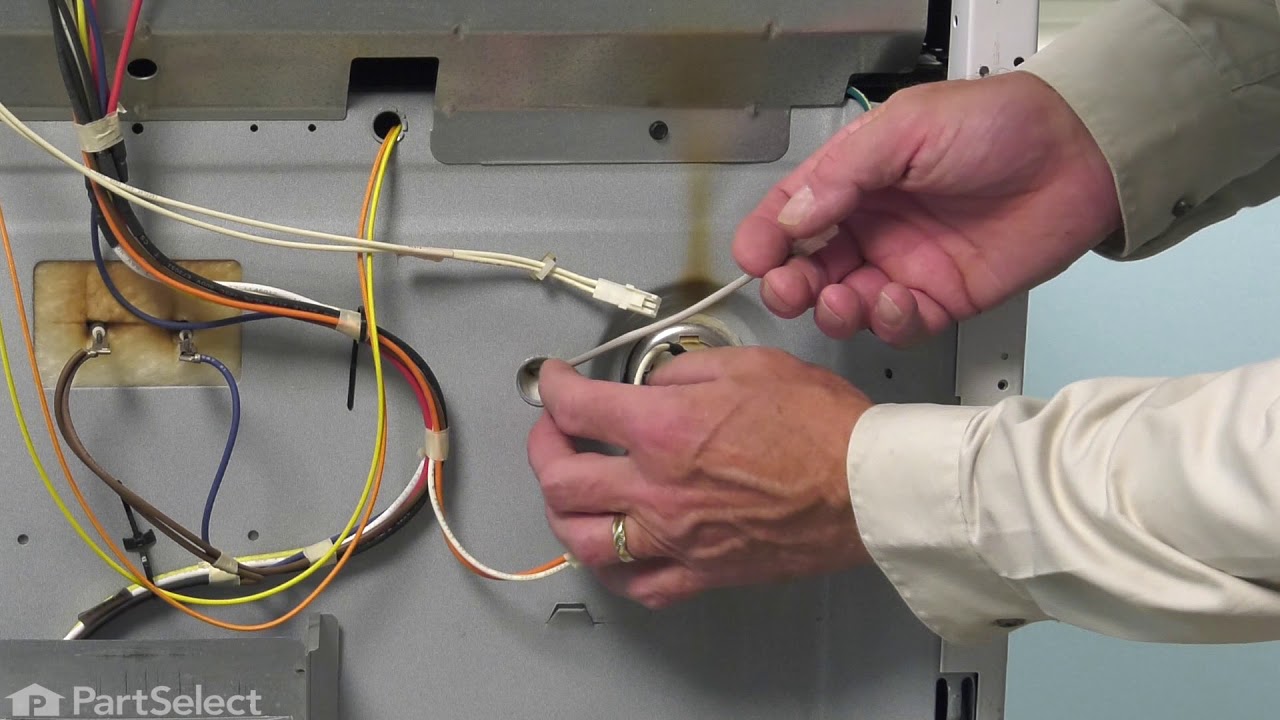
Oven sensor was not holding temperature range.
-
CHARLA from NEW BRAUNFELS, TX
-
Difficulty Level:Really Easy
-
Total Repair Time:Less than 15 mins
-
Tools:Nutdriver
48 of 81 people
found this instruction helpful.
Was this instruction helpful to you?
Thank you for voting!
Replace failed fan in control box
After turning off the breaker to cut power to the oven, I opened the oven door and, using the PartSelect exploded diagram as a guide, I removed 3 screws from the underside of the control panel - I was then able to slide the panel up and out to remove it. Leaving all of the control wires (especially the ribbon) connected to control panel, I saw the fan assembly mounted to the rear of the control box.
I noted the position of the two attached wires - black on top (or left), white on bottom (or right). Using a nutdriver with an extension bar, I unscrewed 4 screws holding the assembly in place. I removed the old fan and installed the new fan in its place. It was necessary to bend the new fan's legs out a bit to get them to line up with the holes. I reconnected the wires as mentioned above, then reinstalled the control panel.
I tested the oven by turning the breaker back on and letting the oven heat up to 450 degrees. The fan turned on as expected. After the oven cooled off, I reinstalled the 3 screws to secure the control panel.
I noted the position of the two attached wires - black on top (or left), white on bottom (or right). Using a nutdriver with an extension bar, I unscrewed 4 screws holding the assembly in place. I removed the old fan and installed the new fan in its place. It was necessary to bend the new fan's legs out a bit to get them to line up with the holes. I reconnected the wires as mentioned above, then reinstalled the control panel.
I tested the oven by turning the breaker back on and letting the oven heat up to 450 degrees. The fan turned on as expected. After the oven cooled off, I reinstalled the 3 screws to secure the control panel.
Parts Used:
-
David from Richardson, TX
-
Difficulty Level:Really Easy
-
Total Repair Time:Less than 15 mins
-
Tools:Nutdriver, Socket set
33 of 36 people
found this instruction helpful.
Was this instruction helpful to you?
Thank you for voting!