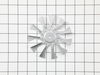
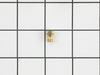
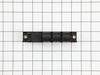
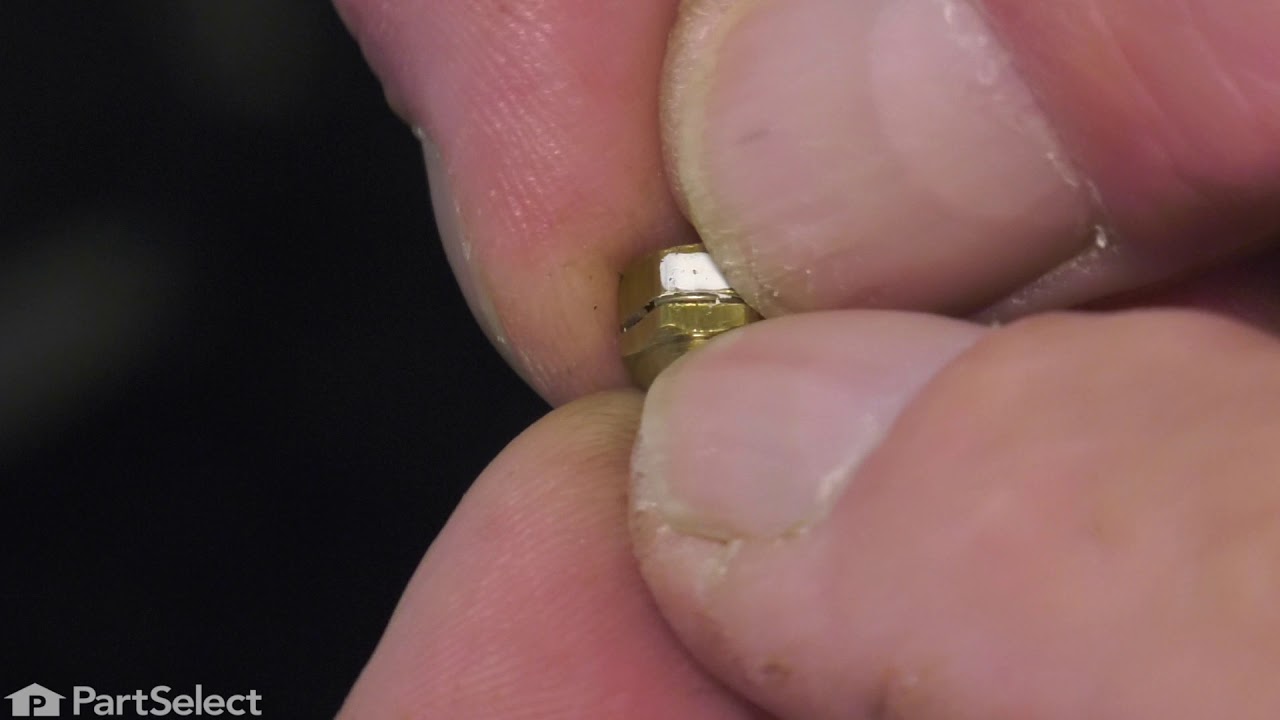
This orifice is a replacement fuel-delivery component designed to regulate gas flow to a burner. It plays a critical role in maintaining proper flame size and efficiency and is commonly replaced when ...
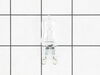
This replacement light bulb provides clear illumination to improve visibility during appliance operation. It is commonly replaced when the original bulb burns out, flickers, or no longer produces adequate light.
This sealed burner delivers consistent heat output for precise cooking performance. Its design helps contain spills and simplifies cleanup while ensuring efficient flame control. Installation is strai...
$65.26
In Stock
Questions And Answers for 7903264331C
Be the first to ask our experts a question about this model!
✖
Ask a Question
Ask our experts a question on this model and we'll respond as soon as we can.
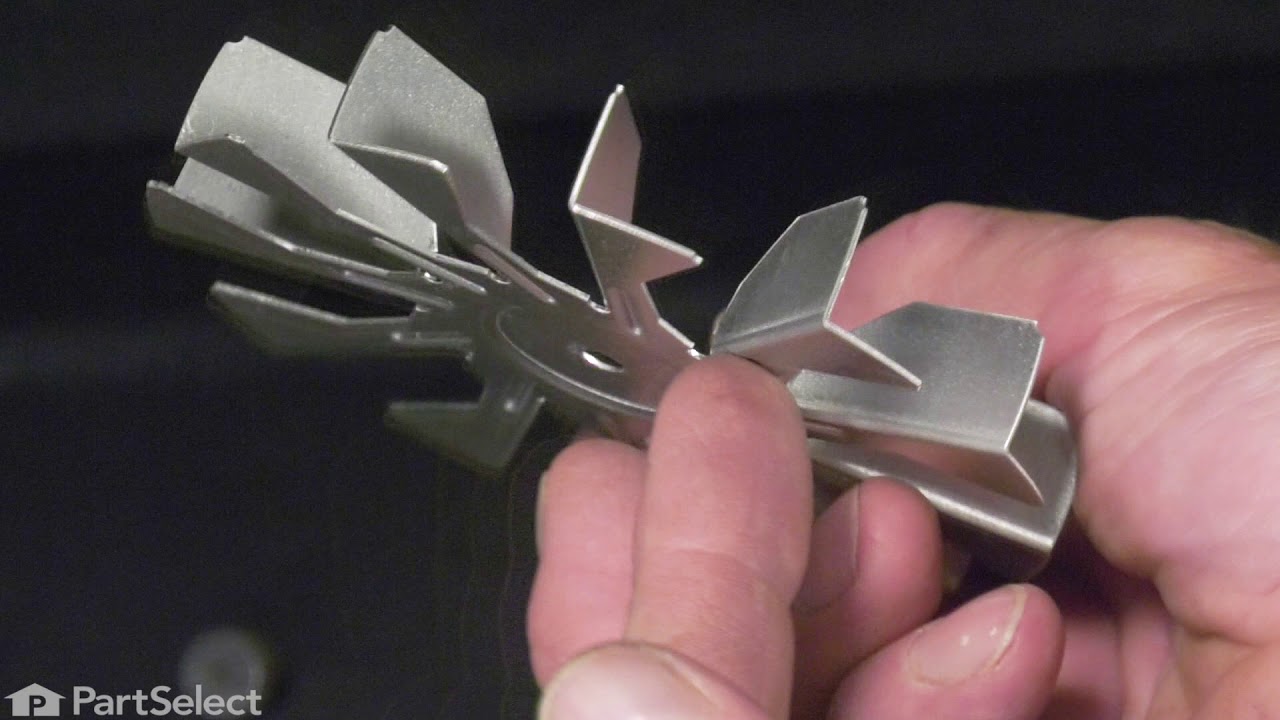
This was the first time replacing the fan. It is a lot easier to work in the oven compartment with the oven door removed, only two screws on the door and the hinges were released. I found that a couple of the screws were either rusted or stripped so I used a pair of pliers to remove the screws that were holding the diffuser in place. Once there was access to the fan I found that the fan was warped and that the blades were scraping against the back wall of the oven. The next challenge was to remove the retaining nut. I used a sheet metal screw to secure the warped fan to keep it from spinning. once I figured out that you have to turn the retaining nut to the right to loosen, it came off easily. 1/2" socket with extension. When I replace the fan I used two washers for spacers to make sure that the fan would not scrape the wall of the oven. Its been tested many times and the oven does not make that horrible sound anymore.
It went really well until test when the flame was reaching up into the oven itself, not good. Much research finally found an older repairman who informed me the nozzle that injects the gas into the oven burner had to be fully screwed down for LP Gas. The unit is pre-set for Natural Gas. Tightened it all the way down and everything works just fine. We live rurally so use Liquid Propane Gas, not Natural Gas.
First we replaced the wiring harness because a multi-meter said it wasn’t getting power. That was only partially true. The wiring harness was burned looking so we just kept it instead of sending it back. When the spark module got here the burner caps were removed and then the wires were noted where they went on the module and then the power and gas were turned off. The spark module was removed and then the stove was tested and we were back in business.