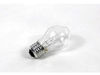
This 40-Watt light bulb is sold individually.
It is specially designed to withstand extreme temperatures, so this bulb is compatible with a variety of appliance types including refrigerators, ranges,...
This Genuine OEM GE Electrode Clip is a precision-engineered component designed for use across a wide range of gas ranges. Constructed from durable metal, the clip plays a critical role in securing th...
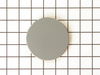
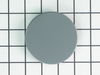
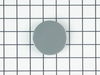
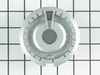
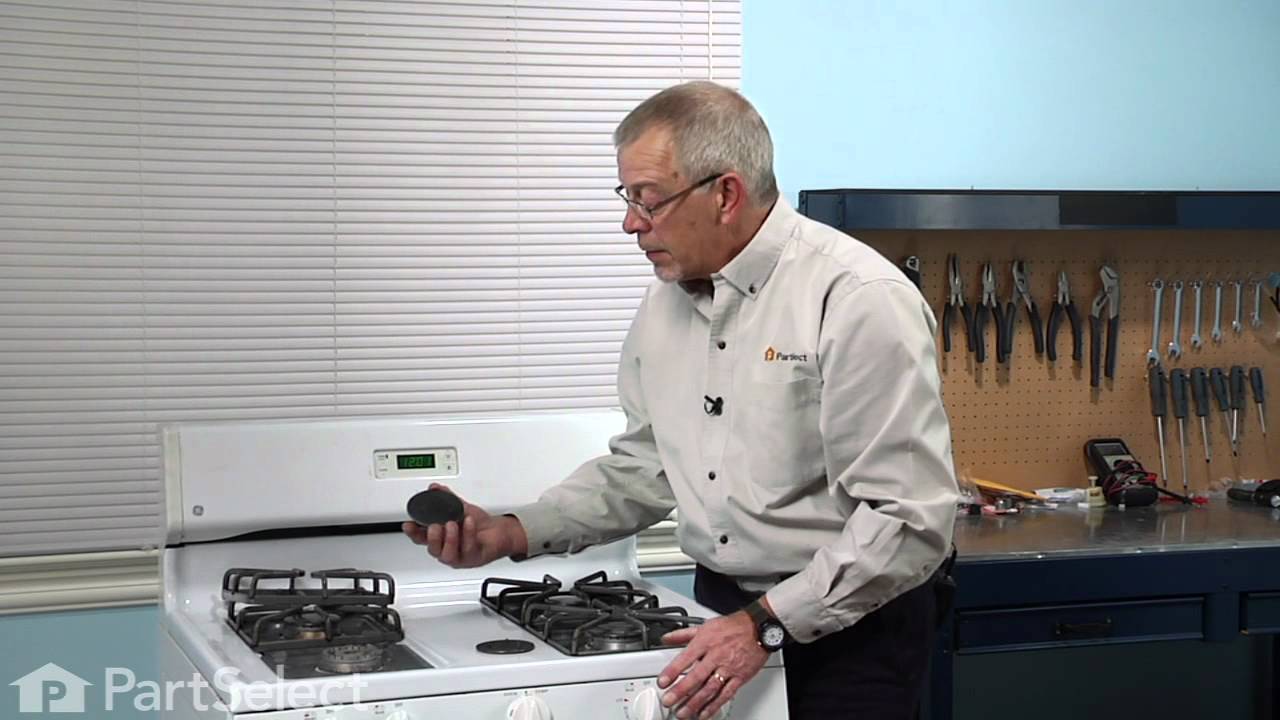
This part is the replacement burner cap for your gas range. It is made of gray plastic and is approximately 3 inches in diameter. It has 3 small tabs on the bottom, with one tab that is larger than th...
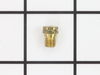
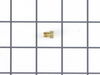
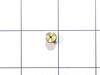
This orifice spud helps convert the right rear burner of compatible GE stoves from natural gas to liquid propane. It ensures proper gas flow and efficient burner performance. Installation should be do...
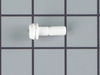
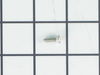
This is a replacement cooktop mounting screw, used to secure the burner. If you are missing that screw on your range, this is the part to replace it. This screw is about a half an inch in length and i...
The first step was to determine whether the problem was with the fan itself or the switch. I did this by opening the back cover and using a Volt meter to verify that the fan was not getting power. (I could have skipped this step.)
Next, I unplugged the range, closed up the back cover and lifted the range hood by removing two hex head screws that are just inside and on either side of the top of the opening in the range door. Propping the hood open, I removed the connector leading to the switch, then pushed the switch out the front. Inspection showed that the switch was damaged so I closed up the range and ordered the part from Part Select. Once the part arrived, it was a 15 minute job to unplug the range, lift the top, install the new switch, and close up the unit.
Caution. On starting to install the switch, I failed to unplug the range and my finger brushed one of the hot contacts leading to the switch. Thankfully, I was not injured. Do not repeat my mistake on this issue. Unplug the range even if you're only installing this simple switch.
While i was inserting the new lp,gas orriface to the right rear burner tube I dropped the oriface.Without looking i popped the top of the burner unit, like most older type stoves, and thats when i ran into my problem. I realized the burner tube assemblies are attached by 3 screws to the top cover.Not attached to the cabinet as the older models, Basically cracked both front aluminum tubes trying to retrieve the dropped oriface. so i had to replace the burner tube units, which involved removing 3 screws, and loosing up and removal of the nut to the main gas tube. extremely easy repair, next time i`ll try to remember look before i leap,total time to (r+r)burner tubes about 20 minutes.Parts select pulled me out of the fire on this one, great staff and service, with quick delivery.
Here's how I fixed my problem. I took the aluminum cover, the part that sits over the jet & the igniter, which simply comes off. It's the part that the igniter discharges to. I took this cover off & using a pencil I scratched the lead of the pencil into the area which is around the igniter. I made sure to cover the area with as much lead as I could get on it. You need to make sure that you do this to all four burners. The only care you need to take, is not to block the gas jet which is in the igniter recess. It's been about 3 weeks since I added this & the burners click loudly & have lit without a problem. It appears that the aluminum may develop a coating on it of some kind which is highly resistive.