

















31299-1 General Electric Refrigerator - Instructions
Keep searches simple. Use keywords, e.g. "leaking", "pump", "broken" or "fit".
No power to the fan and compressor
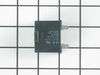
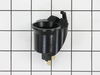
I have a fridge in my garage. I have found that a glass of ice water or a cold drink outside is very important to me. When I discovered melting ice dripping onto the garage floor I was very upset. I spun the fridge and found that the compressor and fan weren't starting. I got out my multi-meter and discovered that power was not making it to these components. I did some research and found the wiring diagram online. There really isn't too much going on with a fridge and the most likely candidate seemed to be the run capacitor. I ordered the part, replaced it in a few minutes and the fridge began working again.
Parts Used:
-
Christian from Kearneysville, WV
-
Difficulty Level:Really Easy
-
Total Repair Time:Less than 15 mins
-
Tools:Screw drivers
222 of 302 people
found this instruction helpful.
Was this instruction helpful to you?
Thank you for voting!
Fridge smelled like something electronic was burning
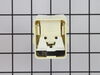
Removed the back cover of the fridge with it still pluged in. The next time the compressor tried to kick on, a small piece of black plastic next to the black tank caught fire, and then went out. I unpluged the fridge, unpluged the two wires feeding the black box. Then the box unpluged from the tank. I searched on the internet for the part using the model #. It ended up being a overload/ptc or relay. There was a smaller black box attached with I think is some sort of an overload. I unplugged the overload and it plugged right into the new relay I had overnighted. Although the new relay was white (not black) and the plug attachments were in different locations, it work great.
Parts Used:
-
BENJAMIN from LAKESIDE, CA
-
Difficulty Level:Easy
-
Total Repair Time:15 - 30 mins
-
Tools:Nutdriver
50 of 59 people
found this instruction helpful.
Was this instruction helpful to you?
Thank you for voting!
bad light socket
unplugged refrigerator. removed light bulb from old socket. unsnapped old light socket and pulled it out just enough to diconnect the electrical plug that plugs into the socket . discarded the old socket and plugged in new socket. snapped in new socket into refrigerator. i watched how to do this simple procedure on you tube and decided to do it myself. easy easy easy
Parts Used:
-
nancy from silsbee, TX
-
Difficulty Level:Really Easy
-
Total Repair Time:Less than 15 mins
45 of 56 people
found this instruction helpful.
Was this instruction helpful to you?
Thank you for voting!
Refrigerator wasn't cooling.
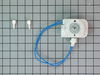
I checked the compressor and it was running. Next I removed the doors amd screws that held the divider strip. Next removed the bottom of the freezer to expose the evaporator fan. Removed the fan and checked it out with volt ohm meter. Discovered the fan motor was out. Ordered new one on line and received thenext delivery day. Insatlled in reverse of disassembly. When I plugged it in everything worked fine. Thanks for the quick delivery. You provided fine service.
Sincerely,
Joe Sutphen
Sincerely,
Joe Sutphen
Parts Used:
-
Joe from Hallsville, TX
-
Difficulty Level:A Bit Difficult
-
Total Repair Time:30 - 60 mins
-
Tools:Screw drivers, Wrench set
45 of 75 people
found this instruction helpful.
Was this instruction helpful to you?
Thank you for voting!
This refrigerator had pawer( lite was on) but nothing turning--motor or fan. Turned control temperature min-max - no cange.

-
HAE-YOUNG from Douglaston, NY
-
Difficulty Level:Easy
-
Total Repair Time:1- 2 hours
-
Tools:Screw drivers
49 of 112 people
found this instruction helpful.
Was this instruction helpful to you?
Thank you for voting!
Interior light needed replaced
Unplugged the appliance for safety. Removed two 1/4" screws that held the assembly in place. Carefully removed the wire guard that retains the glass shield. Unscrewed old light bulb and replaced with new part. Reversed the steps after cleaning glass cover.
Parts Used:

-
Leo from TWIN FALLS, ID
-
Difficulty Level:Really Easy
-
Total Repair Time:Less than 15 mins
-
Tools:Nutdriver
22 of 43 people
found this instruction helpful.
Was this instruction helpful to you?
Thank you for voting!
Light in the refrigerator went out
After I bought what I thought I needed for the repair. I asked a friend to come over and look at it. He changed the
the light socket and put the same light bulb in and it works great. I am returning the light switch but decided to keep the light bulb.
Getting on the internet was so easy. This was really very simple. Thank you for making what I thought would be a big ordeal into something very simple.
Paulette Johnson
the light socket and put the same light bulb in and it works great. I am returning the light switch but decided to keep the light bulb.
Getting on the internet was so easy. This was really very simple. Thank you for making what I thought would be a big ordeal into something very simple.
Paulette Johnson
Parts Used:
-
Paulette B. from Santa Ana, CA
-
Difficulty Level:Really Easy
-
Total Repair Time:15 - 30 mins
13 of 18 people
found this instruction helpful.
Was this instruction helpful to you?
Thank you for voting!
Fridge keeps cycling on and off and a clicking sound happens every time compressor cycles.
I opened the back panel of the fridge and exposed the compressor. Unplugged existing run capacitor and installed new one with the addition of the sleeve that is stated must be installed around the run capacitor.
Everything I read and on this web site says that based on these symptoms, that the problem is the run capacitor. I searched and search for a part called a start relay which plugs in to the compressor. This run capacitor plugs in to this other part which I take as the start relay.
Installing this run capacitor did not solve the problem. The fridge compressor keeps cycling on and off. Freezer doesn't keep as cold as it should.
Everything I read and on this web site says that based on these symptoms, that the problem is the run capacitor. I searched and search for a part called a start relay which plugs in to the compressor. This run capacitor plugs in to this other part which I take as the start relay.
Installing this run capacitor did not solve the problem. The fridge compressor keeps cycling on and off. Freezer doesn't keep as cold as it should.
Parts Used:
-
Kirk E from GRASS VALLEY, CA
-
Difficulty Level:Easy
-
Total Repair Time:Less than 15 mins
-
Tools:Screw drivers
8 of 9 people
found this instruction helpful.
Was this instruction helpful to you?
Thank you for voting!
Twice I ordered the oven light bulb & each time the light bulb was defected
I had to call for a appointment for repair with GE Appliance because I thought then it . .was something electrical. The technician came out & checked everything out, turned out it was not electrical, The technician went out to his truck got a light bulb from his truck, put it in & it worked. It cost me $121.00 for trip charge from GE appliance for a light bulb that worked, your light bulbs were defective twice. Very disappointed with your products, cost me alot of money for a good light bulb thru GE appliance
Parts Used:
-
Barbara from BELLEVUE, WA
-
Difficulty Level:Very Difficult
-
Total Repair Time:Less than 15 mins
15 of 32 people
found this instruction helpful.
Was this instruction helpful to you?
Thank you for voting!
Frige evaporator fan became noisy then quit working & frige compartment became warm
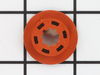
Came home one evening and found the refer compartment evaporator fan making a noisy/grinding noise. While waiting for the part to arrive the motor finally quit working and the frige lost its ability to cool, but the freezer still worked fine. This is the fan that is inside the frige between the refer & freezer compartments - NOT the fan motor that is located in the bottom/rear next to the compressor. This grinding noise sounded like it was coming from inside the frige and could be easily heard under the vegetable trays and above the freezer compartment. To access this motor you need to go after it from inside the bottom of the frige compartment - there's NO need to remove the refer door. Pull the vegetable trays and remove the small phillips head screw located down in the lower air flow groove toward the front of the refer. Next, pry up & out the front white trim piece that runs the width of the frige. Once that piece is removed you can lift & slide back the whole lower frige trim/tray. Now lift out the large foam block compartment and you'll have complete access to the evaporator fan motor and the evap coils. Simply pull the fan motor assy out, still attached to the triangular bracket and disconnect the electrical pigtail. Next, pull the fan blade straight off the front hub, split & disassemble the motor bracket, & replace both fan motor grommets. Reverse the steps to reassemble the fan motor to the bracket and reinstall back in the bottom of the frige and plug in the electrical pigtail - the fan should (quietly) fire off instantly and begin the cooilng process. Reinstall the foam block, lower frige tray, front trim piece, reattach the phillips screw, close the door, and give it some time - it took our frige overnight to completely cool down. This is not a tough job, I spent more time figuring out how to access the motor then the actuall replacement. Hope these steps help to speed up your repair! And remeber Red Sox 4 Life!
Parts Used:
-
Scott from Bonney Lake, WA
-
Difficulty Level:Easy
-
Total Repair Time:15 - 30 mins
-
Tools:Pliers, Screw drivers
6 of 6 people
found this instruction helpful.
Was this instruction helpful to you?
Thank you for voting!
Freezer not getting cold enough to freeze ice cream
I took the advice off of your website about the only thing that will fix
the problem is change the run capacitor. I felt assured that I would
have a working refrigerator freezer after making this change. I was
pretty disheartened when it didn`t solve anything. I was not going to
take the new part back out after the small challenge of putting it in.
The next day I found out how to test the old capacitor and it was still
good. I will just have to eat the $49. I did learn not to take advice from
a website even if it seems like a sure thing
the problem is change the run capacitor. I felt assured that I would
have a working refrigerator freezer after making this change. I was
pretty disheartened when it didn`t solve anything. I was not going to
take the new part back out after the small challenge of putting it in.
The next day I found out how to test the old capacitor and it was still
good. I will just have to eat the $49. I did learn not to take advice from
a website even if it seems like a sure thing
Parts Used:
-
Gary from ROSETO, PA
-
Difficulty Level:A Bit Difficult
-
Total Repair Time:30 - 60 mins
-
Tools:Screw drivers
7 of 9 people
found this instruction helpful.
Was this instruction helpful to you?
Thank you for voting!
Refrigerator to warm
Instructions say run capacitor is by motor, but on this frige its in the refrigerator compartment. The capacitors looks different, one square and the other long
Parts Used:
-
Lloyd from PITTSBURG, CA
-
Difficulty Level:Easy
-
Total Repair Time:15 - 30 mins
-
Tools:Screw drivers
5 of 5 people
found this instruction helpful.
Was this instruction helpful to you?
Thank you for voting!
Noisy refrigerator
I visually inspected the compressor and narrowed down the source of the noise to the freezer area. Then I removed the doors and the screws securing the divider panel. Next I removed the bottom panel of the freezer, the styrofoam insullation panel and the evaporator motor. The motor is mounted between two grommets. I replaced the grommet facing the fan blades. The aluminum reflector below the styrofoam insulation panel had also come loose. I reattached it and reassembled the refrigerator in reverse order. The noise is gone!
Parts Used:
-
Eric from NEW YORK, NY
-
Difficulty Level:A Bit Difficult
-
Total Repair Time:1- 2 hours
-
Tools:Nutdriver, Screw drivers
6 of 8 people
found this instruction helpful.
Was this instruction helpful to you?
Thank you for voting!
Smelled burning plastic
I removed the cardboard cover from the back of the fridge. I was not sure where to begin then the compressor kicked on and a flame came from the bottom of relay that mounts to compressor, so i unplugged fridge and let cool .I removed part that burned and looked on this site to identify what it is. The part has been updated to a new design which is now a white plastic. I also replaced run capacitor .Put the new parts on and it was back to working .The sleeve that comes with the new run capacitor didn't fit under the lock wire clip so i left off.
Parts Used:
-
JOHN from PERKINSTON, MS
-
Difficulty Level:Really Easy
-
Total Repair Time:Less than 15 mins
-
Tools:Screw drivers
4 of 5 people
found this instruction helpful.
Was this instruction helpful to you?
Thank you for voting!
Loud motor noise emanating from inside the refrigerator (not the compressor or external fan).
My GE GDS18SBPBLSS is now 21 years old (they do not make them like they used to) so I took extra time to not break any of the brittle old plastics. For this replacement you will only need a Phillips head screwdriver.
Parts list:
2 x PS284959 Fan Motor Grommet
1 x PS2359960 Evaporator Fan Motor Assembly
• The first thing you want to do is to unplug the unit refrigerator to prevent any shorts or the fan from starting while you are handling it.
• The evaporator motor is in the refrigerator section, so leave the freezer door shut to preserve the temperature.
• Open the refrigerator door as much as possible and take out the two vegetable/fruit drawers. If your door is right next to a wall and you cannot open it more than 90 degrees, take the drawer furthest from the door hinge first. Then take out the remaining drawer and gently shimmy the center plastic rail guide to allow you to take it out diagonally.
• The front lip of the floor of the refrigerator is clipped in, so pull the plastic trim forward to remove it. If it does not move, lift the center of the plastic trim piece in front of the screw a bit to convince it loose, but it prying it upwards is not advisable because the ends are under the side walls.
• Once the trim piece is removed, remove the Phillips head screw.
• Pull the plastic floor of the refrigerator towards the front and then up to remove it.
• A large foam block secured down with tape needs to be removed next. Once the tape is loosened, lift the foam out carefully with vapor barrier attached under it. Watch for the two foam pieces at the back wall on each side. If they fall off and drop, find them in the freezer later.
• The fan assembly and bracket will be in view, and my suggestion is to take a photo. This way, you know how it should look when it comes time to reassemble everything.
• To the left rear is a small foam block that is taped down. Removing that will reveal the connector clip for the fan motor’s power line that you squeeze the sides to disconnect. Pull the motor wire out of the foam guide.
• Lift the motor bracket assembly out – it is not attached to anything and sits on the foam block.
• Carefully pull the fan blade off by pulling it straight along the motor shaft.
• Undo the rear motor bracket by unscrewing the two Phillips head screws – the right rear motor bracket screw holds the wire guide in. When undone, take the guide off the wire.
• Once the rear bracket is removed, discard the two motor grommets and the motor.
• Put in the new motor with the new motor grommets into the bracket and screw in the left rear screw.
• Clip on the wire guide on to the new motor wiring and then finish mounting the motor with the right rear screw with the wire guide in place.
• Clean off the fan blade thoroughly before pressing into the shaft. Once on, spin the fan to see if it rotates smoothly and easily. Note: Avoid pressing the fan blade too far down as you do not want it to contact the grommet.
• Place the assembly back into the foam block – use the photo from before as a guide if needed.
• Route the motor cable through the foam groove and clip it into the power connector.
• Plug the refrigerator back in to see if the fan spins and to see that there are no issues. If there are no problems, unplug the unit again and continue the reassembly.
• Place the small foam block back into the rear left to cover the connector area.
• While making sure the vapor barrier is positioned correctly above the coils, put the foam block back into place.
• Clean the plastic floor of the refrigerator and then slide it into place, making sure the back and side are flush. Use the screw hole to align the floor properly and then screw the Phillips head screw back in.
• Clean the front trim piece and then slide it back into place.
• Put the drawers back in.
• Plug the refrigerator back in and leave the door closed for a while so the unit cools the internal temperature back down.
Parts list:
2 x PS284959 Fan Motor Grommet
1 x PS2359960 Evaporator Fan Motor Assembly
• The first thing you want to do is to unplug the unit refrigerator to prevent any shorts or the fan from starting while you are handling it.
• The evaporator motor is in the refrigerator section, so leave the freezer door shut to preserve the temperature.
• Open the refrigerator door as much as possible and take out the two vegetable/fruit drawers. If your door is right next to a wall and you cannot open it more than 90 degrees, take the drawer furthest from the door hinge first. Then take out the remaining drawer and gently shimmy the center plastic rail guide to allow you to take it out diagonally.
• The front lip of the floor of the refrigerator is clipped in, so pull the plastic trim forward to remove it. If it does not move, lift the center of the plastic trim piece in front of the screw a bit to convince it loose, but it prying it upwards is not advisable because the ends are under the side walls.
• Once the trim piece is removed, remove the Phillips head screw.
• Pull the plastic floor of the refrigerator towards the front and then up to remove it.
• A large foam block secured down with tape needs to be removed next. Once the tape is loosened, lift the foam out carefully with vapor barrier attached under it. Watch for the two foam pieces at the back wall on each side. If they fall off and drop, find them in the freezer later.
• The fan assembly and bracket will be in view, and my suggestion is to take a photo. This way, you know how it should look when it comes time to reassemble everything.
• To the left rear is a small foam block that is taped down. Removing that will reveal the connector clip for the fan motor’s power line that you squeeze the sides to disconnect. Pull the motor wire out of the foam guide.
• Lift the motor bracket assembly out – it is not attached to anything and sits on the foam block.
• Carefully pull the fan blade off by pulling it straight along the motor shaft.
• Undo the rear motor bracket by unscrewing the two Phillips head screws – the right rear motor bracket screw holds the wire guide in. When undone, take the guide off the wire.
• Once the rear bracket is removed, discard the two motor grommets and the motor.
• Put in the new motor with the new motor grommets into the bracket and screw in the left rear screw.
• Clip on the wire guide on to the new motor wiring and then finish mounting the motor with the right rear screw with the wire guide in place.
• Clean off the fan blade thoroughly before pressing into the shaft. Once on, spin the fan to see if it rotates smoothly and easily. Note: Avoid pressing the fan blade too far down as you do not want it to contact the grommet.
• Place the assembly back into the foam block – use the photo from before as a guide if needed.
• Route the motor cable through the foam groove and clip it into the power connector.
• Plug the refrigerator back in to see if the fan spins and to see that there are no issues. If there are no problems, unplug the unit again and continue the reassembly.
• Place the small foam block back into the rear left to cover the connector area.
• While making sure the vapor barrier is positioned correctly above the coils, put the foam block back into place.
• Clean the plastic floor of the refrigerator and then slide it into place, making sure the back and side are flush. Use the screw hole to align the floor properly and then screw the Phillips head screw back in.
• Clean the front trim piece and then slide it back into place.
• Put the drawers back in.
• Plug the refrigerator back in and leave the door closed for a while so the unit cools the internal temperature back down.
Parts Used:
-
Chong from NEW YORK, NY
-
Difficulty Level:Easy
-
Total Repair Time:Less than 15 mins
-
Tools:Screw drivers
3 of 3 people
found this instruction helpful.
Was this instruction helpful to you?
Thank you for voting!