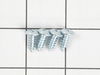
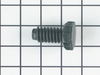
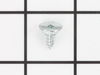
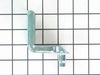
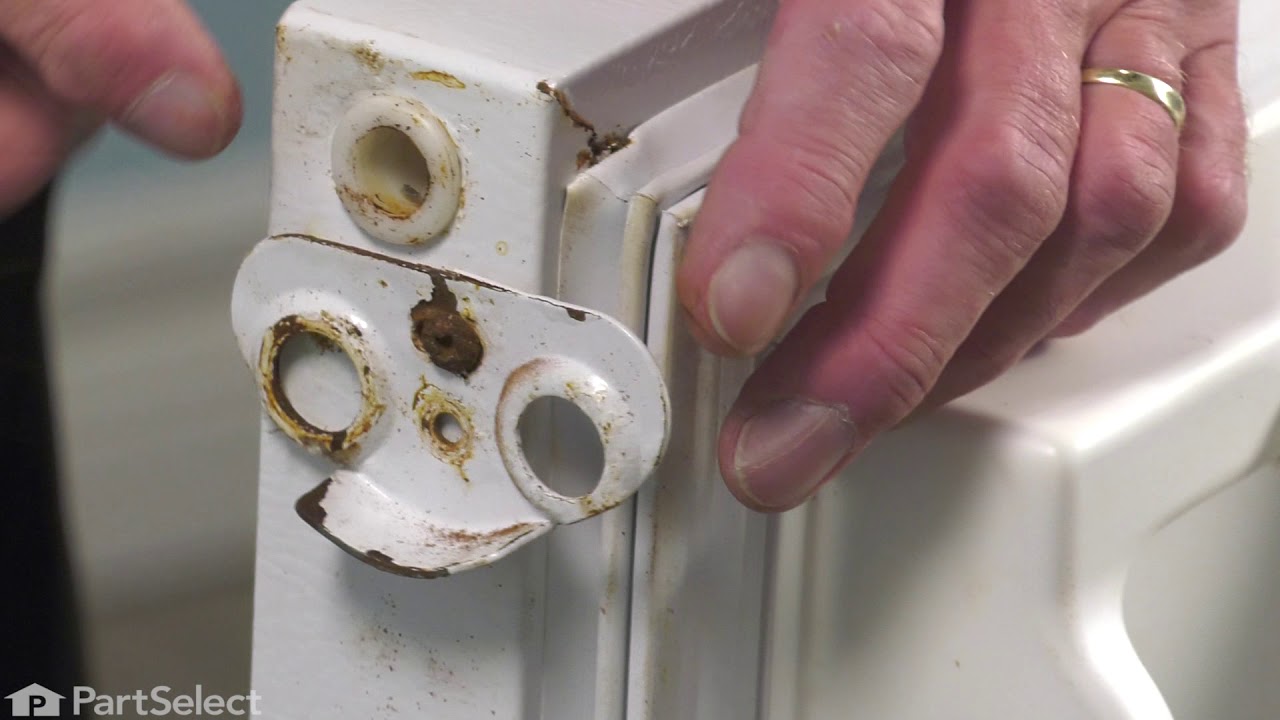
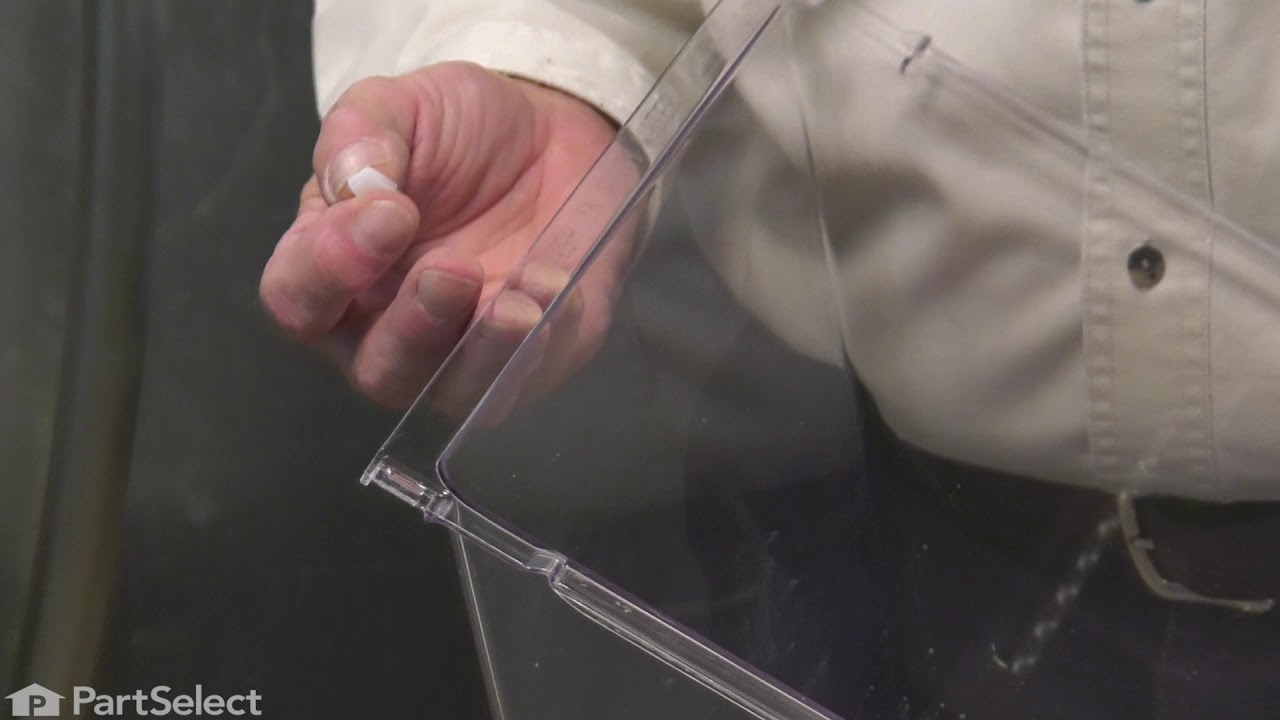
This screw is used in refrigerators. The screw can be loosened or tightened with a Phillips-head or square-head screwdriver. This screw is used to secure the refrigerator handle to the refrigerator do...
Tired of your fridge not staying as cold as it should be? It might be time to consider replacing your gasket-door ref. 21 in white from Frigidaire. This authentic part acts like a superhero, fighting ...
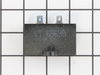
The run capacitor is attached to the compressor. This part is 120 volts and 15 mfd. The run capacitor helps the compressor kick on and off while maintaining a constant temperature to keep things froze...
This 8-cube ice maker is used to create ice for your refrigerator. The ice maker receives water from the water inlet valve and will freeze until ice cubes are formed. Once the water has been frozen t...
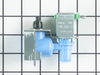
When energized, the water inlet valve will release water from the supply line into the ice mold and the water dispenser in the refrigerator. If the ice maker is not making or dispensing ice, not disp...
This is a replacement hinge bearing for your refrigerator. The hinge bearing is found on the door hinge, and reduces friction when the door opens and closes. If the bearing is damaged, you may not be ...
This small, Phillips-head screw works with your refrigerator/freezer. It screws in to the freezer door and connects to the door handle. This part is made of stainless steel and is sold individually. T...
We know how crucial it is for your refrigerator to function properly and a significant part of that is the Lower Hinge Bracket. This is not just any bracket; it's a genuine OEM part from the acclaimed...
No instructions included, so it took a little bit of staring at the new part to figure out how it works. The barbed ridge on the gasket fits into a slot on the door. The flat face of the gasket has an internal magnetic strip that helps keep the seal tight against the steel face of the refrigerator. Installation requires no tools. This is the basic process: 1) Unbox the new gasket and get it ready to install so you don't have to leave the fridge open too long. 2) Open the door and grab the old gasket at one of the corners and pull away. This will unseat the barbed ridge I mentioned above. Work your way around the door until the whole gasket is free. 3) Set aside the old gasket 4) Grab a moistened paper towel and wipe down the (now exposed) sealing surface of the fridge and door. 5) Align the new gasket in the door and start pushing the barb into place. I found that the new gasket seemed slightly oversize compared to the original, so it took a little tweaking. What worked for me was to get all the corners seated, then work my way around the door making sure the gasket is fully seated. 6) Once you have the new gasket installed, close the door to make sure everything fits OK. 7) Open the door again and run your finger along the inside edge of the gasket seal. What you want to do is fold the edge of the gasket down so it lays flat against the outer wall of the door. 8) Shut the door and look from the sides and top to try to spot any gaps. You should be able to poke the gasket from the side and get the magnet strips to click into place. It seems like after a day or so the gasket 'relaxed' and I didn't have to worry about this anymore. 9) Dispose of the old gasket. I was able to pull the gasket into four pieces (separating at the corners) so it would fit in my city trash can...
Unplugged faulty ice maker, removed two screws holding it to the refrigerator and took it out. Reversed the operation with the new ice maker and after a few minutes presto, we have ice.
I had put in a new ice maker and it still had the problem, (I needed the Ice maker anyway) I installed the vale and while I was at it I put a five year filter on the water line that went from the value to the Ice maker, it took less than one hours, the ice is making like it did when it was new, I could not be more please at theis time. Thanks for your Interest. God bless.